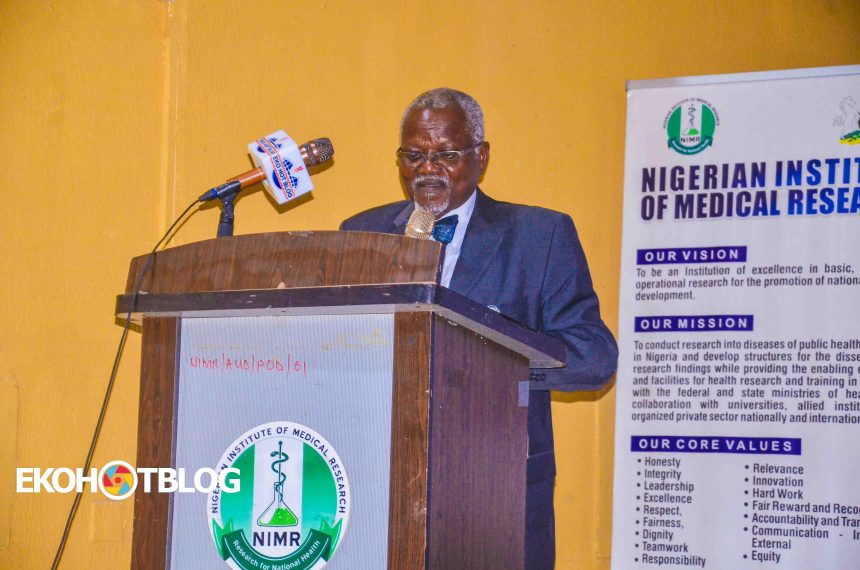
- DG described the Foundation as a strategic partner created to close long-standing gaps in research funding
- He noted that the nine-month engagement has already improved media access to NIMR experts
- He urged the media, policymakers, and development partners to engage actively with the Foundation
The Director General of the Nigerian Institute of Medical Research (NIMR), Prof. John Oladapo Obafunwa, has reaffirmed the Institute’s commitment to strengthening Nigeria’s health research capacity as he formally highlighted the purpose, structure, and impact of the newly established NIMR Foundation (NF) during the November 2025 NIMR Monthly Media Chat in Lagos.
Eko Hot Blog reports that the DG described the Foundation as a strategic partner created to close long-standing gaps in research funding, training, and infrastructure, while accelerating NIMR’s mandate as Nigeria’s apex medical research institution.
EDITOR’S PICK
- Dollar to Naira Rate Today, 26 November 2025 – Official/ Black Market
- Is CBN Halting New Intervention Programmes a Positive Development?
- BREAKING: 24 Abducted Kebbi Schoolgirls Rescued (Photo)
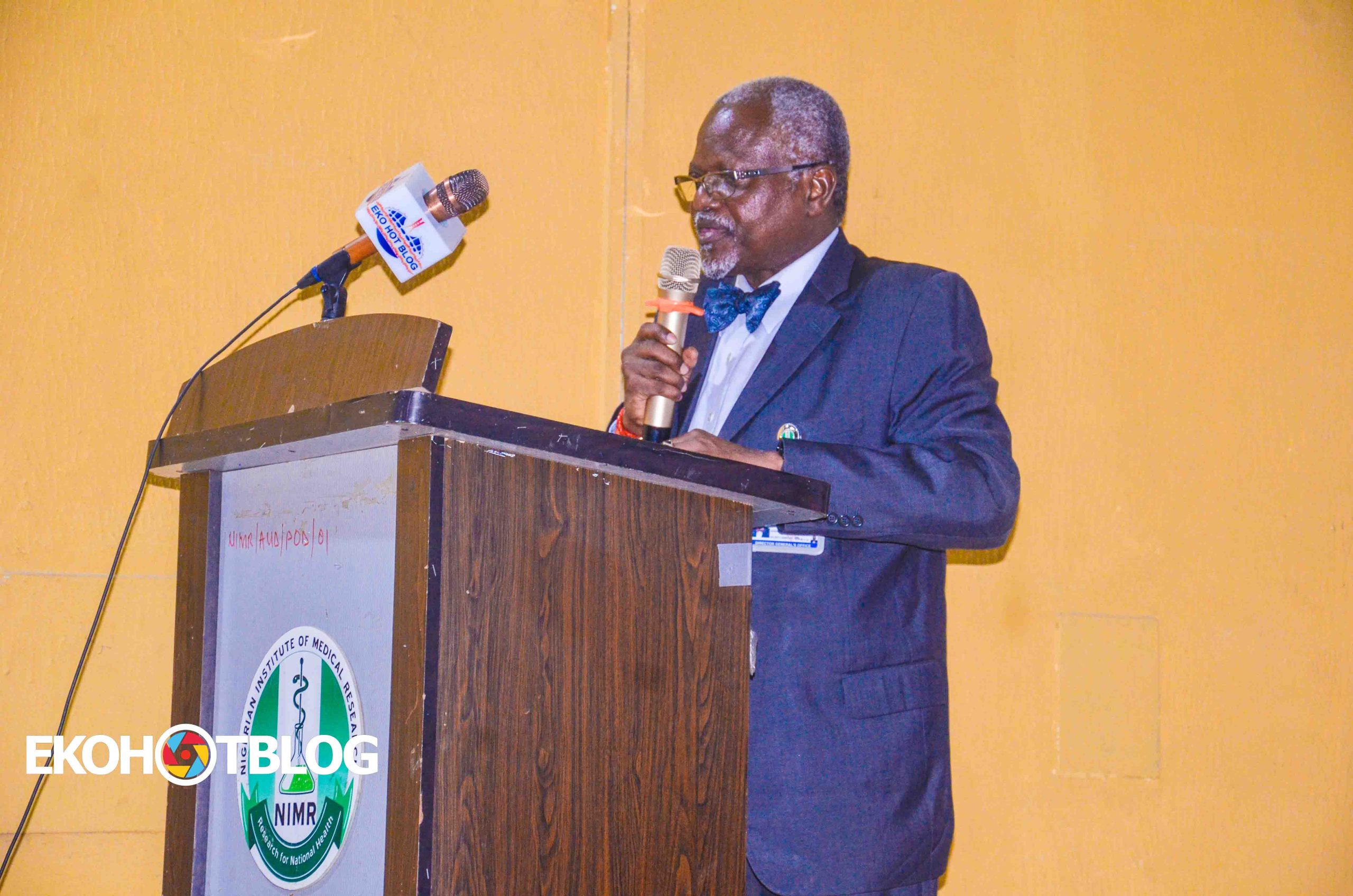
According to Prof. Obafunwa, Nigeria still faces serious constraints in human resources for research, despite infrastructural improvements.
He said the NIMR Foundation was designed as a non-profit, public-benefit entity that will mobilise external funding, attract global expertise, and support activities such as PhD programmes, Fellowships, postdoctoral training, sabbaticals, and commissioned research.
The Foundation, he noted, will operate with an independent governance structure that includes NIMR leadership, academics, private-sector figures, and international partners.
The DG explained that NF will drive five core functions: resource mobilisation, translation and commercialisation of NIMR innovations, talent development, public sector capacity-strengthening, and other approved initiatives aimed at improving population health outcomes.
“NF expands our funding horizon and enables us to pursue high-impact work at a scale not currently possible within government systems,” he said.
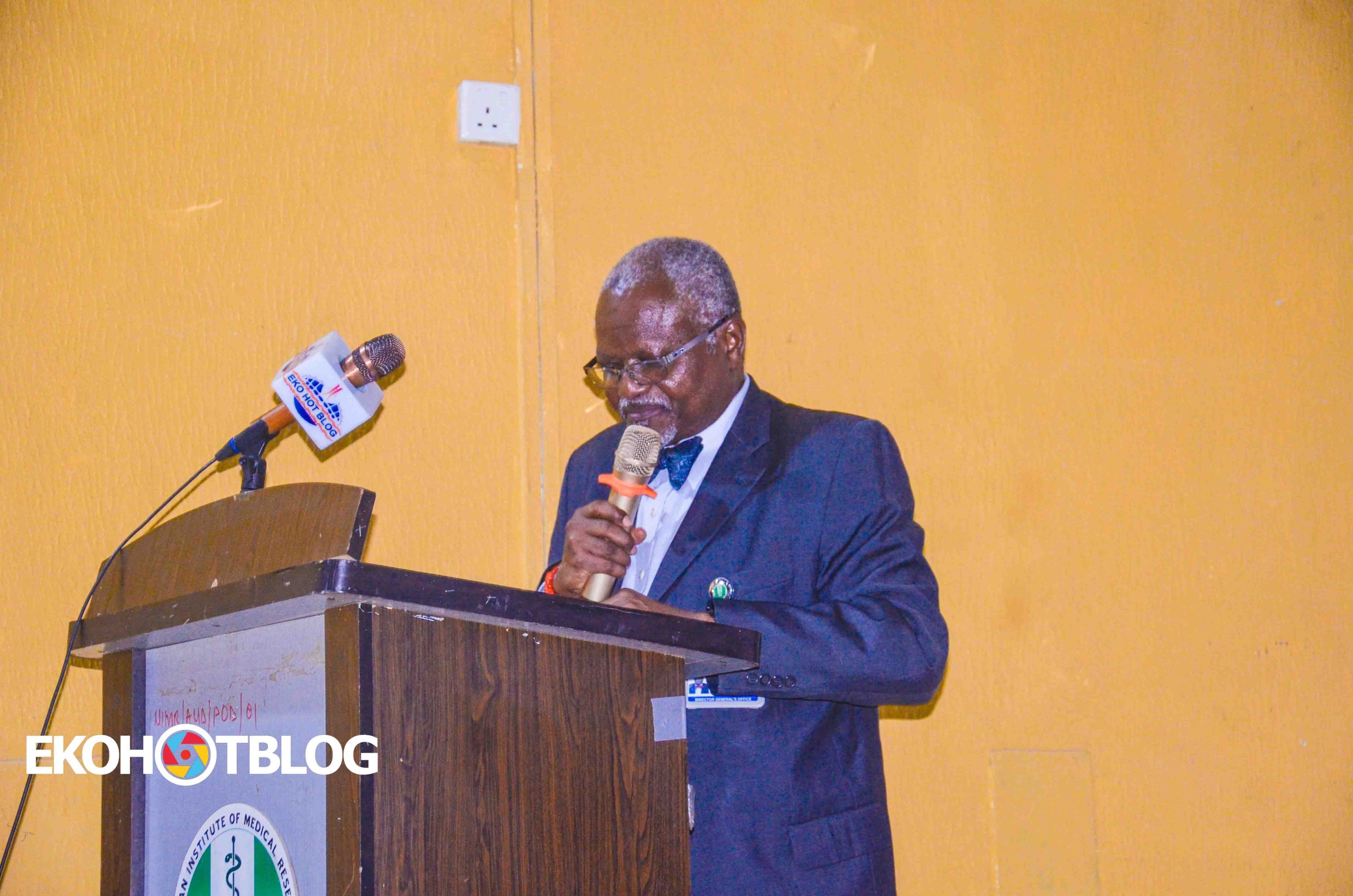
Speaking on the purpose of the monthly media chats, Prof. Obafunwa said the briefings were introduced to deepen transparency, strengthen collaboration with journalists, and make NIMR’s research easier for the public to understand.
He noted that the nine-month engagement has already improved media access to NIMR experts, enabled reporting training opportunities, and boosted public science literacy.
He emphasised the success of a recent health-reporting workshop organised with the Health Writers Association of Nigeria, which trained journalists on interpreting scientific data, avoiding sensationalism, and responsibly reporting biomedical information.
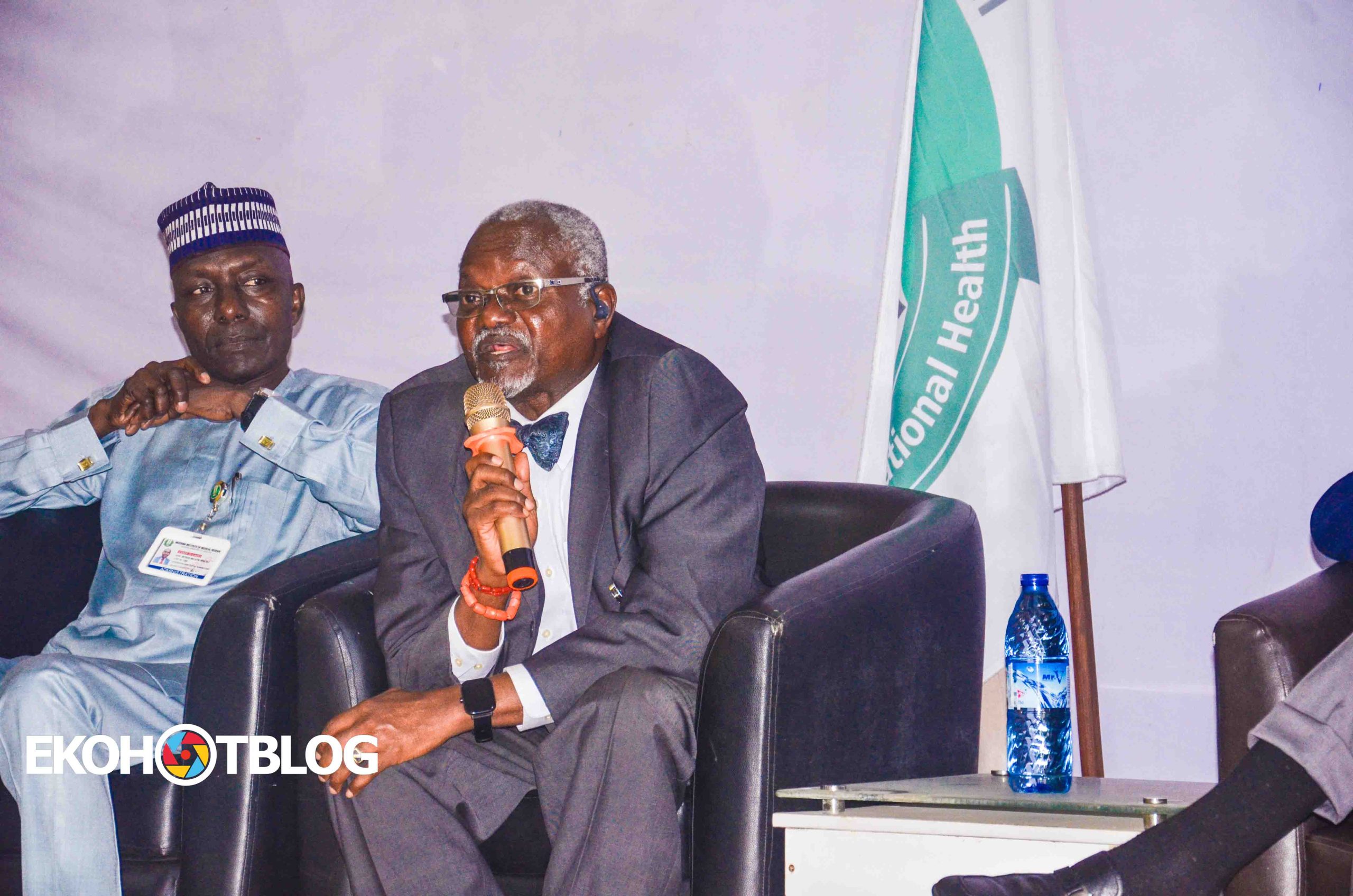
The DG also acknowledged the presence of the Chairman of the NIMR Foundation Board of Trustees, Mr Babatunde Raji Fashola, SAN, alongside other eminent board members, including former NIMR Directors General, Professors Oni Idigbe and Babatunde Salako; Professor Oye Gureje; and veteran broadcaster Chief Moji Makanjuola.
Prof. Obafunwa urged the media, policymakers, and development partners to engage actively with the Foundation, request proposals, and provide feedback that will shape its future impact.
He said NF’s establishment marks a “strategic turning point” for Nigeria’s health research ecosystem and will significantly enhance NIMR’s ability to deliver cutting-edge science that improves public health nationwide.
FURTHER READING