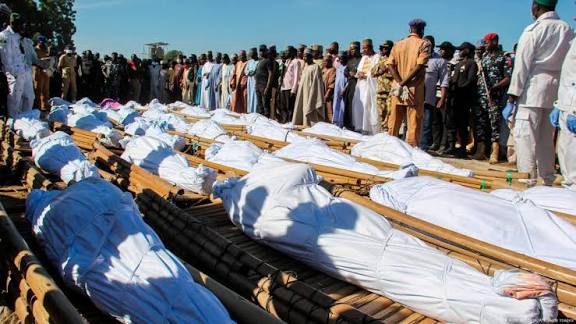
Nigeria’s battle with insecurity did not begin today. It is the result of long-standing structural failures, weak intelligence systems, and years of insider sabotage that have repeatedly undermined national security.
To understand where we are, we must look at where we are coming from.
EDITOR’S PICK
- Lagos Announces Road Diversion For Capital City Race
- Ndume Seeks Urgent Action On Missing Brigadier General
- US Charlotte Immigration Raids Spark Outrage
During the Jonathan administration, Nigeria witnessed some of the darkest moments in its security history. The 2014 Chibok schoolgirls’ abduction happened despite several early warnings from local communities and security informants.
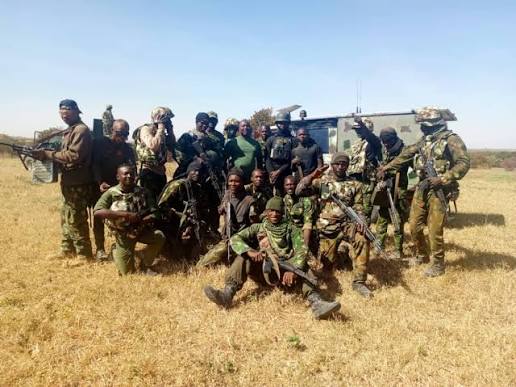
The Nigeria Security Tracker reported more than 34,000 deaths from terrorism and violent conflict between 2011 and 2015. Church massacres in Borno and Adamawa, mass kidnappings, and bold Boko Haram attacks exposed deep gaps in intelligence coordination.
Many of these attacks succeeded because the military often received fragmented intelligence, late signals, or inaccurate field reports. In some instances, insider leaks allowed insurgents to anticipate troop movements, leading to avoidable losses of soldiers and civilians.
These failures created a dangerous perception that attacks were primarily targeting specific religious groups. But a deeper political reading shows a different reality.
Terrorists often exploit religious narratives to fuel fear, but their real goal is to destabilize the state, weaken public trust, trigger ethnic suspicion, and increase political tensions. This tactic played out repeatedly during Jonathan’s era and continues even now.
The Tinubu administration inherited a weakened security structure, an overstretched military, and communities dealing with years of trauma. However, the government has taken steps to rebuild capacity and modernize the security system.
Last year, the administration invested in new fighter jets, attack helicopters, surveillance drones, armored vehicles, and precision-guided equipment to boost military capability. Troop welfare has been upgraded, salaries reviewed, and better accommodation and benefits introduced to improve morale.
These material improvements show a shift from the underfunding that crippled previous years. The government has also begun tightening intelligence processes, adopting better data analysis tools, enhancing inter-agency cooperation, and strengthening international intelligence partnerships.
These are critical steps, especially because insiders leaking operational details remain one of the greatest threats to security operations. Cases in the North West and North East reveal clear patterns where attackers appear to know soldier deployment plans, an unmistakable sign of internal compromise.
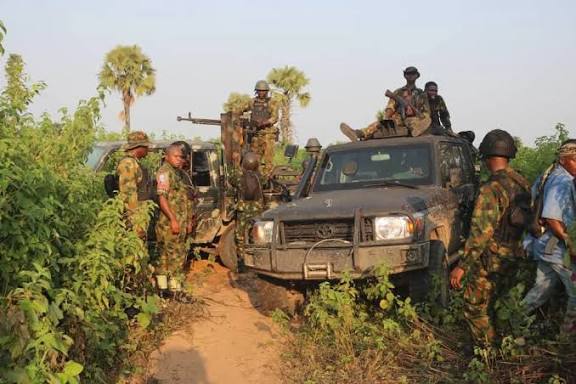
But intelligence failures are not only a thing of the past. Even today, lapses still occur. Local communities sometimes report suspicious movements, but follow-up can be slow. At other times, intelligence gathered in the field does not reach decision-makers quickly enough. This combination of insider betrayal and bureaucratic delay continues to cost lives.
What is important to note is that Nigeria’s insecurity has never been purely religious. It is shaped by politics, power tussles, sabotage, criminal opportunism, and extremist ideology.
The pattern of insecurity, particularly during electoral cycles, suggests deliberate exploitation of the country’s vulnerabilities. Kidnappings, attacks on churches, and mass shootings are often used to create panic, erode confidence in government, and manipulate public perception.
Analysts argue that the framing of these attacks as targeting Christians or Muslims exclusively is largely a political tactic aimed at dividing communities and inflaming tensions for electoral or political gain.
Terrorist networks understand the fault lines of the country and deliberately strike in ways that provoke emotional reactions, divide communities, and ignite political tension. That is why blaming one religion or ethnic group has always played into the hands of the perpetrators.
For Nigeria to win this war, reforms must go beyond equipment. The country must fix intelligence flow, dismantle insider networks, invest in local policing, and create community-based early-warning systems. The Tinubu administration has taken notable steps, but the depth of the challenge demands persistence and a long-term strategy.
What is clear is this: insecurity in Nigeria is not random. It is strategic, political, and deeply embedded in years of institutional decay. Understanding this truth is the first step toward a more honest national conversation and a more effective response.
FURTHER READING
- Jess Martinez Breaks Record For World’s Largest Afro
- Lekki LCDA holds 2026 budget stakeholders’ forum, prioritizes inclusive development
- Ibeju-Lekki launches free electronic birth registration across PHC centres
Click here to watch video of the week