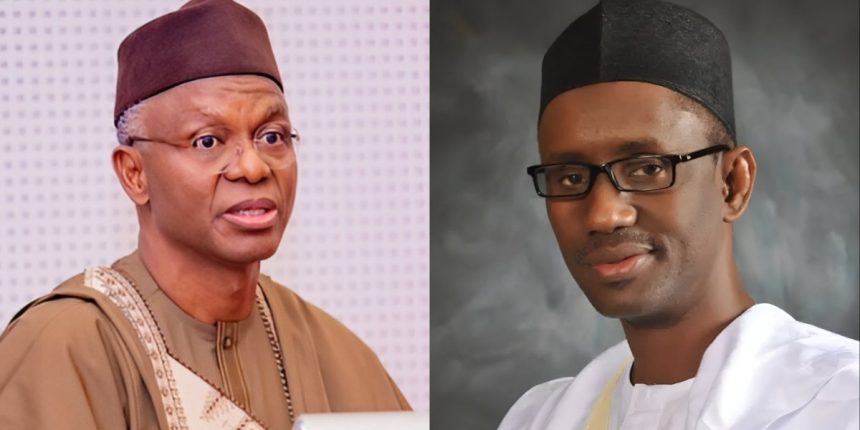
Former Kaduna State Governor Nasir El-Rufai may have inadvertently compounded his legal troubles with a stunning admission on national television that he was privy to an intercepted phone conversation of the National Security Adviser (NSA), Nuhu Ribadu.
Whilst seeking to defend himself after an attempted arrest at Abuja airport, the former governor’s claim has raised fresh questions about his potential involvement in what amounts to a serious criminal offence.
EDITOR’S PICKS
The controversy began when security operatives allegedly attempted to detain El-Rufai at the Nnamdi Azikiwe International Airport on Thursday, briefly restraining him and confiscating his passport before he was escorted out.
In his defence, the former governor alleged that Ribadu personally ordered his arrest. However, it was the manner in which he claimed to have obtained this information that has sparked concern across security and legal circles.
A Damaging Admission?
During a Friday interview with Arise Television, El-Rufai stated: “The NSA’s call was tapped. They do that to our calls too, and we heard him saying they should arrest me.”
When the interviewer, Charles Aniagolu, pointed out that such an action would be illegal, the former governor acknowledged the illegality but provided no further clarification on who conducted the surveillance or how he gained access to the recording.
The admission has been seized upon by the presidency.
Temitope Ajayi, senior special assistant to President Bola Tinubu on media and publicity, suggested that Mr El-Rufai should be required to “produce the person who illegally tapped the NSA’s phone,” adding that failure to do so would likely result in accusations of persecution by a “tyrant” president.
El-rufai admitted on a national television that someone tapped the phone of the NSA for him to listen to his conversation. When Charles Aniagolu, the interviewer, interjected that that was an illegal action, El-Rufai agreed to the illegality. By the time he is picked up to… pic.twitter.com/7q6aATw4DA
— Temitope Ajayi (@TheTope_Ajayi) February 13, 2026
Under Nigerian law, unauthorised interception of telecommunications is a criminal offence punishable under the Cybercrimes Act of 2015. The interception of communications by a national security official carries particularly grave implications, potentially constituting acts of espionage or threats to national security.
Legal experts note that even possessing or disseminating illegally obtained communications could attract prosecution.
“What El Rufai admitted to on TV is very dangerous for him and that of other opposition leaders. He incriminated himself and others in coalition with him. If he doesn’t know it yet, that admission gave the govt a legitimate opportunity to arrest him and everyone suspected of such act,” Ridwan Oke, a lawyer, wrote on X.
What El Rufai admitted to on TV is very dangerous for him and that of other opposition leaders. He incriminated himself and others in coalition with him. If he doesn’t know it yet, that admission gave the govt a legitimate opportunity to arrest him and everyone suspected of such…
— Ridwan Oke (@RidwanuLlah) February 13, 2026
Escalating Political Tensions
The incident occurs against a backdrop of rising political tension between El-Rufai and elements within the ruling All Progressives Congress (APC), his former party.
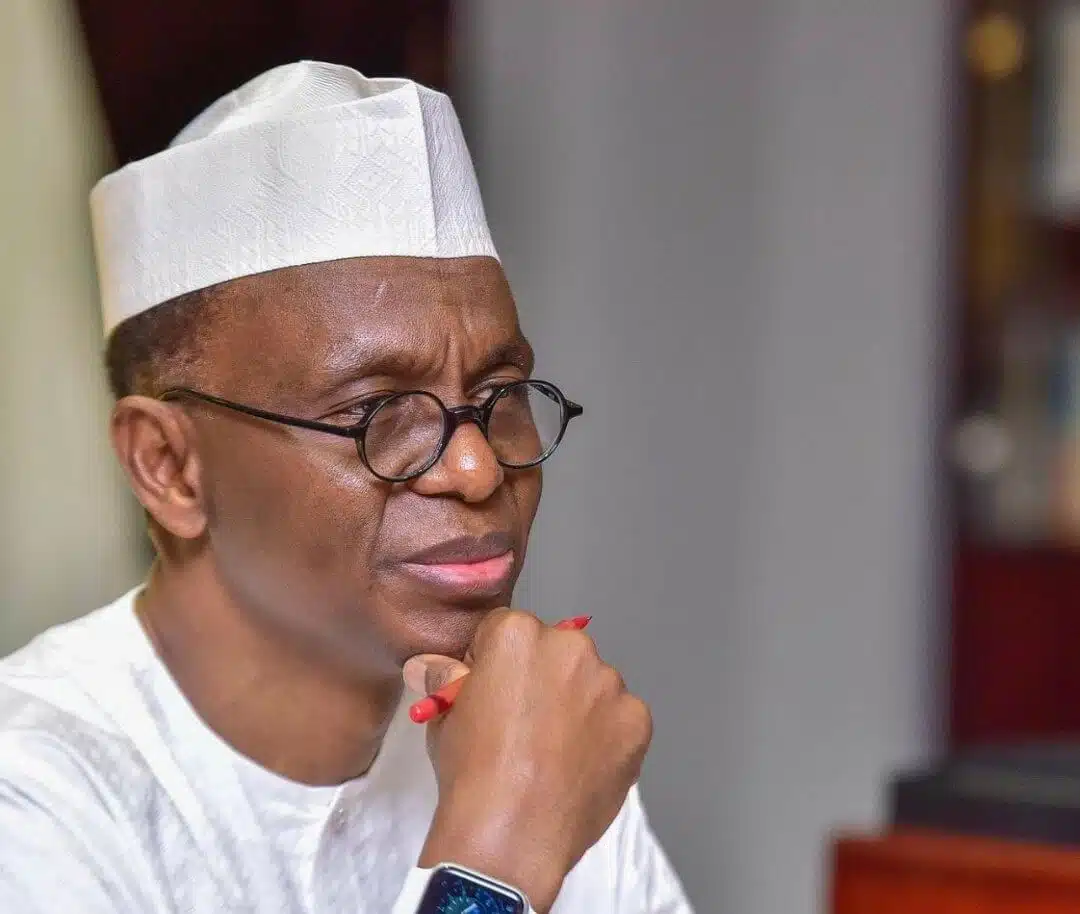
The former governor has been an increasingly vocal critic of the Tinubu administration, and has also faced scrutiny from the Independent Corrupt Practices and Other Related Offences Commission (ICPC) regarding his tenure in Kaduna State.
In his television interview, El-Rufai made further allegations, claiming that Governor Uba Sani of Kaduna State, the NSA, and the ICPC chairman had “conspired” to abduct him.
But he provided no evidence for these claims, which remain unverified and have not been officially responded to by the parties named.
What happens next?
What began as an airport confrontation may have evolved into something far more serious for El-Rufai. Whilst the ICPC investigation into his time as governor remains ongoing, the former governor now faces potential scrutiny over his apparent knowledge of, and possible involvement in, illegal surveillance activities targeting a serving national security official.
The admission could trigger investigations by multiple agencies, including the Department of State Services (DSS) and the Office of the National Security Adviser, both of which have jurisdiction over matters of illegal surveillance and threats to national security. The former governor has not provided evidence to support his claims about the NSA, nor has he clarified his role in the alleged phone tapping operation.
As it stands, Mr El-Rufai appears to have traded one set of problems for another, potentially more severe.
FURTHER READING
In seeking to deflect attention from the airport incident, he may have inadvertently exposed himself to far graver legal jeopardy. Whether this was a tactical miscalculation or a deliberate gambit remains to be seen, but the consequences of his televised admission are likely to reverberate for some time to come.
Philip Ibitoye is a Special Correspondent with EKO HOT BLOG. Click here to find daily analysis and critical insight on trending issues in Lagos and other parts of Nigeria.
Click to watch the video of the week below: