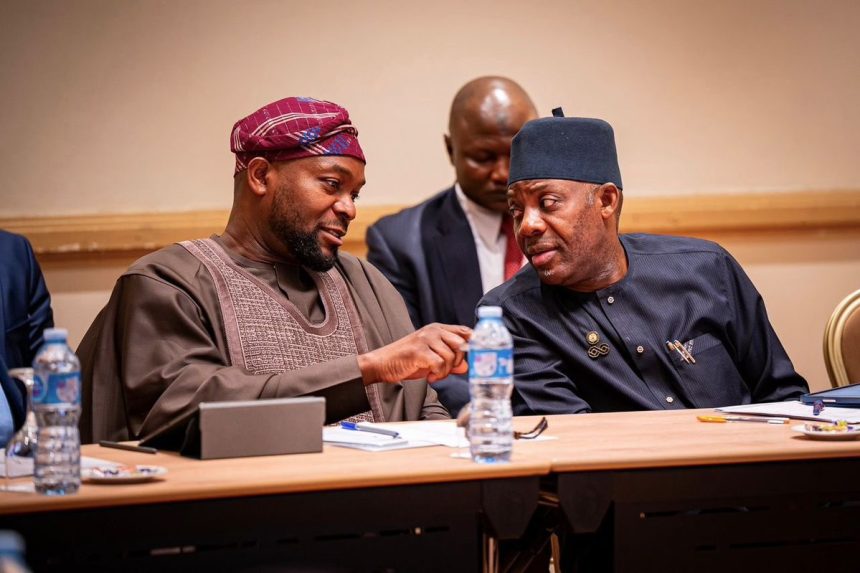
- Dr. Tunji Alausa, Bosun Tijani Lead Plan to Bring Internet to Nigerian Schools
- Officials said the meeting focused on developing a coordinated framework that will extend connectivity to institutions across all levels of the education system
- Two technical working groups were also established to guide the rollout of the programme
The Federal Government has begun coordinated efforts to ensure schools across Nigeria are connected to reliable internet services, a move aimed at accelerating digital learning and preparing students for technology-driven education.
Eko Hot Blog reports that the initiative follows a directive from President Bola Ahmed Tinubu to expand digital infrastructure nationwide and ensure critical sectors such as education benefit from ongoing broadband investments.
EDITOR’S PICK
- LASG Arrests 107 Beggars, Suspected Miscreants in Enforcement Raid
- Residents Block Highway With Corpse Over Insecurity
- Tinubu Transmits 2026 FCT Budget Proposal to House of Rep
To drive the plan, the Minister of Education, Maruf Tunji Alausa, and the Minister of Communications, Innovation and Digital Economy, Bosun Tijani, held a high-level meeting in Abuja with key stakeholders to align efforts between both ministries in connecting schools to the internet.
Officials said the meeting focused on developing a coordinated framework that will extend connectivity to institutions across all levels of the education system, including primary schools, secondary schools, universities, polytechnics and colleges of education.
According to Alausa, the new push builds on earlier broadband connectivity efforts implemented through the Nigerian Research and Education Network, which previously connected several tertiary institutions through a World Bank-supported project.
He explained that while the initiative recorded significant progress during its initial phase, momentum slowed after the project’s funding cycle ended. The current plan, he said, aims to revive and expand the programme so that connectivity reaches institutions across the entire education sector.
The government is currently implementing large-scale digital infrastructure projects that include the deployment of about 90,000 kilometres of fibre-optic broadband cables, the installation of approximately 3,700 telecommunications towers in rural and underserved communities, and the expansion of satellite connectivity across the country.
Alausa said the goal is to ensure that as broadband infrastructure is rolled out nationwide, schools are deliberately integrated into the network.
“We are planning proactively so that as broadband cables are laid and towers deployed across the country, they are strategically connected to our schools from primary and junior secondary schools to senior secondary schools and all tertiary institutions,” he said.
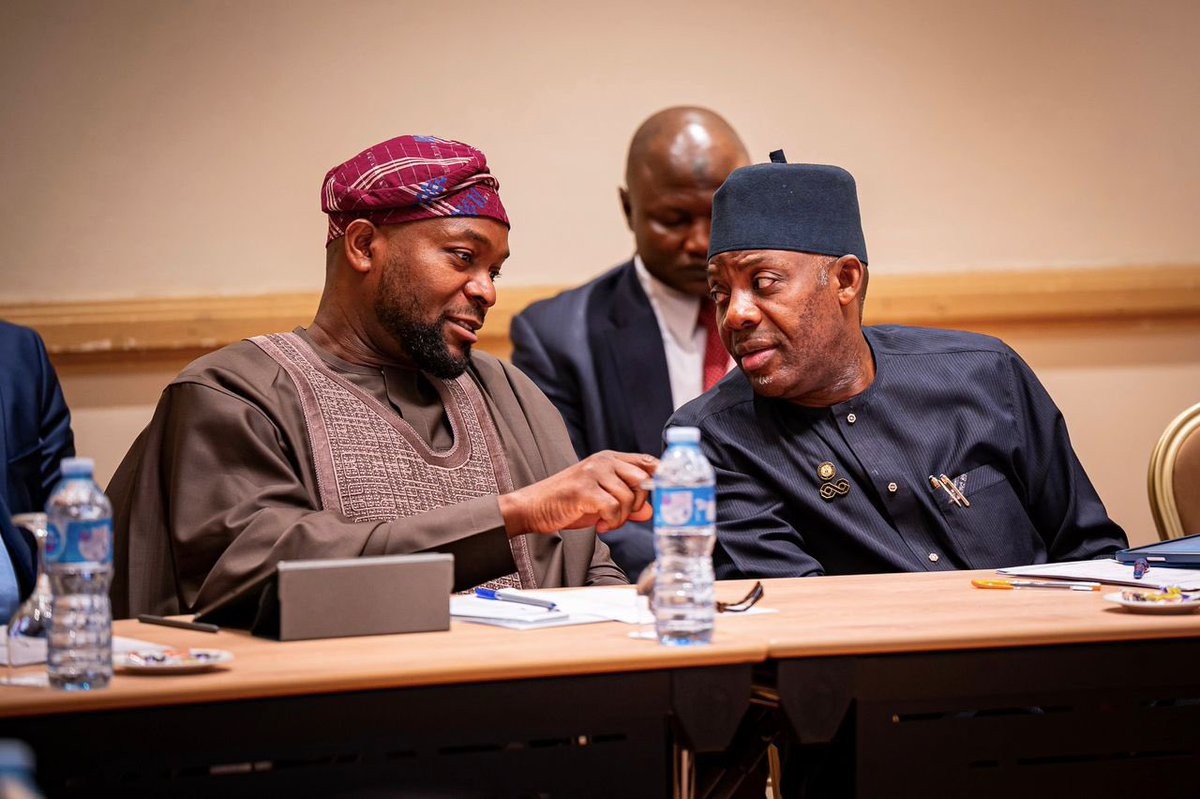
To accelerate implementation, the meeting resolved to expand the governing council of the Nigerian Research and Education Network to include representatives responsible for foundational and secondary education, ensuring stronger coordination across the education system.
Two technical working groups were also established to guide the rollout of the programme. One group will focus on connectivity for tertiary institutions, while the second will concentrate on foundational and secondary schools.
Officials expressed optimism that the first phase of the initiative could begin to deliver visible improvements within three months.
The expanded internet access is expected to allow students and teachers to use digital learning platforms, access global knowledge resources and integrate emerging technologies such as artificial intelligence into the classroom.
Alausa also said improved connectivity would support ongoing reforms in Nigeria’s examination system, including plans to gradually transition major national examinations to Computer-Based Testing.
According to him, the government aims to move examinations conducted by the West African Examinations Council and the National Examinations Council fully to computer-based formats within the next two to three years, similar to the model currently used by the Joint Admissions and Matriculation Board.
Speaking at the meeting, Tijani noted that Nigeria already hosts multiple international submarine internet cables but that the major challenge lies in distributing the connectivity inland through extensive fibre infrastructure.
He explained that most internet capacity enters the country through submarine cable landing points in Lagos, but insufficient fibre networks have limited the ability to distribute that capacity to schools and communities nationwide.
The ongoing national fibre expansion project, he said, is designed to address this gap by ensuring broadband connectivity reaches every local government area.
Both ministers reaffirmed the government’s commitment to ensuring that digital infrastructure investments translate into improved learning outcomes for Nigerian students.
They noted that expanding internet access across the education system will equip young Nigerians with the digital skills required in a modern global economy while improving access to quality education nationwide.
FURTHER READING
- Babajide Olusola Sanwo-Olu Unveils Ibile Youth Academy Ambassadors
- Rising Fuel Costs: President Tinubu Orders Deployment of 100,000 CNG Conversion Kits
- Maiduguri Mosque Denies Social Media Bomb Scare
Click here to watch video of the week
https://youtu.be/MiuEWwKIBwI?si=FqIMGHRFt6eM3nEr