- Alausa explained that talks would include plans to roll out the second phase of Nigeria’s TVET reform programme
- For years, Nigeria’s education system has faced criticism for being too theory-driven
- According to data from the National Bureau of Statistics, youth unemployment and underemployment remain widespread
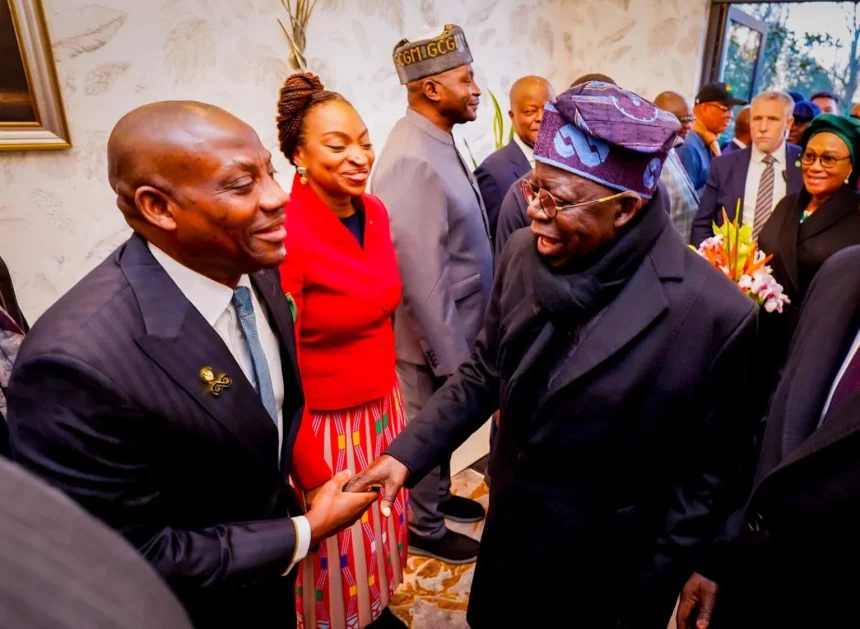
Minister of Education, Maruf Alausa, has joined top government officials in London to welcome Bola Tinubu ahead of a series of important meetings focused on improving Nigeria’s education and skills development landscape.
Eko Hot Blog gathered that the trip comes before the President’s formal engagements in the United Kingdom and is expected to centre on building strategic alliances with global institutions, investors, and development partners.
EDITOR’S PICK
- Why Return of Lagos Monthly Sanitation Exercise is Long Overdue
- Four Killed as Truck Crashes Into Bus on Lekki–Epe Expressway
- Uzodimma: Tinubu Reforms Prevent Fuel Crisis
A major priority will be advancing Technical and Vocational Education and Training (TVET).
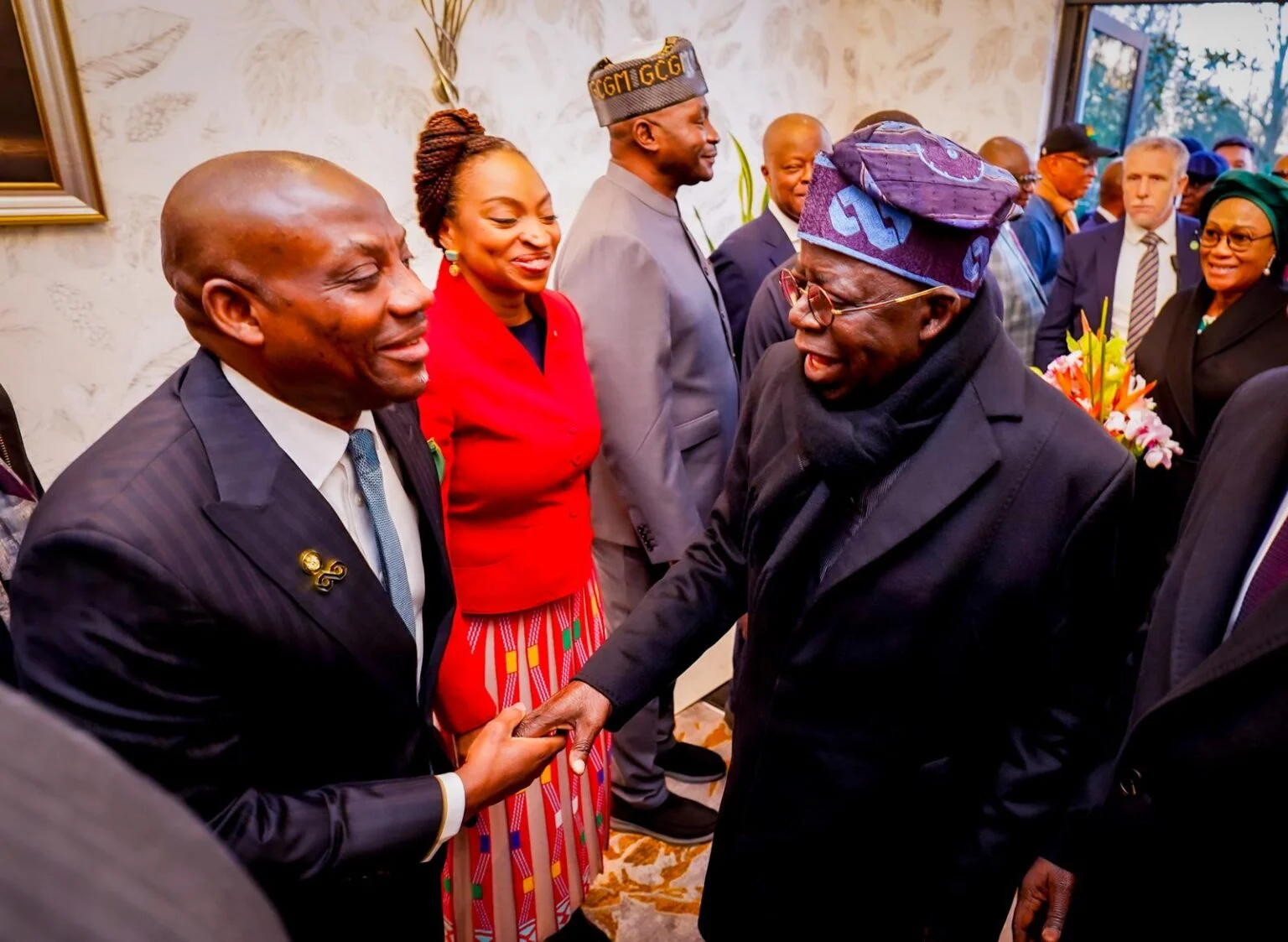
In a statement released on Wednesday, Alausa explained that talks would include plans to roll out the second phase of Nigeria’s TVET reform programme, in partnership with international organisations such as Big Win Philanthropy, alongside stakeholders in the creative and tourism industries.
He noted that the Federal Government aims to transform technical education into a key engine for job creation and economic expansion, especially as concerns grow over unemployment and the mismatch between graduates’ skills and labour market demands.
For years, Nigeria’s education system has faced criticism for being too theory-driven, leaving many graduates without practical, job-ready skills.
According to data from the National Bureau of Statistics, youth unemployment and underemployment remain widespread, with many young people either out of work or stuck in low-paying jobs.
Specialists have consistently advocated for stronger investment in vocational and technical training to bridge the skills gap, particularly in industries like construction, manufacturing, ICT, and the creative sector.
As part of the London visit, the minister is also expected to engage with leaders of the University of Birmingham to deepen its existing collaboration with the University of Lagos.
The partnership is designed to boost research efforts, academic exchange, and institutional development.
In addition, discussions are planned with Coventry University regarding proposals to establish a full campus in Nigeria, an initiative that could widen access to internationally recognised higher education within the country.
These efforts align with the government’s broader agenda to globalise Nigeria’s education sector, attract foreign investment, and reduce the growing trend of students seeking education abroad.
Currently, Nigeria loses significant financial resources each year as thousands of students travel to countries like the United Kingdom and Canada for studies.
Observers believe that encouraging foreign universities to operate locally could help retain talent and strengthen domestic institutions.
The President’s visit is also expected to support Nigeria’s economic diplomacy strategy by strengthening ties with the UK and drawing investment into key sectors.
Government officials believe the outcomes of the London meetings could influence the next phase of education reforms, particularly in technical training, global partnerships, and infrastructure.
Alausa expressed confidence that the engagements would produce meaningful outcomes, stressing that strong international collaboration is essential to achieving Nigeria’s long-term development goals.
FURTHER READING