- Dangote Refinery Speaks On New Petrol Price
-
Crude supply gaps force refinery to import at higher costs
-
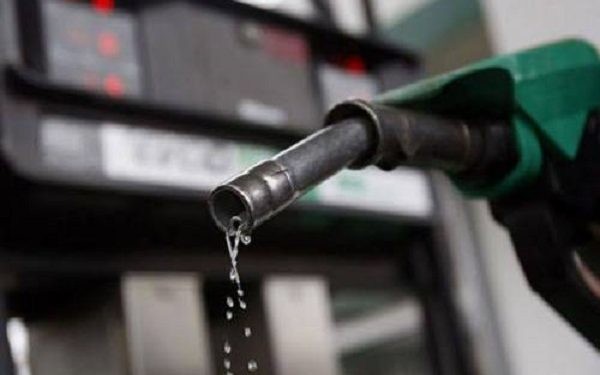
Petrol remains around N1300 despite drop in global oil prices
The management of Dangote Refinery has said that prevailing petrol prices across Nigeria were driven by global market pressures and challenges in crude oil supply.
EDITOR’S PICKS
- Judge Frees 37 Inmates Over Prolonged Detention in Akwa Ibom
- Trump Threatens Iran Over Energy Attacks
- Tinubu Excludes Kemi Badenoch from UK State Visit Itinerary
EKO HOT BLOG reports that the company said that despite the start of domestic refining, expectations that local production would significantly reduce pump prices had been weakened by external factors, including geopolitical tensions in the Middle East.
Speaking during an interview on Arise Television, the Managing Director of the refinery, David Bird, said the facility operates fully within global market conditions without subsidy support.
“On fuel pricing, the refinery is fully exposed to global market forces and operates without subsidies, making it vulnerable to fluctuations driven by geopolitical tensions,” he said.
Bird said multiple cost components continued to put pressure on pricing.
“We try and maintain some stability within a commercially acceptable range, but all our cost inputs from crude to freight and insurance are impacted,” he stated.
Pump Prices Remain Elevated
Findings showed that the recent drop in global crude oil prices had yet to reflect in retail petrol prices across the country. This followed a sharp increase recorded last week when crude prices rose in the international market.
Petrol currently sells at an average of about N1,300 per litre nationwide, after nearly a 20 per cent increase implemented by marketers.
Bird said the situation reflected a broader economic challenge affecting consumers.
“This is a cost-of-living crisis; every facet of the modern economy is impacted by energy,” he said.
He added that even if global tensions were resolved immediately, supply chain disruptions would persist.
“Even if tensions ease, supply chain disruptions will persist for months,” Bird noted.
The refinery boss called on the Federal Government to adopt a broader strategy in addressing cost pressures in the sector.
“I think there’s an opportunity for the government to take an all-encompassing view, not just crude price, but the cost of doing business in Nigeria,” Bird said.
He also stressed the need for long-term planning to reduce future shocks.
“Government and industry must think the unthinkable; COVID should have woken us up about the vulnerability of global supply chains,” he added.
Crude Supply Challenges Persist
Bird raised concerns over crude oil allocation in Nigeria, saying the refinery remained under-supplied and often unable to access its preferred crude grades.
“Nigeria has a wide variety of crude grades… we submit our preferences. And not only do we not get the full allocation, very often we don’t get the grades that we are highlighting as our preferences,” he said.
He said the shortfall forces the refinery to source crude from the international market at higher costs.
Pays Premium For Nigerian Crude Abroad
Bird disclosed that the company buys Nigerian crude grades from the global market at a premium despite operating locally.
“As of now, we’re paying over $18 a barrel premium for those same Nigerian crude grades,” he said.
He added that only about 30 to 35 per cent of the refinery’s crude requirement is met under the Crude for Naira arrangement, without any pricing advantage.
“So, 30, 35 per cent under Crude for Naira, we get allocated with no discount, no subsidy. It is international benchmark pricing. Then, we have to pay international benchmark freight rates. And freight has also been severely impacted… insurance rates, et cetera,” Bird added.
FURTHER READING
- AUATON Calls on Lagos Assembly to Address Ride-Hailing Challenges
- Two Students, Teacher Escape Death in Onipanu Road Accident
- Anthony Joshua Resumes Training Camp Ahead Of Summer Return