- Aluminium prices surged by 6% in early trading on Monday, eventually stabilizing at $3,435 per tonne, after Iran targeted major production plants in Bahrain and the UAE.
- Iran’s Revolutionary Guards confirmed drone and missile strikes over the weekend, claiming the facilities were linked to the U.S. military.
- With Russian aluminium already under sanctions, the Middle East has become the primary supplier for the EU, US, and Japan; further disruptions threaten to paralyze these global markets.
The global economy faced a fresh shock on Monday, March 30, 2026, as aluminium prices hit a significant high following direct attacks on industrial hubs in the Persian Gulf.
Eko Hot Blog reports that according to reports from the London Metal Exchange, the metal essential for everything from soda cans to fighter jets saw an immediate jump of roughly 6% before settling at a 4.2% gain.
EDITOR’S PICKS
- Judge Frees 37 Inmates Over Prolonged Detention in Akwa Ibom
- Trump Threatens Iran Over Energy Attacks
- Tinubu Excludes Kemi Badenoch from UK State Visit Itinerary
Analysts suggest the spike is a direct reaction to the widening regional conflict that began in late February.
Iran’s Revolutionary Guards took responsibility for the weekend strikes, specifically targeting major refineries in Bahrain and the United Arab Emirates.
These attacks have intensified fears that the war is no longer contained but is actively expanding to include the critical industrial infrastructure of neutral Gulf states.
The timing of the disruption is particularly critical.
Following the heavy sanctions placed on Russian aluminium due to the war in Ukraine, the global supply chain shifted its dependence almost entirely toward Middle Eastern producers.
Bank analysts from ANZ noted on Monday that any sustained interruption in deliveries from this region would place immense upward pressure on prices and premiums, potentially driving inflation even higher in Western economies.
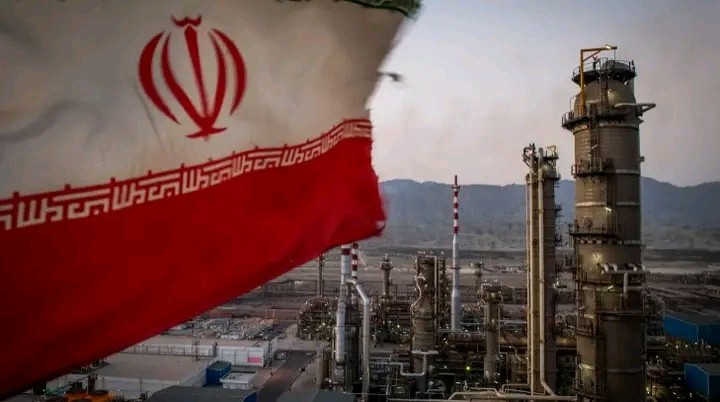
As world energy and metal markets remain in a tailspin, the broader implications for the global economy are becoming increasingly dire.
With the Strait of Hormuz already under pressure and now major land-based refineries under fire, the Middle East as a safe supplier narrative has been fundamentally challenged.