- According to him, the continuous crisis has stretched the nation’s resilience and exposed weaknesses in its institutions
- Kukah also expressed concern over declining public confidence in government and security agencies
- Speaking on governance, the cleric criticised Nigeria’s leadership class for failing to deliver meaningful progress
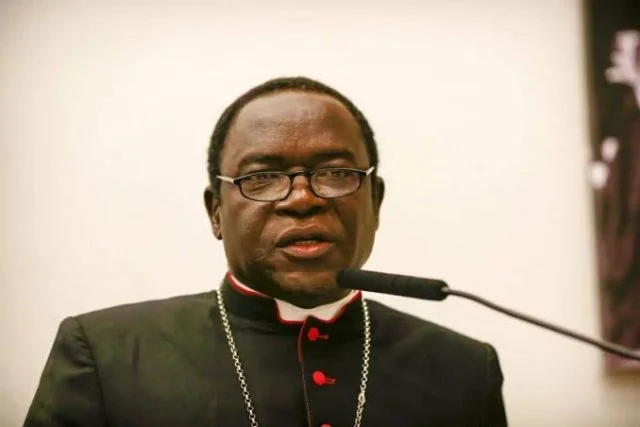
Bishop of the Sokoto Catholic Diocese, Matthew Kukah, has cautioned that Nigeria is passing through a period of severe instability, warning that the situation could worsen if urgent measures are not taken.
In his 2026 Easter message, themed “Faith and Hope in Times of Turbulence,” Kukah described the country as deeply troubled by persistent insecurity, economic strain, and governance failures, Eko Hot Blog gathered.
EDITOR’S PICK
- Easter Celebration: Sanwo-Olu Encourages Love, Sacrifice, Coexistence
- Enough Is Enough Defend Yourselves’ – CAN Urges Northern Christians
- NLC Orders Street Protests Over Minimum Wage
He said the prolonged wave of violence has evolved into a humanitarian concern, with many lives lost and countless others displaced from their homes. According to him, the continuous crisis has stretched the nation’s resilience and exposed weaknesses in its institutions.
Kukah also expressed concern over declining public confidence in government and security agencies, noting that frustration among citizens is pushing some into dangerous compromises in their quest for survival.
Speaking on governance, the cleric criticised Nigeria’s leadership class for failing to deliver meaningful progress, adding that unemployment and poverty continue to weigh heavily on citizens, particularly young people.
He argued that short-term relief initiatives, such as food distribution, do not address the root causes of hardship, stressing the need for sustainable policies, especially in agriculture and economic planning.
Despite the grim outlook, Kukah urged Nigerians not to give in to despair. He called on citizens to remain hopeful and committed to building a better society through unity, responsibility, and faith.
He also encouraged individuals to look inward and contribute positively to national development, rather than placing all blame on leaders.
The bishop concluded by expressing optimism that Nigeria can overcome its current challenges if citizens work together with determination and a shared sense of purpose.
FURTHER READING