- Lagos Workers Demand N225,000 Wage, Cite Economic Pressures
- Labour to Begin Minimum Wage Renegotiation July 2026
- Demands Interim Relief
Lagos organised labour has called for urgent action on workers’ welfare, as it pushes for a major review of the minimum wage amid rising economic pressures and prepares for new national negotiations set to begin in July 2026.
Eko Hot Blog reports that the planned talks will focus on a fresh review of Nigeria’s national minimum wage, ahead of the expiration of the current framework early next year.
EDITOR’S PICK
- 10 Nigerians Convicted in US Over $125m Internet Fraud Scheme
- Ikeja Electric Implements Load Shedding Amid Power Shortage
- Body of Man Killed by Police in Delta Not Missing – Police Command
Labour leaders say early commencement is necessary to avoid the delays that previously slowed down implementation.
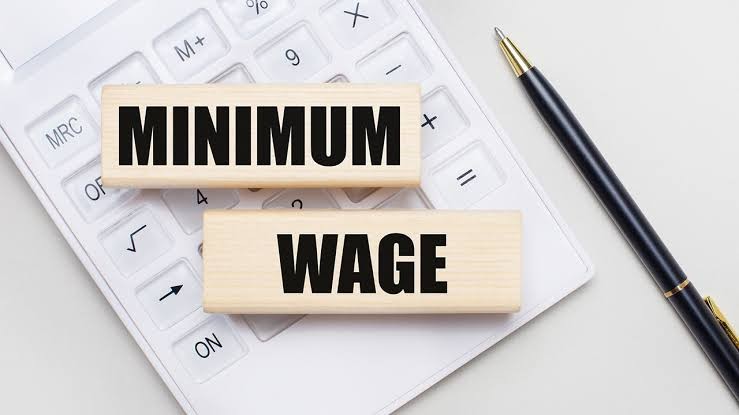
In a key demand anchored in Lagos, the Nigeria Labour Congress has proposed an upward review of the minimum wage from ₦85,000 to ₦225,000, citing inflation and the worsening cost of living.
Speaking during the 2026 Workers’ Day celebrations, leaders of the Nigeria Labour Congress and the Trade Union Congress of Nigeria, led by Joe Ajaero and Festus Osifo, also called for interim relief measures for workers.
They demanded that from July 2026, all workers should receive 100% of their basic salary pending the conclusion and legal approval of a new minimum wage structure, describing it as a necessary cushion against what they termed a deepening cost-of-living crisis.
From Lagos, labour leaders urged workers to remain united in their push for what they described as a “living wage” that matches present economic realities.
They also warned that Nigeria’s current economic climate, combined with political uncertainty ahead of the next election cycle, continues to place additional pressure on the working class.
“We hope that those entrusted with leadership will rise to this moment with the seriousness, humility and commitment that the times demand,” they said.
On the broader economy, the labour movement expressed concern over Nigeria’s rising debt profile, estimated at about ₦200 trillion, calling for a shift toward job creation, productivity, and inclusive economic growth.
They cautioned that an economy that disproportionately benefits a small percentage of the population is unsustainable and risks worsening inequality and instability.
In Lagos, the state council chairperson, Funmi Sessi, reinforced the call for wage adjustment, noting that inflation has significantly reduced the value of take-home pay.
She said many workers are now unable to meet basic needs such as food, housing, transportation, healthcare, and education despite being fully employed.
“Given the economic hardship and the high cost of living in Lagos, this amount is no longer sufficient,” the union stated, adding that ₦225,000 would better reflect current realities.
Labour also pointed to inflation, estimated at about 15.38%, as a major driver of financial strain, saying successive price increases have eroded the impact of the last wage review.
The current ₦85,000 minimum wage in Lagos was approved in October 2024 under Governor Babajide Sanwo-Olu and implemented in November 2024, but labour insists its value has been significantly weakened by persistent economic pressures.
FURTHER READING
- Labour Unions Throw Weight Behind Hamzat’s 2027 Lagos Governorship Bid
- Lagos Boosts HOPE Programme with Operational Vehicles
- Yoruba Tennis Club @100: Obasa Celebrates Legacy, Impact