- According to the estimates presented, actual emissions could be between 1.3 and 3.6 times above existing national inventory levels
- The participants stressed that methane recovery could simultaneously tackle energy poverty
- The participants endorsed a five-year implementation plan beginning with a nationwide methane audit
Energy experts have urged the Federal Government to adopt policies that would transform methane emissions into usable energy, saying the move could provide energy support for about 4.2 million households annually.
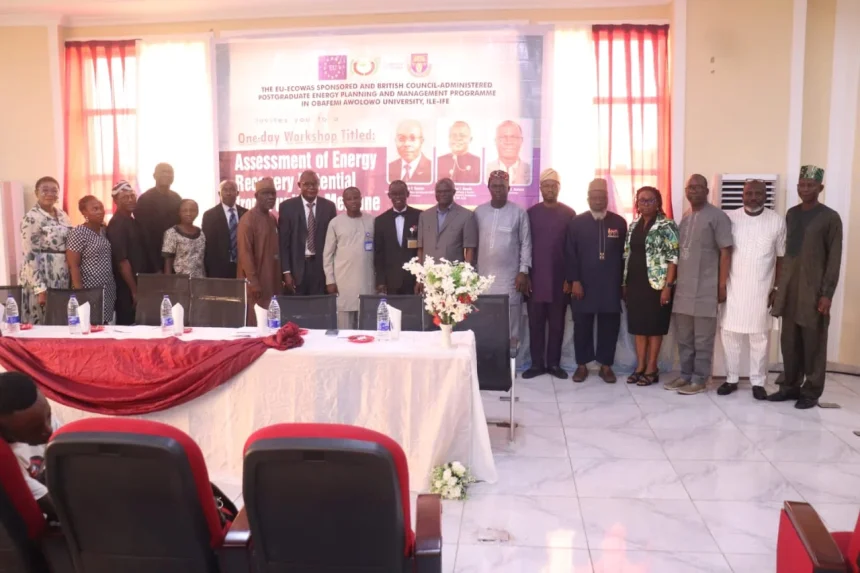
Eko Hot Blog reports that the recommendation was made during a workshop on Methane Recovery and Power Integration in Nigeria held on Friday at Obafemi Awolowo University, Ile-Ife, Osun State.
EDITOR’S PICK
- Gov. Alex Otti Says Slashed State Debt by 60%, Completes 414 Roads In Few Years
- Nwoko Rejects APC Delta North Primary Result, Claims Victory Over Okowa
- Lagos Expands Infrastructure at Agbowa Timberville Project in Epe
The programme was organised under the EU-ECOWAS-backed Postgraduate Energy Planning and Management Programme administered by the British Council.
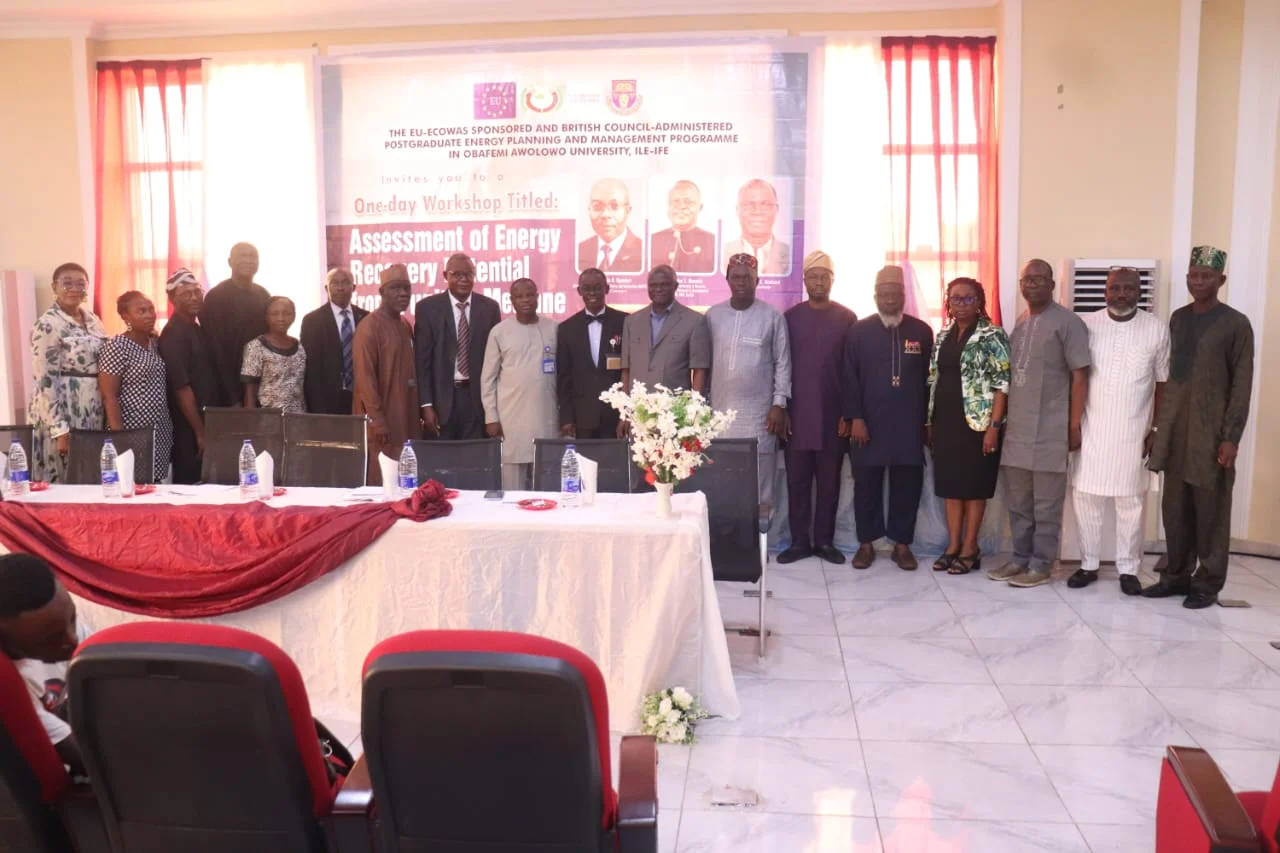
Participants at the workshop noted that Nigeria was facing what they described as a “climate-energy paradox,” where large volumes of methane emissions from rice farms, oil and gas operations, and coal mining activities continue to be lost despite persistent energy shortages across the country.
Methane, a potent greenhouse gas, was identified as a major untapped energy source capable of contributing significantly to household energy needs if effectively captured and utilised.
In a communiqué issued after the event, the experts disclosed that satellite data obtained through TROPOMI Sentinel-5P technology indicated Nigeria’s methane emissions may be far higher than figures currently reflected in national records.
According to the estimates presented, actual emissions could be between 1.3 and 3.6 times above existing national inventory levels.
The experts, including programme coordinator Prof. J-F. Akinbami, convener Prof. I. Ogundari and representatives of the university management, said advanced Tier 3 assessments placed methane emissions at 45 MtCO₂e compared to earlier Tier 1 estimates of 22 MtCO₂e.
They further stated that the energy sector alone possesses a recoverable methane energy capacity of about 80,357 terajoules, enough to meet the yearly energy demand of approximately 4.2 million households.
The participants stressed that methane recovery could simultaneously tackle energy poverty, climate challenges, rural development needs and economic diversification.
They called on the government to stop treating methane solely as an environmental issue and instead recognise it as a strategic energy asset requiring coordinated action across agriculture, petroleum and mining sectors.
Among the recommendations was the creation of a National Methane Recovery Agency to oversee methane utilisation across key sectors.
The experts also urged the National Assembly to enact a Methane Recovery and Utilisation Act that would mandate methane capture at major emission sources including oil facilities, coal mines and large rice farms.
They further proposed integrating satellite-based methane monitoring into national emission records and making methane assessment compulsory in environmental impact studies for energy, agricultural and mining projects.
On financing, the workshop endorsed the adoption of Pressure Swing Adsorption technology due to its projected economic benefits, including a net present value estimated at $780.63 million and a payback period of just over two years.
The experts also advocated fiscal incentives capable of attracting private sector investment returns of at least 27.5 per cent in methane recovery projects.
Additional recommendations included establishing a Green Methane Recovery Fund supported by carbon credit earnings, climate financing and government allocations.
For agriculture, the participants recommended adopting the System of Rice Intensification nationwide in major rice-producing states such as Kebbi, Ebonyi, Niger and Anambra.
They also called for community-based biogas systems in rural areas and wider integration of agricultural methane converted to Compressed Natural Gas into national energy plans.
For the oil and gas industry, the experts urged the Nigerian Upstream Petroleum Regulatory Commission to mandate vapour recovery systems at facilities with high methane emissions, particularly in the Niger Delta.
The participants endorsed a five-year implementation plan beginning with a nationwide methane audit using TROPOMI Sentinel-5P satellite technology.