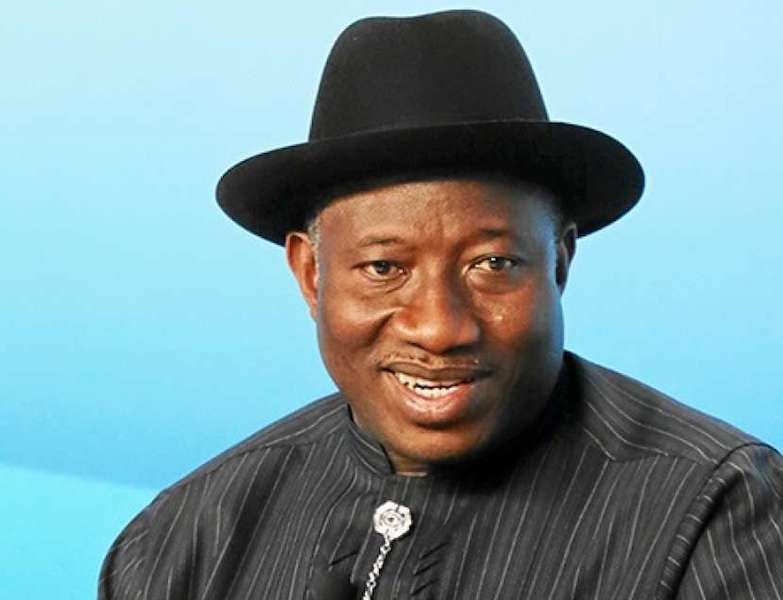
Last week, close associates of former President Goodluck Jonathan dismissed speculations about a possible 2027 presidential bid, insisting that there is no indication that the former leader intends to return to the ballot.
The associates told The PUNCH that Jonathan’s name was being used to pursue certain interests and create confusion within the political space.
EDITOR’S PICKS
But the problem with that denial is that Jonathan himself has been conspicuously quiet as the Taminu Turaki faction of the Peoples Democratic Party (PDP) holds him up as its 2027 flag bearer for the presidential contest.
The last time Jonathan spoke directly about his political ambitions was in May 2026, when youth groups urged him to enter the race. He said he would “consult widely,” a response that was neither a confirmation nor a denial, and one that has fed speculation ever since.
In Nigerian politics, that kind of silence from a principal is rarely accidental.
A Candidacy Being Built Around Him
The Turaki faction has moved with remarkable urgency for a man who has said nothing.
It nominated Jonathan as its sole presidential candidate, scheduled a ratification convention, and has been publicly promoting his candidacy across multiple platforms, all without a word of protest from the former president himself.
When FCT Minister Nyesom Wike’s allies moved to block the Turaki faction’s convention, threatening venues against hosting the gathering, it was the Turaki faction that fought back, not Jonathan’s camp. A man who genuinely wanted no part of a campaign would typically say so clearly and early. Jonathan has done neither.
A Federal High Court has since ruled that Jonathan is constitutionally eligible to contest, resolving one of the key legal arguments against his return. That ruling did not come from nowhere, someone went to court to secure it.
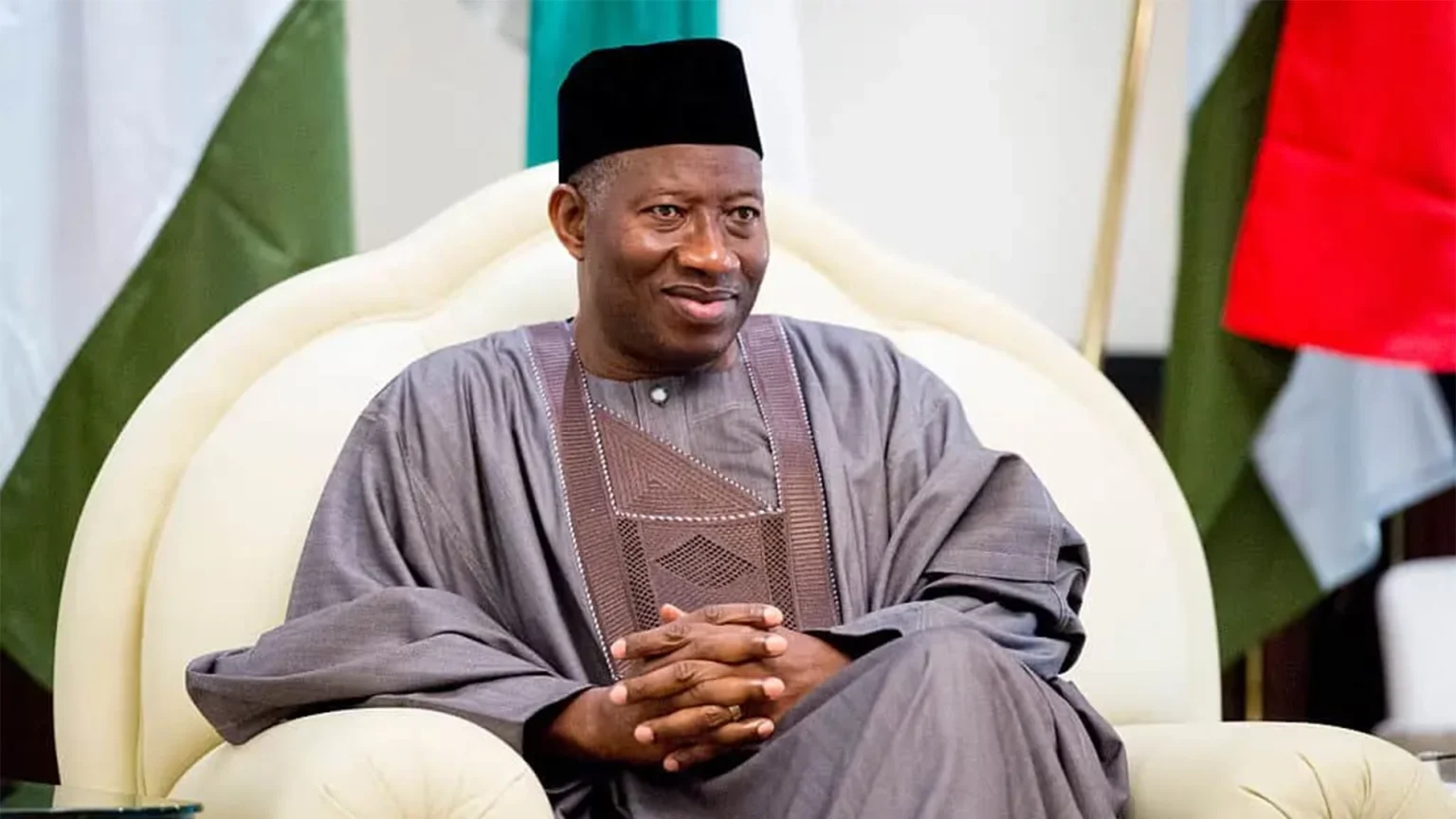
Why the North Wants Him
Understanding Jonathan’s silence requires understanding who is most invested in his candidacy.
Powerful northern political elites who neither want President Bola Tinubu re-elected nor are convinced by Peter Obi’s pledge to serve only one term are said to be actively pushing Jonathan’s return.
Their calculation is structural and straightforward: a Jonathan presidency shuts out Tinubu from a second term while constitutionally guaranteeing that power returns to the North by 2031. Having already served one full term, Jonathan cannot constitutionally seek more than one additional term, meaning the North gets its shot at the presidency in the next cycle regardless of what happens in 2027.
That is a compelling argument for northern power brokers who are thinking beyond 2027. And it is an argument being made in the corridors where Jonathan moves.
The INEC Problem
The path to the ballot remains the central obstacle.
The PDP faction recognised by INEC is the Wike-aligned NWC, which has produced Cross River senator Sandy Onor as its candidate. Onor is widely regarded as a placeholder, a candidate whose faction is structurally sympathetic to the Tinubu administration. The Turaki faction, which holds Jonathan’s name, does not have INEC recognition.
Unless a court overturns INEC’s recognition of the Wike faction, his name will not appear on the 2027 ballot. That legal battle is ongoing, but the window is narrowing.
What the Silence Signals
In a political environment where every major candidate has been loud about their ambitions, Jonathan’s restraint stands out. It could mean he is genuinely uninterested and too polite to shut down allies publicly. It could mean he is waiting to see how the legal battles resolve before committing. Or it could mean he has privately given his blessing to the Turaki process while maintaining plausible deniability until the moment is right.
FURTHER READING
What it almost certainly does not mean is indifference. In Nigerian politics, silence at this level is itself a statement and the race is being shaped around it whether Jonathan intends that or not.
Philip Ibitoye is a Special Correspondent with EKO HOT BLOG. Click here to find daily analysis and critical insight on trending issues in Lagos and other parts of Nigeria.
Click to watch the video of the week below: