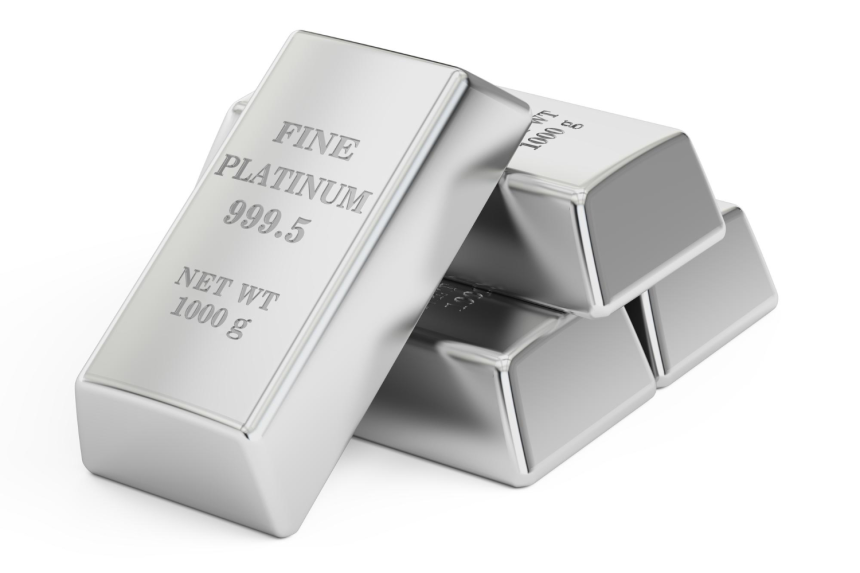
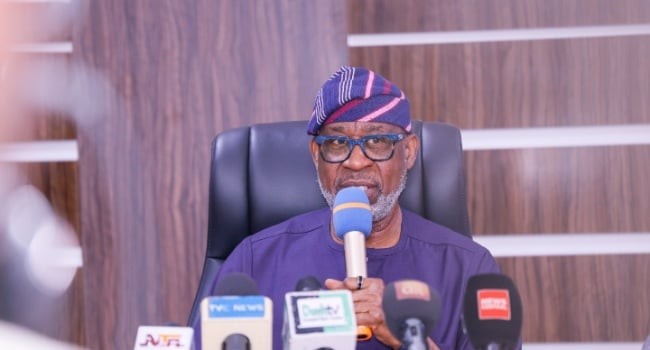
Nigeria may have just stumbled onto something significant. Minister of Solid Minerals Development Dele Alake on Wednesday announced the discovery of a “world-class” polymetallic mineral province in Kaduna State containing platinum group metals, gold, nickel, copper, lithium, and rare earth elements.
The announcement, made at the African Natural Resources and Energy Investment Summit 2026 in Abuja, was the first time the government had publicly disclosed the discovery.
EDITOR’S PICKS
Alake said the discovery was verified by the Nigerian Geological Survey Agency and made by a private company in collaboration with it.
The same day, Steron Mining and Company Limited — which started as a granite quarry before stumbling on lithium, then tantalite — unveiled an estimated 3.3 million metric tonnes of lithium reserves at its Abuja site.
Why These Minerals Matter
Not all minerals are equal. The ones found in Kaduna sit at the very centre of the global clean energy economy. Lithium powers the batteries that run electric vehicles and store renewable energy. Platinum group metals are critical for hydrogen fuel cells and catalytic converters. Nickel and copper are essential for electric motors and grid infrastructure. Rare earth elements go into everything from smartphones to guided missiles.
The world’s wealthiest economies — the United States, China, the European Union — are in an active scramble for secure supplies of these materials. Countries sitting on confirmed reserves of them have enormous negotiating leverage.
If Nigeria’s Kaduna deposits hold up under deeper exploration, the country joins a short list of nations with the raw inputs that the next economy runs on.
The Gap Between Discovery and Value
Nigeria has been here before or somewhere close to it. The country has known about its solid minerals potential for decades. What has changed less quickly is the infrastructure, regulation, and domestic processing capacity needed to convert that potential into wealth.
Alake acknowledged this directly. “For too long, Nigeria’s mineral endowment did not translate into sufficient national value,” he said, describing the familiar paradox: vast deposits, weak enforcement, poor geological data, and an economy built around exporting raw materials rather than finished products.
The government says it is now moving away from that model, with investors committing to processing projects designed to keep more value inside Nigeria. But the gap between a ministerial announcement and a functioning beneficiation industry is wide. The Kaduna discovery has been verified at the geological survey level. The next steps — commercial-scale exploration, environmental assessment, infrastructure investment, and regulatory clarity — are where Nigerian mining has historically lost momentum.
What to Watch
The Steron story is instructive. The company went in looking for granite. It found lithium. It is now finding tantalite. That pattern of mineral discovery compounding as exploration deepens is precisely what makes the Kaduna province significant. The question is whether Nigeria can build the conditions that attract serious long-term capital rather than the hit-and-run extraction that has characterised parts of its mining history.
For now, the announcement signals genuine government intent to position Nigeria in the global critical minerals market. Whether the Kaduna province becomes a transformative economic asset or another promising discovery that fades into inaction will depend on decisions made in the months ahead on licensing, processing mandates, community frameworks, and the quality of private sector partnerships the government is able to broker.
FURTHER READING
The geology appears promising. The harder work is everything else.
Philip Ibitoye is a Special Correspondent with EKO HOT BLOG. Click here to find daily analysis and critical insight on trending issues in Lagos and other parts of Nigeria.
Click to watch the video of the week below: