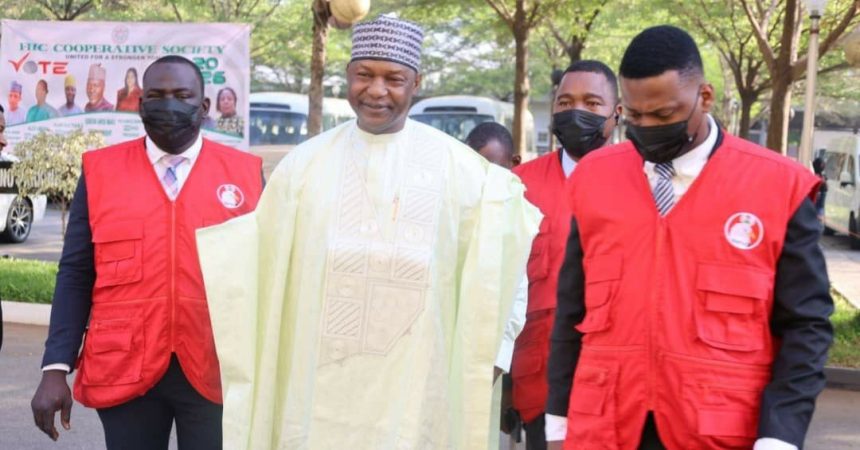
A Federal High Court in Abuja has ordered the final forfeiture of 48 properties linked to Abubakar Malami, Nigeria’s former Attorney General of the Federation and Minister of Justice. The properties are worth about ₦180.4 billion.
Justice Joyce Abdulmalik gave the ruling on Wednesday, following a case filed by the Economic and Financial Crimes Commission (EFCC).
EDITOR’S PICKS
The commission had asked the court to permanently seize 57 properties worth over ₦212 billion, saying Malami acquired them with proceeds of unlawful activities while he served as AGF between 2015 and 2023. The judge released only nine of the properties, worth about N28.7 billion, saying the EFCC did not prove a clear link between them and any crime.
The ruling is not a criminal conviction. But it raises hard questions about a man who, for eight years, was Nigeria’s chief law officer; the person meant to lead the fight against the very kind of graft he is now accused of benefiting from.
A Troubling Contradiction
Malami did not just serve in government. He was the government’s top lawyer. As AGF, he oversaw the same EFCC that has now dragged his assets before a judge. He was also the officer who approved or advised on many decisions involving public funds and prosecutions.
The court’s findings make the contradiction sharper. Justice Abdulmalik noted that Malami earned about ₦89.7 million in salary and ₦12 million in severance allowance across his eight years in office. He also declared ₦253.6 million in official earnings to the Code of Conduct Bureau. Yet the properties traced to him and his associates run into hundreds of billions of naira, spread across hotels, malls, a university, and homes in Abuja, Kaduna, Kano and Birnin-Kebbi.
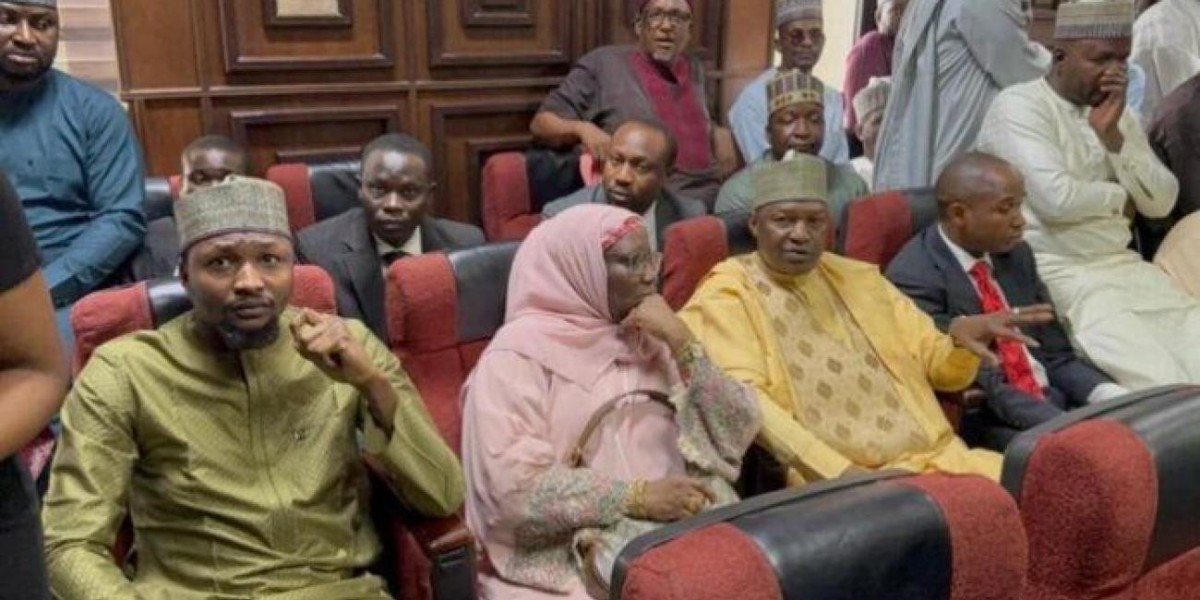
The judge said the case was not about who owns the properties, but where the money to buy them came from. Malami and his co-respondents, she ruled, failed to explain that.
Even without a criminal conviction, the scale of wealth attached to a public servant’s name is itself troubling. Nigerians do not need a guilty verdict to ask how a minister on a modest official salary came to be linked to an empire worth close to ₦200 billion.
A Legacy Question, One Year After Buhari
The timing adds weight to the story. This week marked the first anniversary of the death of former President Muhammadu Buhari, who appointed Malami and kept him in the justice ministry for the full eight years of his administration. Tributes have poured in this week praising Buhari’s discipline and his anti-corruption record.
But Buhari’s government came to power in 2015 on the promise to fight corruption harder than any before it. Malami was central to that promise. As AGF, he was meant to be the legal engine of that fight; advising on prosecutions, coordinating asset recovery, and representing the federal government’s integrity in court.
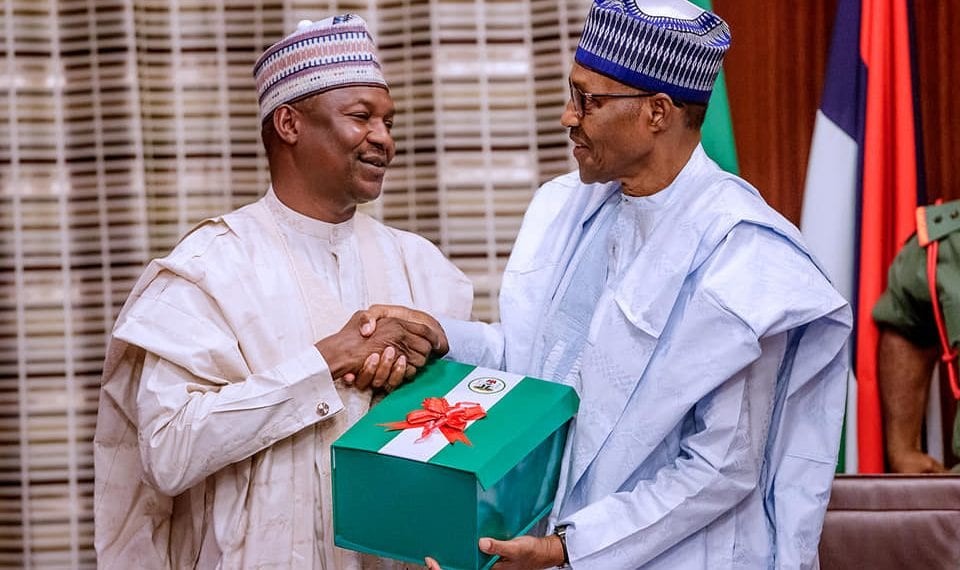
That the man who held that office for the entirety of Buhari’s tenure is now the subject of one of the EFCC’s largest forfeiture actions is not a footnote to Buhari’s legacy. It is part of it. Any honest assessment of the former president’s anti-corruption record has to reckon with the fact that his own chief law officer is now fighting to keep properties a court has ruled he could not explain.
What Happens Now
The forfeiture order does not end the matter. Malami, his wife and his son are already facing a separate trial over ₦8.7 billion in alleged money laundering. The properties released by the court, including family homes and schools linked to the Malami name, show that not every claim against him held up in court. That distinction matters.
FURTHER READING
But it does not erase the larger picture. A minister who swore to defend the law is now the subject of one of the biggest forfeiture rulings in Nigeria’s recent history. Whatever the final outcome of the criminal trial, the forfeiture ruling alone tells Nigerians something about how public office was used — or misused — during a period the country was told corruption was under attack.
Philip Ibitoye is a Special Correspondent with EKO HOT BLOG. Click here to find daily analysis and critical insight on trending issues in Lagos and other parts of Nigeria.
Click to watch the video of the week below: