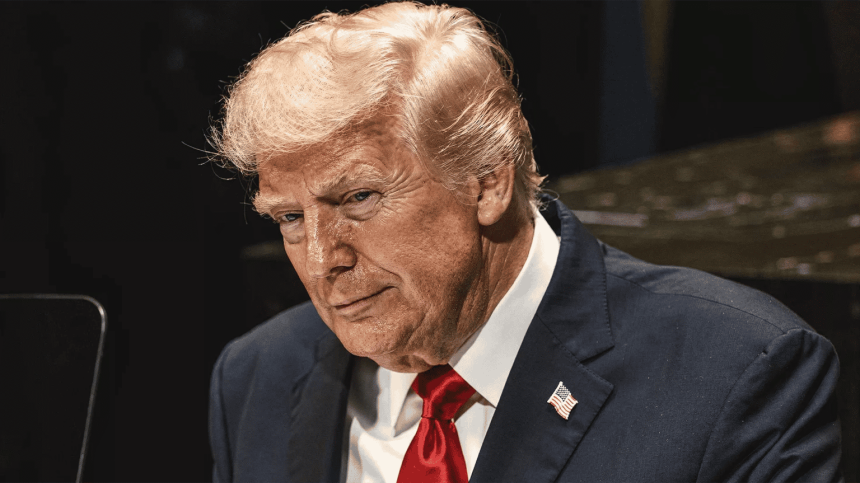
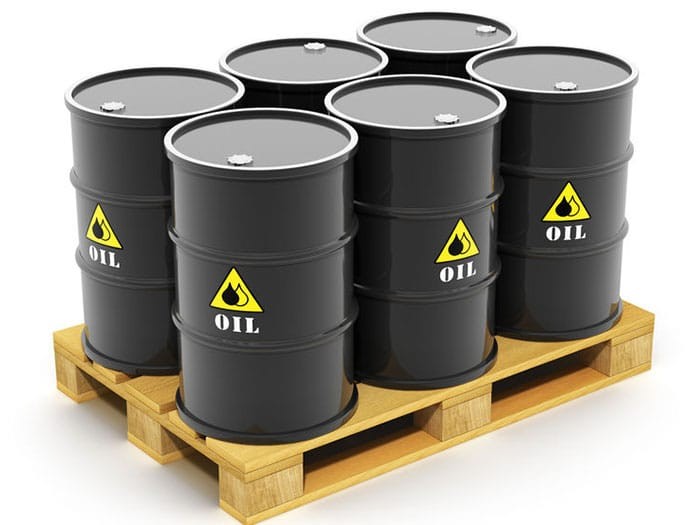
Oil prices jumped again on Wednesday, with Brent crude rising above $94 a barrel, its highest level since June 11.
The spike came as the US carried out an 11th straight night of attacks on Iran, and as Iran-backed Houthi fighters in Yemen threatened a new blockade against Saudi oil shipments.
EDITOR’S PICKS
For Nigerians, the numbers on a trading screen thousands of miles away are already showing up at the fuel pump.
On Wednesday, Dangote Petroleum Refinery fixed its gantry price at N1,215 per litre, effectively raising pump prices for final consumers.
Six Months Of Windfall, No Relief In Sight
But oil prices have been climbing since February, driven by the same US-Iran standoff now flaring up again. For an oil-producing country like Nigeria, a higher oil price means more government revenue. Crude sales fund a large share of the federal budget, and six months of elevated prices should have added significantly to government coffers.
Yet there has been no public conversation about using any of that windfall to cushion Nigerians from the cost of higher petrol prices.
Since the subsidy was removed in 2023, pump prices move in step with international crude costs. When oil rises abroad, importers and even the Dangote refinery raise the price they charge at home, and government has largely left that adjustment to market forces.
This pattern held even when oil prices briefly eased in June, following a temporary ceasefire in the Middle East. That lull offered a short window when petrol import costs stabilised. But it never translated into a policy conversation about using the earlier windfall to build a buffer for Nigerians. Now that fighting has resumed, that opportunity looks missed.
Back To Square One
The ceasefire proved fragile. With US strikes on Iran now in their eleventh consecutive night, and President Trump warning that Washington would destroy Iranian infrastructure for any attack on shipping in the Strait of Hormuz, the market has priced back in a heavy risk premium. The Houthis’ new threat to blockade Saudi oil shipments through the Bab el-Mandeb strait adds a second front to the supply worries.
None of the parties driving this volatility are Nigerian. Petrol prices at home are now effectively set by decisions made in Washington, Tehran and Sanaa.
What Relief Would Look Like
Nigeria does not need to reverse the subsidy removal to give Nigerians some protection from these swings.
Options exist that fall short of a full return to fuel subsidies. Government could introduce a temporary, time-bound support measure tied explicitly to windfall crude revenue, rather than an open-ended subsidy. It could push harder for local refining capacity to grow faster, so pump prices are less tied to the cost of imported cargoes. It could also publish clearer figures on how much extra revenue high oil prices have generated, so citizens can see whether any of it is reaching them.
So far, none of these has been seriously debated in public. The federal government has collected the upside of high oil prices for six months without extending any of it back to consumers facing the downside.
The Bigger Question
The immediate story is a price spike driven by a war Nigeria is not fighting. The larger story is a policy choice: whether the extra revenue from months of high oil prices will ever be used to soften the blow when that same volatility hits the pump.
FURTHER READING
Until that choice is made, Nigerians will keep discovering, one crude price swing at a time, that their fuel costs are being set by decisions made far from Abuja.
Philip Ibitoye is a Special Correspondent with EKO HOT BLOG. Click here to find daily analysis and critical insight on trending issues in Lagos and other parts of Nigeria.
Click to watch the video of the week below: