- Ebola deaths in DR Congo have risen to 2,325
- Confirmed cases have reached 4,945, making the outbreak the country’s deadliest
- Health experts blame delayed detection and limited access to treatment for the rising fatality rate
The Ebola outbreak in the Democratic Republic of Congo has claimed 2,325 lives, making it the deadliest outbreak recorded in the country, according to the latest government figures.
Eko Hot Blog gathered that data released by Congo’s public health institute on Sunday showed that confirmed infections had climbed to 4,945, following the identification of 101 additional cases within 24 hours.
EDITOR’S PICK
- Osun Election: INEC Reports 94.5% Polling Units Opened on Time
- THEDSF Visits Alara of Ilara Kingdom, Seeks Royal Support for Youth Mobilisation
- Super Falcons Miss Women’s World Cup for First Time
The current outbreak, which was officially declared on May 15, has now surpassed the previous record set during the 2018–2020 Ebola outbreak, which resulted in 2,299 deaths.
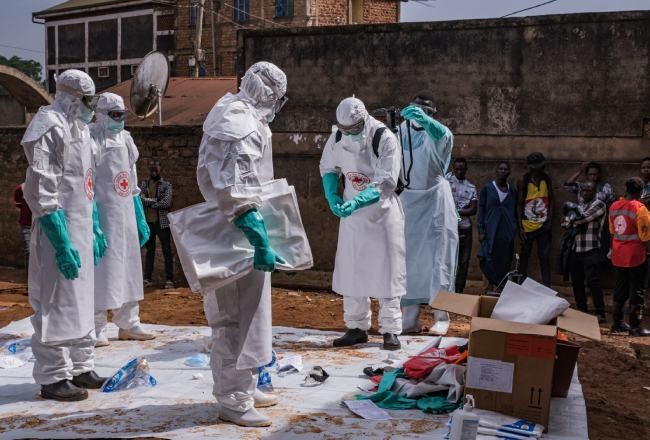
It has also become the largest Ebola outbreak ever recorded in Congo by the number of confirmed cases. Globally, however, it remains behind the 2014–2016 West African outbreak, which affected Guinea, Liberia and Sierra Leone and recorded more than 28,000 cases and 11,000 deaths.
Health authorities have raised concerns about the rapid increase in fatalities. Congo’s latest figures indicate that the case fatality rate has risen to 46%, compared with roughly 20% in early June.
Public health experts, however, said the increase does not necessarily mean the virus has become more deadly. They attributed the rising fatality rate largely to delays in detecting infections, weaknesses in surveillance and limited access to medical care.
Thomas Parisch, a public health specialist working with Médecins Sans Frontières, said many infected people were still being identified at an advanced stage of the disease, reducing their chances of survival.
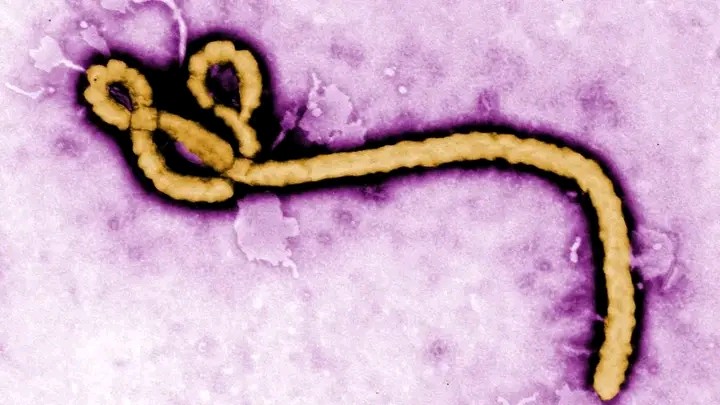
The outbreak is being caused by the Bundibugyo strain of Ebola, for which there are currently no approved vaccines or specific treatments. Researchers are assessing experimental vaccines and therapies, although available evidence remains limited.
Congo is also facing challenges from inadequate healthcare infrastructure, insecurity and resistance within some communities, making it more difficult for health workers to trace contacts and respond quickly to new infections.
The outbreak previously crossed into neighbouring Uganda, where authorities recorded 20 cases and two deaths before declaring the outbreak over last month.
Ebola is transmitted through direct contact with bodily fluids from infected or deceased people. Symptoms can include fever, vomiting and diarrhoea, while severe infections may result in internal or external bleeding.
FURTHER READING