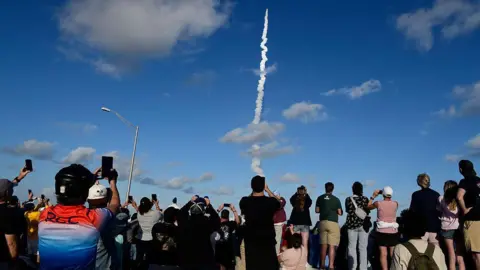
- At exactly 6:24 p.m. EDT on Wednesday, April 1, 2026, the gargantuan Space Launch System (SLS) rocket roared into the Florida sky, carrying humans toward the Moon for the first time in 54 years.
- After a tense afternoon troubleshooting a safety system glitch and a battery sensor issue, NASA engineers achieved a “GO” status just in time for the 90% favorable weather window.
- As of 7:12 p.m. EDT, the Orion spacecraft has successfully separated from the rocket’s core stage and has fanned out its solar arrays to begin generating its own power in Earth orbit.
The era of deep space exploration has officially reopened. Thousands gathered at the Kennedy Space Center and along the Space Coast to witness the thunderous ascent of the Artemis II mission.
Eko Hot Blog reports that putting off nearly 9 million pounds of thrust, the SLS rocket, the most powerful ever built, vaulted off the pad in a display of raw engineering might.
EDITOR’S PICKS
- Judge Frees 37 Inmates Over Prolonged Detention in Akwa Ibom
- Trump Threatens Iran Over Energy Attacks
- Tinubu Excludes Kemi Badenoch from UK State Visit Itinerary
The mission marks the first time since the Apollo 17 flight in 1972 that astronauts have ventured beyond low-Earth orbit.
The “MacGyver” Fix That Saved the Day
The journey to the stars was nearly grounded by a high-stakes technical drama. Earlier on Wednesday, the launch team was hit with a “NO-GO” status due to a communication failure with the Flight Termination System (FTS).
This critical safety mechanism is designed to self-destruct the rocket if it veers off course toward populated areas.
In a move that will go down in space history, the Launch Director authorized a console operator to retrieve “heritage equipment” from the Space Shuttle era located in the nearby Vehicle Assembly Building.
By using this vintage hardware to verify the modern system’s integrity, engineers bridged a 30-year technology gap to clear the rocket for flight. A separate concern regarding a battery temperature reading on the Launch Abort System was also dismissed as a faulty sensor, allowing the final “Go” poll to proceed with “full send” enthusiasm from mission control.
Meet the Crew of History Makers
The four astronauts aboard the Orion capsule are now beginning a 10-day journey that will take them farther from Earth than any human has ever traveled, breaking the distance record set by Apollo 13.
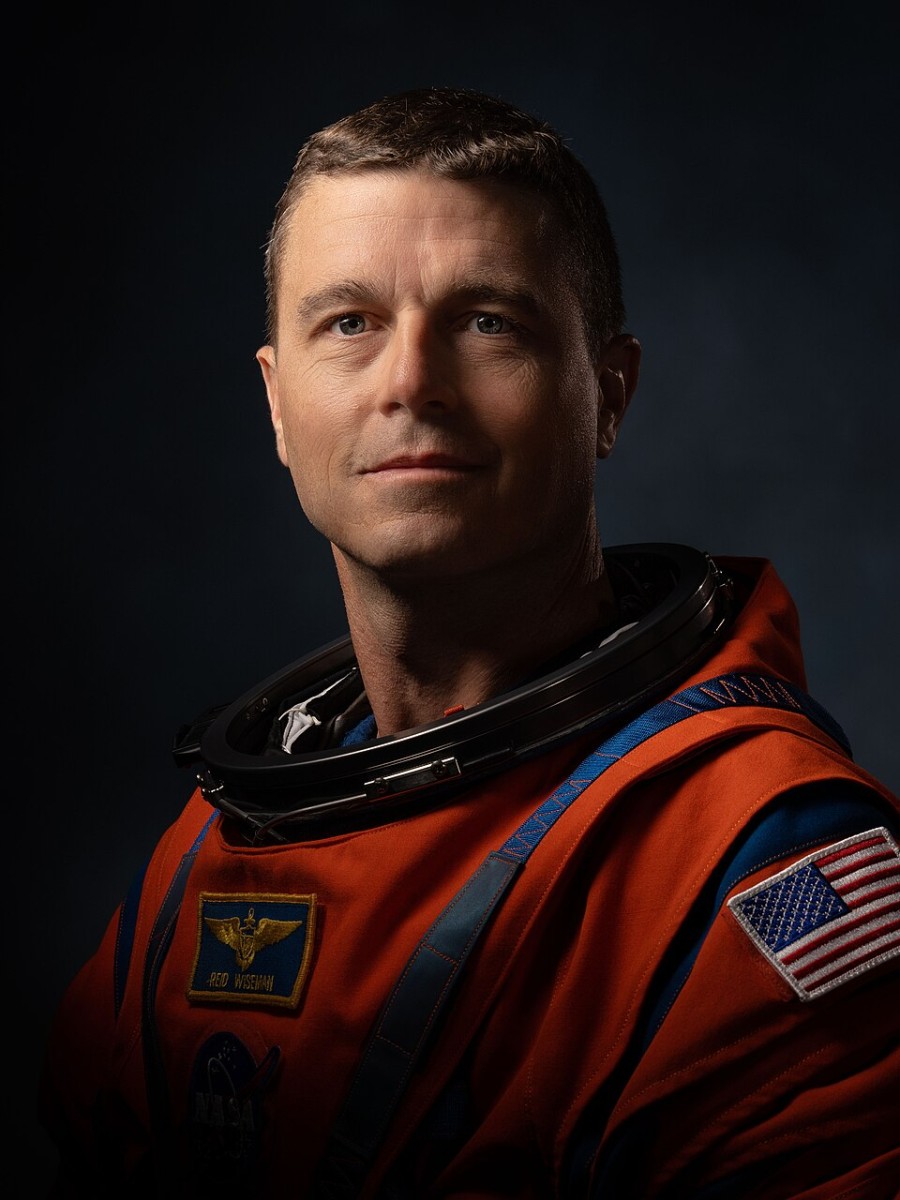
Commander Reid Wiseman (NASA): A decorated naval aviator leading the first crewed lunar mission of the 21st century.
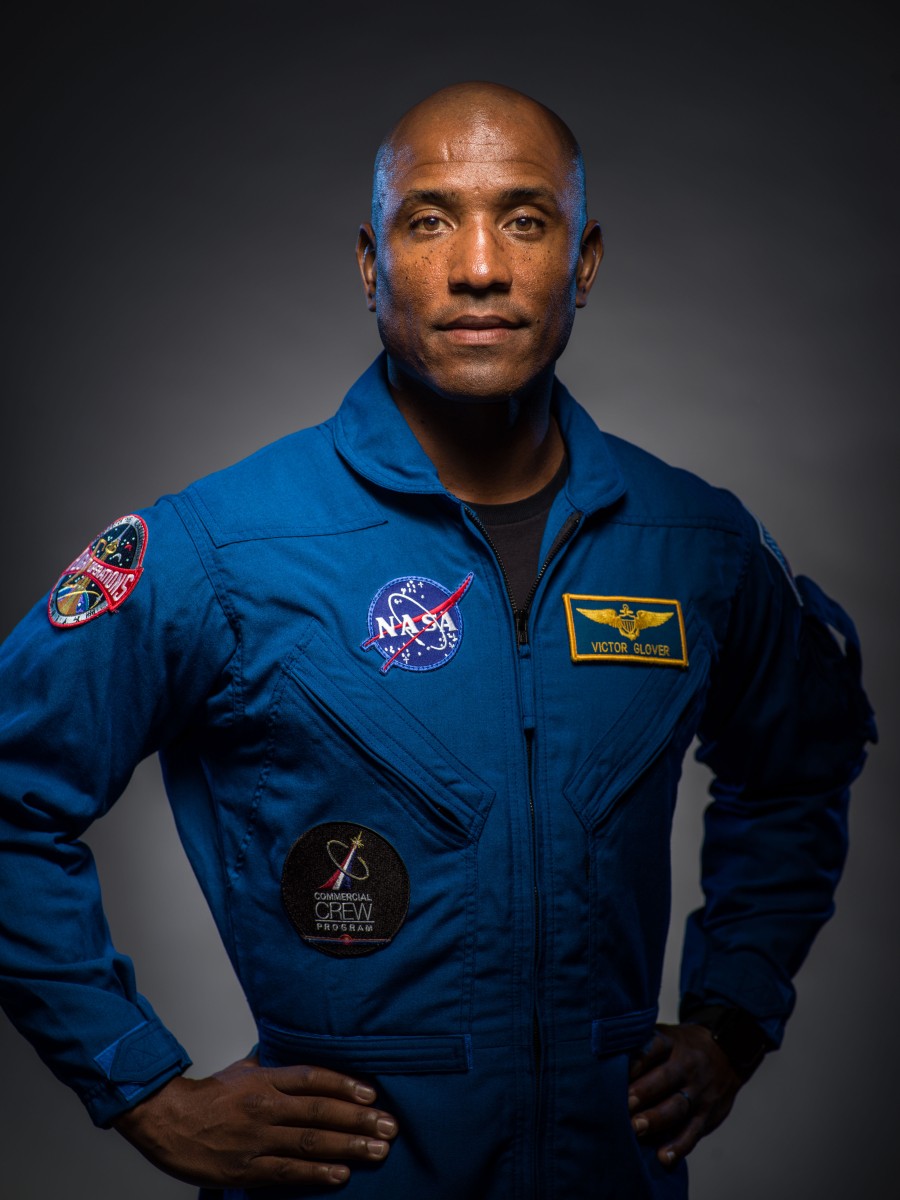
Pilot Victor Glover (NASA): Making history as the first Black man to journey to the lunar vicinity.
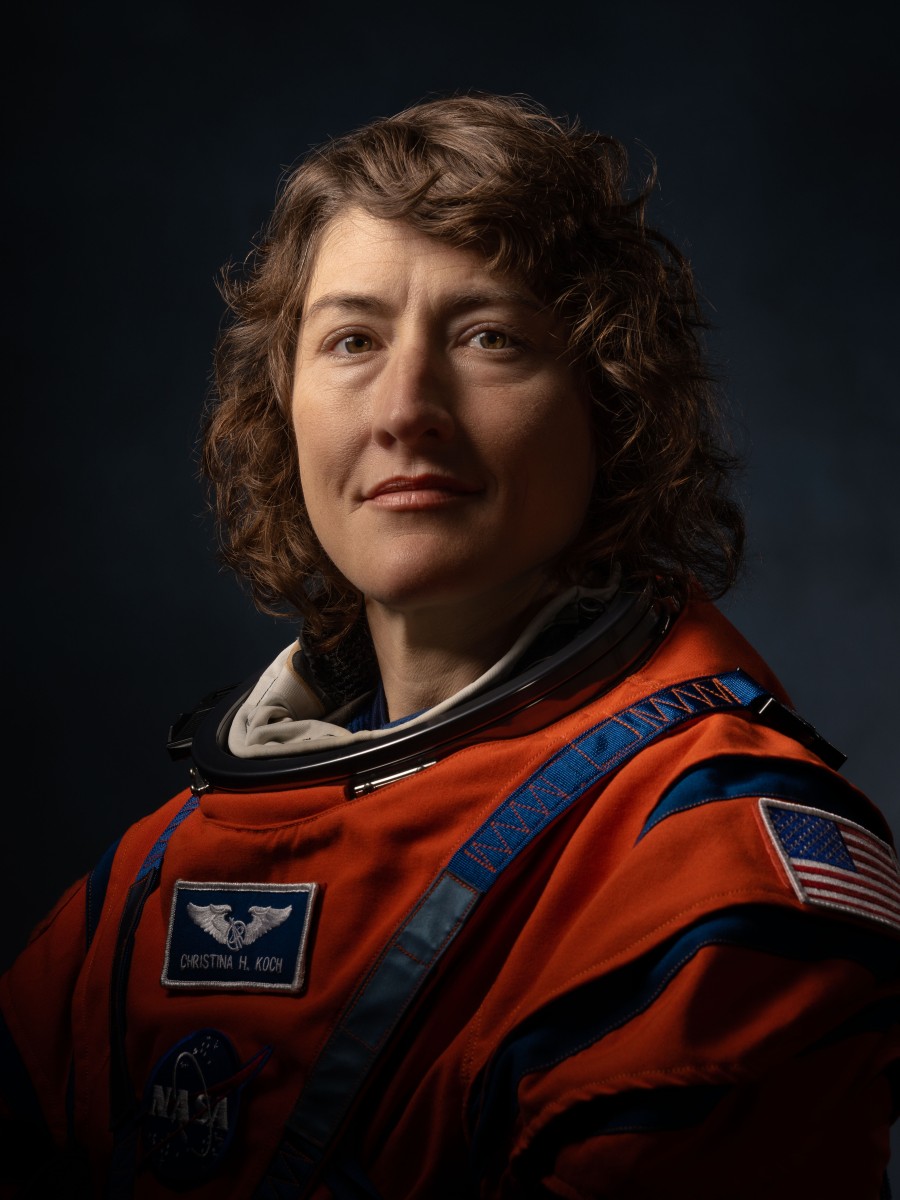
Mission Specialist Christina Koch (NASA): The first woman to head into deep lunar space, following her record-breaking stay on the ISS.
Mission Specialist Jeremy Hansen (CSA): The first Canadian to leave Earth’s orbit, representing a new era of international lunar partnership.

The Road Ahead: 10 Days in Deep Space
As of this update, the Orion capsule is flying free. It has successfully fanned out its 23-foot solar arrays, which contain 5,000 solar cells to convert sunlight into the electricity needed to keep the crew alive.
The mission has already passed Max-Q (maximum atmospheric stress) and MECO (Main Engine Cutoff).
The core stage has been discarded into the Atlantic Ocean, and the crew is now relying on the Interim Cryogenic Propulsion Stage (ICPS).
Over the next 24 hours, they will perform a series of maneuvers to raise their orbit before the final Trans-Lunar Injection (TLI) burn, a move that will kick them toward the Moon at speeds nearing 25,000 miles per hour.