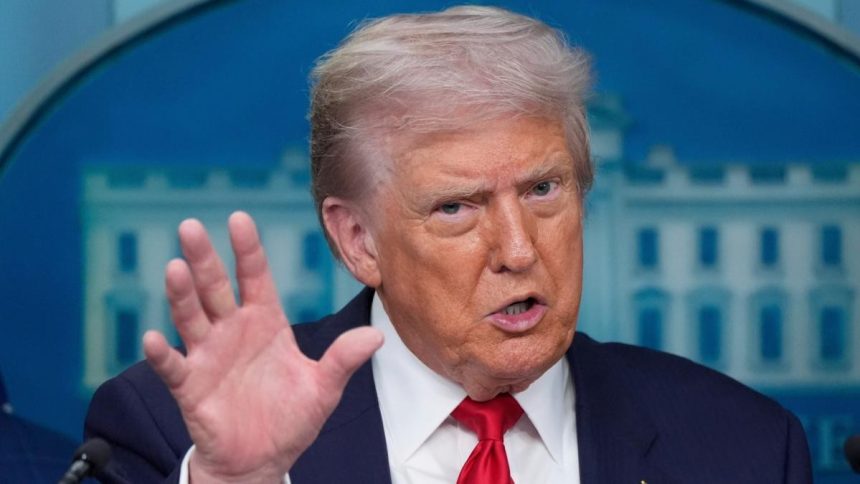
- President Donald Trump delivered a prime-time speech from the White House on Wednesday, April 1, 2026, marking exactly one month since the conflict began.
- Trump claimed the war could “wind down” within three weeks, citing the successful destruction of key Iranian naval and missile infrastructure.
- With US gasoline prices climbing past $4 a gallon, the President is facing a sharp decline in approval ratings, which have slipped below 40%.
President Donald Trump addressed the American public on Wednesday night, attempting to project a clear path toward ending the month-long conflict with Iran.
Eko Hot Blog reports that Trump insisted that the primary military objectives of “Operation Epic Fury” have been largely met, though he paired this optimism with threats of further escalation if the Strait of Hormuz remains blocked.
EDITOR’S PICKS
- Judge Frees 37 Inmates Over Prolonged Detention in Akwa Ibom
- Trump Threatens Iran Over Energy Attacks
- Tinubu Excludes Kemi Badenoch from UK State Visit Itinerary
Following his address, the President is scheduled for a critical meeting with top military commanders at the Pentagon.
This session is expected to focus on the “two-to-three-week” timetable Trump announced for concluding the operation. While the President claimed earlier Wednesday that Iran’s leadership was “begging” for a ceasefire, Tehran’s foreign ministry has called those claims “false,” leaving the Pentagon meeting as a vital moment for determining the next phase of the campaign.
The closure of the Strait of Hormuz remains the war’s most volatile issue, effectively shutting off 20% of the world’s oil supply.
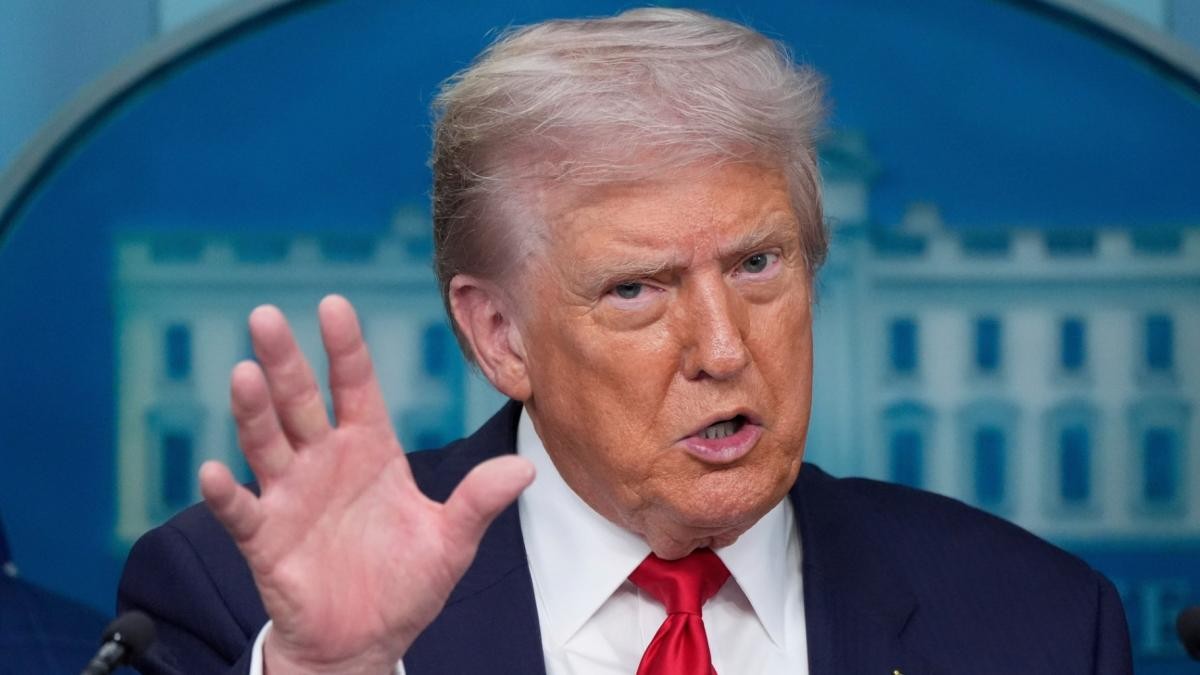
Trump’s rhetoric on social media remained aggressive, as he warned that the U.S. would continue “blasting Iran into oblivion” until the shipping lanes are “free and clear.”
Despite the tension, global markets saw a slight rally on Wednesday as investors seized on the President’s more optimistic signals regarding a potential end to the fighting.
Brent crude fell roughly 2.7% to $101.16 a barrel, though analysts warn that the underlying economic risks remain high as long as the blockade persists.
The war has also triggered a historic rift with traditional allies. Trump has reportedly suggested “reconsidering” US membership in NATO after several European nations declined to provide military support for the campaign.
This diplomatic friction, combined with surging domestic fuel prices, has made the conflict a significant political liability ahead of the upcoming midterm elections.