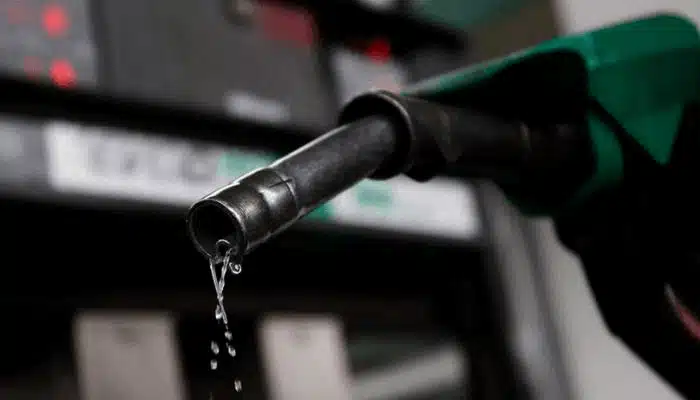
For many Nigerians, the current surge in fuel prices raises a puzzling question. Nigeria produces crude oil and now hosts the massive Dangote Refinery, so why should a war thousands of kilometres away in the Middle East suddenly push pump prices higher at home?
Recent global events provide the answer. The ongoing conflict involving Iran, Israel and the United States has sent shockwaves through global energy markets, pushing crude oil prices upward and threatening vital shipping routes that carry a large share of the world’s oil supply.
EDITOR’S PICKS
- Governor Ahmadu Fintiri Defects To APC As Atiku’s Son Refuses To Dump PDP
- Should Governors Have To Join Ruling Party for ‘Greater Federal Support’?
- FEDSA National Pays Courtesy Visit to Lekki LCDA Chairman, Applauds Free JAMB Initiative
Energy analysts say the crisis has disrupted oil production and shipping through the Strait of Hormuz, a strategic maritime corridor responsible for transporting about 20 percent of the world’s oil supply.
As a result, global crude prices have surged sharply, climbing above $100 per barrel, levels not seen since 2022.
The spike in crude oil prices has quickly translated into higher fuel costs worldwide, including in Nigeria.
In Lagos, petrol recently climbed to about ₦1,230 per litre as global crude prices rose following attacks linked to the Middle East conflict.
Industry experts say this reaction is unavoidable because petrol prices in Nigeria are now closely tied to global market forces after the removal of fuel subsidy.
The Dangote Petroleum Refinery itself has already raised its petrol price significantly in recent days. According to reports, the refinery increased its gantry price to ₦995 per litre, marking a ₦221 increase within four days amid rising global crude prices and shipping costs.
A refinery official confirmed the adjustment, explaining that the change reflected “recent shifts in global oil market fundamentals.”
Why Nigeria Is Still Vulnerable
Economists say many Nigerians assume that being an oil-producing country should shield the nation from global shocks. However, Nigeria’s fuel pricing system is deeply connected to international markets.
First, refineries purchase crude oil at global prices. When crude becomes expensive internationally, the cost of refining petrol rises regardless of where the refinery is located.
Second, shipping disruptions also increase transport and insurance costs for oil and petroleum products. The Middle East conflict has already caused delays and risks for oil tankers passing through strategic routes.
Third, Nigeria still relies partly on imported refined fuel despite the presence of the Dangote refinery, meaning global price movements continue to influence domestic pump prices.
However, analysts say the presence of the Dangote refinery has actually prevented a more severe crisis.
Economic experts note that crude prices have risen by about 32 percent, while petrol prices have increased by roughly 12 percent, indicating that the refinery has absorbed a significant portion of the cost increase to protect consumers.
Without domestic refining capacity, they say Nigeria would likely have faced far sharper fuel price increases.
Despite these buffers, industry groups warn that the situation could worsen if the Middle East conflict continues.
The Petroleum Products Retail Outlets Owners Association of Nigeria (PETROAN) recently warned that petrol could rise dramatically if global oil prices keep climbing.
According to PETROAN President Billy Gillis-Harry, “PMS could rise close to ₦2,000 per litre while AGO may approach ₦3,000 per litre if the situation persists.”
The association said ongoing geopolitical tensions are pushing petroleum prices higher in both international and domestic markets.
If fuel subsidy were still in place, Nigerians might not immediately see higher pump prices. The government would absorb the difference between global fuel costs and domestic retail prices.
But economists say such a policy would come at enormous fiscal cost. With crude prices surging above $100 per barrel, subsidy payments would quickly run into trillions of naira, placing severe pressure on government finances.
In other words, while consumers would be temporarily shielded, the economic burden would shift to public debt and government spending.
Ultimately, the Middle East conflict demonstrates how interconnected global energy markets have become. Even oil-producing nations like Nigeria cannot fully escape the impact of international supply disruptions, shipping risks and rising crude prices.