- He further argued that INEC’s recent conduct appeared to go beyond regulation
- Bugaje added that the ruling reinforced the expectation that INEC must operate strictly within its constitutional mandate
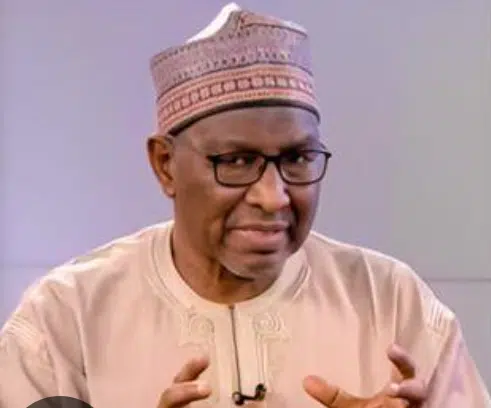
A former federal lawmaker, Usman Bugaje, has criticised the Independent National Electoral Commission (INEC), accusing the electoral body of exceeding the authority granted to it under Nigeria’s electoral laws.
Speaking during an interview on Channels Television’s Politics Today, Eko Hot Blog gathered that Bugaje reacted to a recent ruling by Justice M. G. Umar, which he said had helped clarify the limits of INEC’s regulatory powers ahead of elections.
EDITOR’S PICK
- Gov. Alex Otti Says Slashed State Debt by 60%, Completes 414 Roads In Few Years
- Nwoko Rejects APC Delta North Primary Result, Claims Victory Over Okowa
- Lagos Expands Infrastructure at Agbowa Timberville Project in Epe
He explained that the court decision served as a legal interpretation of the Electoral Act, particularly Section 29, which defines the extent of INEC’s involvement in party affairs while allowing political parties sufficient time to organise their internal processes.
According to Bugaje, the ruling effectively drew a boundary around the commission’s actions, warning against what he described as excessive interference in the internal affairs of political parties.
He further argued that INEC’s recent conduct appeared to go beyond regulation, suggesting that the commission was increasingly acting in a way that could influence political competition, especially within opposition parties.
Bugaje maintained that such actions risk undermining neutrality, insisting that an electoral umpire should not be seen as influencing party structures or internal decisions.
He also noted that the judgment addressed the commission’s earlier directive on timelines, stating that the 120-day period initially communicated by INEC had now been adjusted, extending compliance deadlines to September for political parties.
In his view, the court intervention was necessary to ensure that electoral guidelines remain consistent with the law and do not place undue pressure on political actors.
Bugaje added that the ruling reinforced the expectation that INEC must operate strictly within its constitutional mandate, without drifting into roles reserved for political stakeholders.
He stressed that the essence of the judgment was to preserve fairness in the electoral process and ensure that all parties are given equal opportunity to prepare for elections under clear legal timelines.