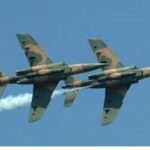
- Israeli fighter jets targeted three key airports in Tehran, Bahram, Mehrabad, and Azmayesh, striking military infrastructure and aircraft in a bid to degrade the Iranian Air Force.
- Major General Majid Khademi, the Revolutionary Guards’ intelligence chief previously sanctioned by the U.S. for suppressing internal protests, was killed in a dawn airstrike.
- The operation follows a series of targeted strikes that have reportedly eliminated a significant portion of Iran’s top political and military leadership, including the Supreme Leader, since the onset of the conflict.
The Israeli military confirmed on Monday that it conducted a series of intensive overnight airstrikes across Tehran, focusing on the capital’s aviation infrastructure.
Eko Hot Blog reports that dozens of fighter jets were deployed to strike Bahram Airport, Mehrabad Airport, and Azmayesh Airport. According to military statements, Mehrabad Airport was a primary target due to its role as a logistics hub for the IRGC’s Quds Force, allegedly used to funnel weapons and financial resources to regional proxies.
EDITOR’S PICKS
- Judge Frees 37 Inmates Over Prolonged Detention in Akwa Ibom
- Trump Threatens Iran Over Energy Attacks
- Tinubu Excludes Kemi Badenoch from UK State Visit Itinerary
The operation is part of a broader campaign aimed at neutralizing the operational capabilities of the Islamic Republic Revolutionary Guards (IRGC) air force.
The dawn strikes also resulted in the death of Major General Majid Khademi, the head of the IRGC’s intelligence branch. Khademi, who was promoted to the position last year after his predecessor was killed in a previous engagement, was a controversial figure who had been sanctioned by the U.S. Treasury.
His leadership was associated with the violent suppression of nationwide protests in January, a crackdown that human rights groups claim resulted in thousands of deaths.
The IRGC has since paid tribute to Khademi, acknowledging his role in securing the Islamic Republic against “foreign enemies” and “sinister plans.”
This latest escalation highlights a persistent “decapitation strategy” employed by U.S. and Israeli forces during this war.
Reports indicate that the offensive has taken a heavy toll on the Iranian leadership, claiming the lives of the Supreme Leader Ali Khamenei, the IRGC commander-in-chief Mohammad Pakpour, and several other high-ranking officials including the head of the naval branch and the Basij militia.
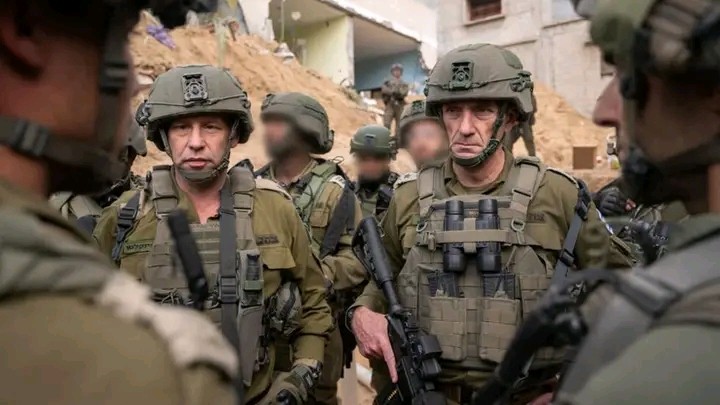
Despite these losses, the Iranian government has demonstrated a rapid ability to replace fallen leaders, with former interior minister Ahmad Vahidi stepping in to lead the Guards.
As the conflict intensifies, the regional fallout continues to spread. Reports from Kuwait indicate that residential areas have been impacted by Iranian retaliatory measures, while the White House suggests that a potential ceasefire deal remains unsigned.
The Israeli military maintains that these strikes are essential to prevent the destabilization of regional peace, though the Islamic Republic remains resilient in its military posture.