There is a Nigerian woman you know. She is up before the rest of the house, thinking through the day before it has even started. She has a meeting at nine, a deadline by noon, and somewhere in between, she will remember to follow up on something that everyone else forgot. By the time the day is over, she will have done the work of several people, answered for things that were never entirely her responsibility, and found a way to smile through most of it. She is not extraordinary in the way that headlines like to describe. She is ordinary, in the very best sense of the word. And she is everywhere.
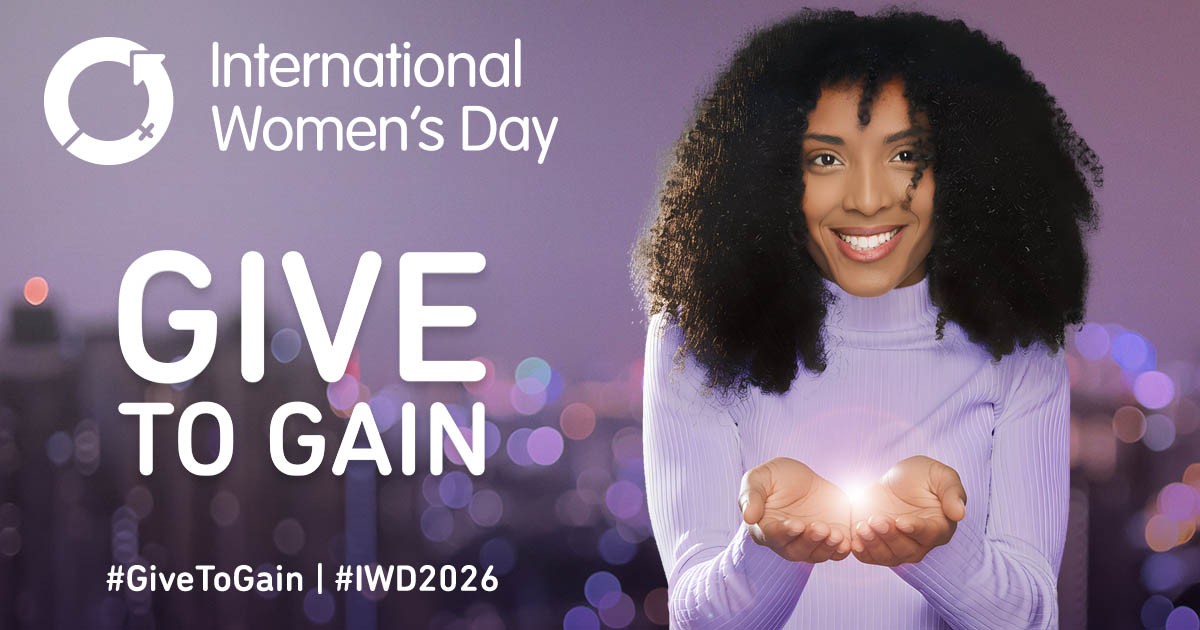
This International Women’s Day, the conversation is about giving to gain; the idea that when we invest in women, we do not just improve their lives. We improve everything around them. In Nigeria, that is not a theory. It is something the country has been quietly proving for generations.
EDITOR’S PICKS
Nigerian women have always worked. The trader who has been at her spot since dawn, reorganising her stall and extending credit to customers she has known for years, is running a business. The teacher who stays after hours to mark scripts and follow up on struggling pupils is shaping the next generation. The woman managing a team of fifteen while navigating the politics of a male-dominated industry is doing what leaders do; she just rarely gets called one.

Across every sector and every income level, Nigerian women are not just participating in the economy. In many cases, they are holding it together.
And yet the giving has largely been one-directional. Women in formal employment still earn less than their male counterparts for the same work. They are more likely to be passed over for promotion, less likely to access financing for their businesses, and more likely to carry the weight of home and family on top of a full working day. The Nigerian woman gives generously to her workplace, her household, her community, and too often receives the least in return.
What is striking, though, is not the burden. It is what she builds in spite of it. The Nigerian woman has a particular genius for turning constraint into creativity, for making something meaningful with whatever she has, in whatever space she is given. She mentors younger women without announcement. She shows up for her community in ways that are rarely counted but always felt. She carries grief and pressure and exhaustion, and still finds a way to be present for the people who need her.
Imagine, then, what she could do with more: more support, more access, more of the recognition she has long been owed.

That is exactly what “give to gain” is pointing at. When a woman is paid fairly, she reinvests in her family. When she is promoted into leadership, she opens doors for others. When she is supported at home, she brings more of herself to everything she does outside of it. Giving to women is not charity. It is one of the smartest things any household, organisation, or country can do.
So this IWD, beyond the graphics, WhatsApp status, X posts, and the goodwill, the ask is simple. Pay the women around you fairly. Advocate for them when they are not in the room. Share the load at home without being asked. Mentor a younger woman who is still finding her footing. Notice the ones who are quietly doing too much, and say something.
The Nigerian woman does not need saving. She needs to be seen, supported, and given the same room to grow that she has always made for others.
FURTHER READING
Give to her. Watch what she does with it.
Philip Ibitoye is a Special Correspondent with EKO HOT BLOG. Click here to find daily analysis and critical insight on trending issues in Lagos and other parts of Nigeria.
Click to watch the video of the week below: