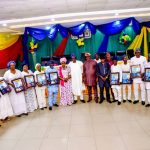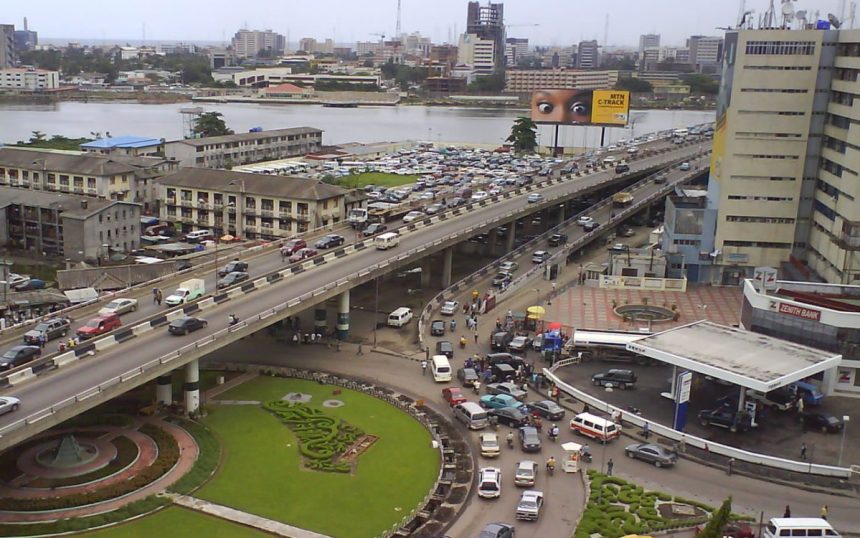
Lagos State hosted the first-ever Liberia–Nigeria Trade & Investment Forum on Wednesday at Lagos Continental Hotel, Victoria Island, and Governor Babajide Sanwo-Olu wants the two countries to turn years of friendly relations into real business deals.
The event brought Liberia’s Foreign Affairs Minister, Sara Beysolow Nyanti, and Commerce Minister, Magdalene Dagoseh, to Lagos, alongside Liberia’s ambassador to Nigeria, John Akel Ballout Jr. Nigeria’s side included officials representing the Ministry of Foreign Affairs and the Ministry of Industry, Trade and Investment.
EDITOR’S PICKS
Sanwo-Olu, represented by Commerce Commissioner Folashade Bada Ambrose-Medebem, pointed to a number that should worry both countries: Nigeria’s exports to Liberia hit just $21 million in 2024. That’s tiny for two nations with deep historical and cultural ties.
Why Lagos Says It’s the Right Anchor
The governor’s pitch was: treaties get signed in capital cities, but trade actually happens in cities like Lagos. He backed this up by noting Lagos’s economy is worth about $59 billion in purchasing power terms, making it Africa’s second-largest city economy.
He laid out four areas Lagos wants to focus on: easier maritime trade and customs, investment in agriculture, mining, energy, tourism and infrastructure, tech and skills exchange, and stronger ties between Lagos agencies and their Liberian counterparts.
His closing line captured his government’s intent: Lagos is open for business, open to Liberia, and open to shared prosperity across West Africa.
What Liberia Brought to the Table
Nyanti made the case that Liberia, despite its size, has real assets, including a coastline holding 40 percent of Africa’s rainforest and the world’s largest ship registry. Her argument was that government alone can’t create jobs; it can only build the environment for the private sector to do that work.
She singled out Eko Atlantic City, built from what used to be Bar Beach, as proof of what’s possible when a country commits to a big infrastructure vision and said Liberia wants to attempt something similar.
Commerce Minister Dagoseh talked up reforms already underway back home: digitising business registration, decentralising the Liberia Business Registry, and a trade finance project that has already backed 250 small and medium businesses, many run by women and young people. Her message to investors: Liberia is open for business.
Nigerian officials framed the opportunity around three pillars: agro-processing, fintech and digital trade, and manufacturing tied to special economic zones. One official put it memorably — the two countries aren’t competitors, they’re missing pieces of the same puzzle.
The forum wrapped with both sides agreeing to move past speeches and toward action — new memoranda of understanding tied to the African Continental Free Trade Area, new factories, new shipping routes, and jobs on both sides of the water.
FURTHER READING
Whether any of this translates into real investment will depend on what comes after the handshakes. Lagos has made its case as the natural gateway for Nigerian-Liberian trade. Now the follow-through — the MOUs, the factories, the shipping lanes — is what will show if this forum was a turning point or just another photo opportunity.
Philip Ibitoye is a Special Correspondent with EKO HOT BLOG. Click here to find daily analysis and critical insight on trending issues in Lagos and other parts of Nigeria.
Click to watch the video of the week below: