- Lagos Trains SDG Champions On Data-Driven Development
- Finnih said accurate information could expose gaps in sectors such as education, transportation infrastructure and waste management
- Ojo challenged participants to consider how the information they collect could influence development outcomes for future generations
The Lagos State Government has urged Sustainable Development Goals (SDGs) Champions across its institutions to transform reliable data into practical actions capable of improving public service delivery and accelerating development across the state.
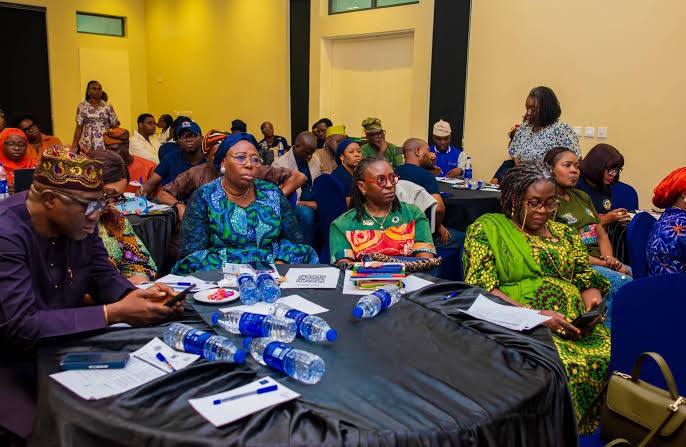
Eko Hot Blog reports that the call was made at the Annual SDGs Champions’ Capacity Building Workshop held at Protea Hotel, CBD, Alausa, Ikeja, with the theme, “From Data to Action: Using Voluntary Local Review to Drive the SDGs.”
EDITOR’S PICK
- Mr. President, Osun Has Warned You: The Abuja Boys May Not Know the People
- How Lagos Is Raising a New Generation of ‘Eco Heroes’
- Beyond the Glamour: The Hidden Price Celebrities Pay for Looking Perfect
The workshop brought together SDG focal officers and other strategic stakeholders from various Ministries, Departments and Agencies (MDAs) to strengthen their capacity in data collection, analysis, reporting and evidence-based planning.
The Special Adviser to the Governor on SDGs, Dr. Oreoluwa Finnih, described reliable data as a critical tool for effective governance, saying it enables government to identify areas of need and allocate resources based on actual conditions.
Finnih said accurate information could expose gaps in sectors such as education, transportation infrastructure and waste management, while helping government avoid unnecessary spending and channel resources to areas requiring urgent intervention.
She acknowledged that collecting reliable data requires resources and commitment but stressed that it remains essential to improving the lives of residents.
Finnih also highlighted Lagos State’s achievement in conducting 2 Voluntary Local Reviews (VLRs), describing the reports as an important milestone in assessing the state’s progress towards achieving the SDGs at the sub-national level.
She also acknowledged the support of the Senior Special Assistant to the President on SDGs, Princess Adejoke Orelope-Adefulire.
The Permanent Secretary, Office of Sustainable Development Goals, Mrs. Kaphayah Olayemi Sarumi, said sustainable development required strong local ownership and practical implementation at the community level.
Sarumi said Lagos had spent the past 3 years building structures and systems to support SDG implementation, stressing that attention must now shift increasingly towards execution and measurable outcomes.
She urged SDG Champions to identify gaps within their respective areas, including public health, quality education, gender equity, environmental management and good governance.
According to her, identifying operational challenges would help ensure that government policies and programmes reflect the realities experienced by residents.
The Permanent Secretary encouraged participants to make effective use of available data to strengthen decision-making and improve service delivery.
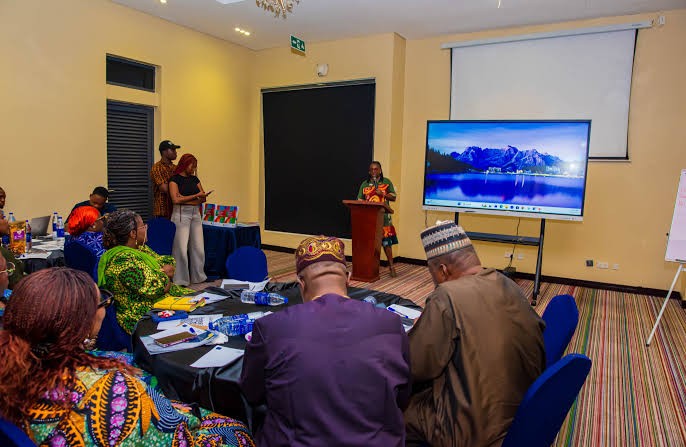
Also speaking, the Permanent Secretary, Ministry of Economic Planning and Budget, Mrs. Olayinka Modupe Ojo, stressed the importance of data integrity in achieving sustainable development.
Ojo challenged participants to consider how the information they collect could influence development outcomes for future generations, particularly through the implementation of the Lagos State Development Plan (LSDP) 2052.
She cautioned that inaccurate data and administrative errors could negatively affect government decisions on hospitals, schools, roads and other public infrastructure.
Ojo urged data stakeholders across MDAs to review their reporting templates and maintain high standards when collecting and submitting information.
She also advocated a human-centred approach to data collection, stressing that information gathered by government should ultimately translate into policies and programmes that improve people’s lives.
The workshop provided participants with practical tools for analysing sector-specific data and identifying operational bottlenecks affecting development programmes.
Participants were also guided on how findings from Voluntary Local Reviews could be translated into actionable policy recommendations to address identified development gaps.
The state government said the workshop formed part of its broader efforts to strengthen institutional capacity for SDG implementation and promote the use of evidence in planning, budgeting and public service delivery.
It added that stronger data systems would improve accountability, enable government to measure the impact of its programmes and support more targeted interventions in education, healthcare, infrastructure, environmental sustainability and governance.
The workshop ended with a renewed call for SDG Champions and public institutions to move beyond data collection and focus on using reliable information to deliver measurable improvements in the lives of Lagos residents.