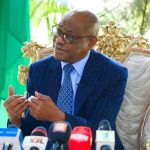
- The Minister of Marine and Blue Economy, Adegboyega Oyetola, revealed that agencies under the ministry generated N1.83 trillion in 2025, representing a massive 160% increase from the N700.79 billion recorded in 2023.
- Plans have been concluded to float a new national shipping carrier with the support of international partners, aimed at reducing the estimated $9 billion annual loss to foreign vessels carrying Nigerian cargo.
- Local fish production saw a boost from 1.1 billion metric tonnes to 1.4 billion metric tonnes in 2025, though it still remains below the national annual requirement of 3.6 billion metric tonnes.
Nigeria’s maritime sector is witnessing a historic financial transformation, with revenue figures skyrocketing by 160% in just two years.
Eko Hot Blog reports that speaking at the 2026 1st Quarter Citizens/Stakeholders Engagement in Lagos on Thursday, April 2, Minister Adegboyega Oyetola attributed the N1.83 trillion haul to aggressive reforms aimed at blocking leakages and strengthening regulatory oversight.
EDITOR’S PICKS
- Judge Frees 37 Inmates Over Prolonged Detention in Akwa Ibom
- Trump Threatens Iran Over Energy Attacks
- Tinubu Excludes Kemi Badenoch from UK State Visit Itinerary
The Minister emphasized that the leap from 2023’s N700.79 billion to the current N1.83 trillion is a direct result of transparency and the “Renewed Hope” agenda of President Bola Tinubu.
These funds are being channeled into building institutions that are not only efficient but financially sustainable for the long term.
Oyetola announced significant progress toward floating a new national shipping carrier.
This initiative, supported by reputable international partners, aims to address a structural deficit highlighted by industry experts.
Greg Ogbeifun, CEO of Starz Maritime, noted during the event that Nigeria currently loses between $8 billion and $9 billion annually to foreign-owned ships.
The new carrier, alongside the Cabotage Vessels Financing Fund, is expected to reposition Nigeria as a leading maritime gateway in Africa, modernizing existing ports and opening new economic corridors.
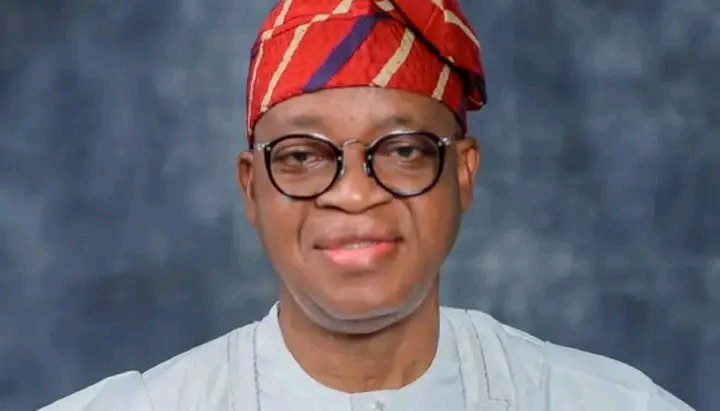
The Blue Economy is also making waves in the fisheries sector. While Nigeria still faces a deficit in fish production, the increase to 1.4 billion metric tonnes in 2025 shows an upward trajectory.
The government is currently developing specialized fishery ports and terminals to further bridge the gap and reduce reliance on imports.
Oyetola maintained that port modernization remains a “transformative intervention” that will reduce vessel turnaround time and lower the cost of doing business across the country.
With approval already granted for new deep-seaports, the ministry is looking to expand Nigeria’s maritime capacity to meet global standards.