
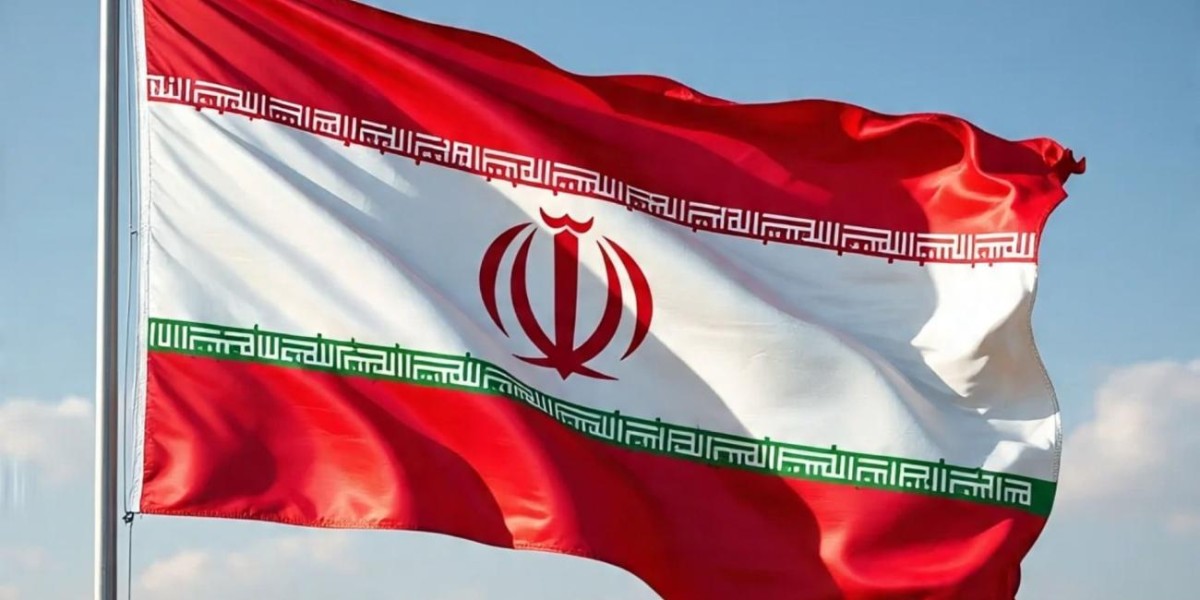
- Iran has launched a fresh wave of ballistic missiles and drones targeting the United Arab Emirates (UAE), marking a major expansion of the current regional war.
- While air defense systems intercepted most threats, debris struck an industrial area in Abu Dhabi, causing fires and injuries.
- The attacks have immediately disrupted shipping routes and sent global oil prices surging, as fears grow of a prolonged conflict in the world’s most critical energy corridor.
The Middle East moved closer to a full-scale regional war on Saturday, March 28, 2026, as Iran launched a coordinated barrage of missiles and drones toward the United Arab Emirates.
Eko Hot Blog reports that the UAE government confirmed that its air defense systems were activated across the country to intercept the incoming threats.
EDITOR’S PICKS
- Judge Frees 37 Inmates Over Prolonged Detention in Akwa Ibom
- Trump Threatens Iran Over Energy Attacks
- Tinubu Excludes Kemi Badenoch from UK State Visit Itinerary
Despite successful interceptions, authorities reported that falling debris from ballistic missiles hit an industrial zone in the capital, Abu Dhabi, resulting in several injuries and localized fires.
This direct strike on the UAE follows weeks of intensifying hostilities involving Iran, the United States, and Israel.
Tehran has framed these actions as a “heavy price” for joint U.S.-Israeli operations that recently targeted Iranian military and nuclear infrastructure.
Analysts warn that the scope of the attack utilizing both high-speed missiles and loitering munitions, suggests an increasingly sophisticated and aggressive strategy from the Islamic Republic.
The UAE is not the only nation under fire; similar drone and missile activities have been reported across Saudi Arabia, Bahrain, and Kuwait.
In a rare display of unity, Gulf nations issued a joint communique condemning the strikes as a direct threat to global stability and a trigger for a much larger confrontation.
The statement specifically called out Iran’s use of allied militias and proxy groups to target civilian and strategic infrastructure across the Gulf.
The economic repercussions were felt almost instantly on Saturday. Shipping lanes in the Persian Gulf, vital for the movement of global energy supplies, have seen significant disruptions as insurance rates for vessels skyrocket.
With oil prices trending higher and international markets on edge, the risk of the conflict spiraling beyond its current front lines remains at an all-time high.
Residents across the Gulf states have been urged to remain vigilant as the regional security apparatus stays on high alert for further waves of attacks.