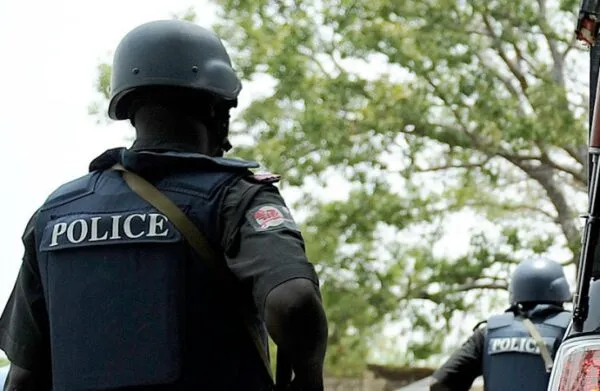
The head of the Nigeria Police Force’s internal complaints unit has thrown his weight behind a landmark court ruling affirming Nigerians’ constitutional right to film officers on duty, a development that, on paper, marks a significant shift in how the force approaches accountability.
But with reports of police abuse continuing to surface weeks into Inspector-General Tunji Disu’s reform-minded tenure, the gap between institutional rhetoric and street-level reality remains stubbornly wide.
EDITOR’S PICKS
In a LinkedIn post on Monday, Anietie Iniedu, a chief superintendent of police and head of the Complaint Response Unit (CRU), described the March ruling by Justice H. A. Nganjiwa of the Federal High Court in Warri as “transformative.”
The judgement established that officers must wear visible name tags, display their force numbers, and cannot harass, arrest, or confiscate devices from citizens recording their activities in public.
The court also awarded Maxwell Uwaifo, who filed the public interest suit, N7 million in damages and litigation costs. For Iniedu, the ruling does more than settle a legal question — it hands the CRU a judicial mandate to treat video footage as legitimate evidence and pivot from reactive complaint-handling to proactive oversight.
That is a meaningful institutional signal. The Nigeria Police Force had already stated in December 2023 that recording officers is not an offence, but that position lacked the force of a court order. Now it has one.
Disu’s Reform Agenda and Its Early Tests
Inspector-General Disu has moved quickly to set a new tone.
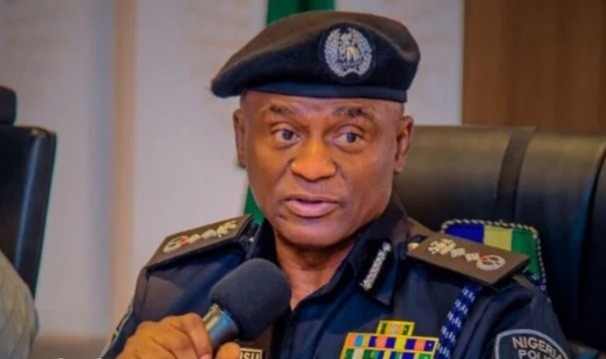
His directive reining in tactical units and cracking down on extrajudicial conduct signalled an intent to dismantle the culture of impunity that has long defined Nigeria’s policing crisis.
Iniedu’s endorsement of the Warri ruling aligns with that agenda. The CRU, he noted, now has judicial backing to maximise its oversight capacity, bolstered by UNODC support and United States funding.
The architecture of reform, in other words, is beginning to take shape.
Body cameras, mandatory name tags, video evidence as documentation, and consequence-certain discipline are not radical ideas, they are baseline standards in functional police forces. That police are now openly embracing them, with court backing, is progress that deserves acknowledgement.
The Street Tells a Different Story
Yet the footage keeps coming. In recent weeks, videos of officers harassing civilians during stop-and-search operations have circulated widely, including a tense Lagos confrontation involving a driver wearing smart glasses. The police condemned the officer and promised disciplinary action, a response that itself reflects a changed institutional reflex. But condemnation without consistent consequence is a pattern Nigerians have seen before.
Iniedu himself put it plainly: officers who assault citizens for recording reveal fear of accountability, not security concerns. That fear points to something deeper than policy gaps — it reflects a workforce shaped by years of impunity, inadequate training, and a complaints system that historically protected bad actors more than victims.
Structural rot of that scale does not yield to court orders alone. The CRU operates across all 36 states and the FCT, but its effectiveness depends on officers actually facing consequences, not just condemnation. Mandatory training, as Iniedu advocates, is necessary, but training without enforcement is theatre.
Disu’s era-of-impunity declaration was the right opening line. The Warri ruling provides the legal scaffolding. What follows, whether officers are actually disciplined, whether the CRU’s expanded capacity translates to real accountability, whether the next viral video of police abuse prompts consequences rather than press statements, will determine whether this reform moment is real or another chapter in a long story of deferred change.
FURTHER READING
Nigerians have been promised a better police force before. And everyone will be hoping for the best.
Philip Ibitoye is a Special Correspondent with EKO HOT BLOG. Click here to find daily analysis and critical insight on trending issues in Lagos and other parts of Nigeria.
Click to watch the video of the week below: