- The Presidency has strongly criticized former presidential candidate Peter Obi over his remarks concerning Nigeria’s delegation to the African CEO Forum in Rwanda and President Bola Tinubu’s foreign travels, describing his stance as mere populism.
- Defending the trip to Kigali, the administration revealed that the Nigerian entourage consisted of top industrial captains, including Aliko Dangote, Abdul Samad Rabiu, Tony Elumelu, Wale Tinubu, and Jim Ovia.
- The executive arm emphasized that real diplomacy goes beyond flashy headlines or staged photo-ops, focusing instead on building long-term investor confidence, securing trade partnerships, and driving economic recovery.
The ongoing political debate over the economic value of President Bola Tinubu’s foreign engagements escalated on Saturday, May 16, 2026, as the Presidency issued a strong rebuttal targeting the criticisms raised by Labour Party chieftain Peter Obi.
Eko Hot Blog reports that the conflict was triggered by Obi’s recent assertions that Nigeria’s international diplomacy was becoming overly ceremonial and failing to translate into immediate, measurable economic relief for the citizenry.
EDITOR’S PICK
- Fresh Details Emerge on Death of Odomola Monarch, Oba Adebowale Adeshina
- Sanwo-Olu Applauds LASU’s Academic Excellence After JAMB Ranking
- NRC Moves 176,820 Tonnes Of Cargo Through Lagos Ports In Q1
Responding via an official statement, the Special Assistant to the President on Social Media, Dada Olusegun, accused Obi of choosing sensational populism over verifiable facts.
The administration clarified that the delegation sent to the African CEO Forum in Kigali was not an assembly of tourists but a strategic team composed of Nigeria’s primary industrial leaders.
By featuring prominent business moguls like Aliko Dangote, Tony Elumelu, and Abdul Samad Rabiu, the Presidency argued that Nigeria effectively demonstrated its commercial readiness on the continental stage.
The statement further defended the administration’s broader foreign policy, asserting that sustained international engagements have successfully yielded critical investment commitments across energy, technology, agriculture, and manufacturing sectors.
Pushing back against comparisons to Western diplomatic frameworks, the Presidency noted that criticisms regarding presidential travel arrangements and delegation sizes frequently lack proper context regarding constitutional and security requirements.
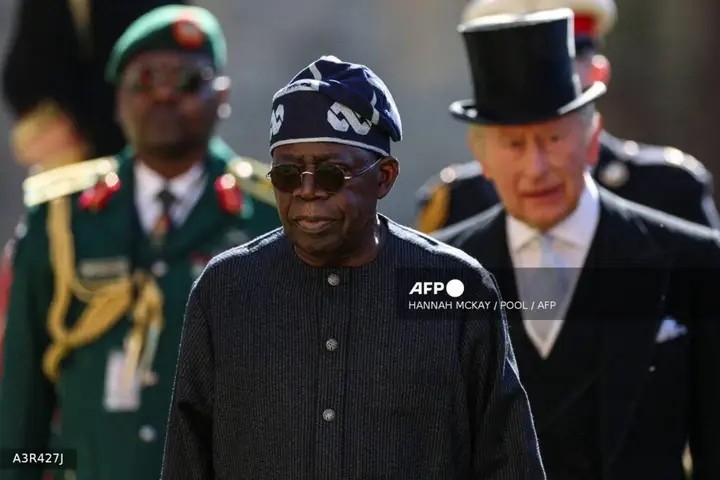
Olusegun maintained that major structural reforms, such as the unification of the foreign exchange window, fuel subsidy removal, and the introduction of the compressed natural gas (CNG) initiative, are already steering the country toward recovery.
The release concluded with a sharp political swipe at Obi’s political consistency, advising the opposition leader to prioritize national stability over partisan commentary.