- The United States Government has begun enforcing strict visa restrictions against individuals and officials linked to violations of religious freedom, particularly targeting those involved in atrocities in Nigeria.
- Following a deteriorating security advisory, the U.S. Embassy in Abuja has suspended visa appointment services, authorizing non-emergency personnel and their families to depart the country.
- Under Section 212(a)(3)(C) of the Immigration and Nationality Act, these restrictions extend to the immediate family members of those found to have authorized, funded, or participated in religious persecution.
The United States has issued a stern warning to religious fanatics and complicit government officials, declaring them unwelcome on American soil.
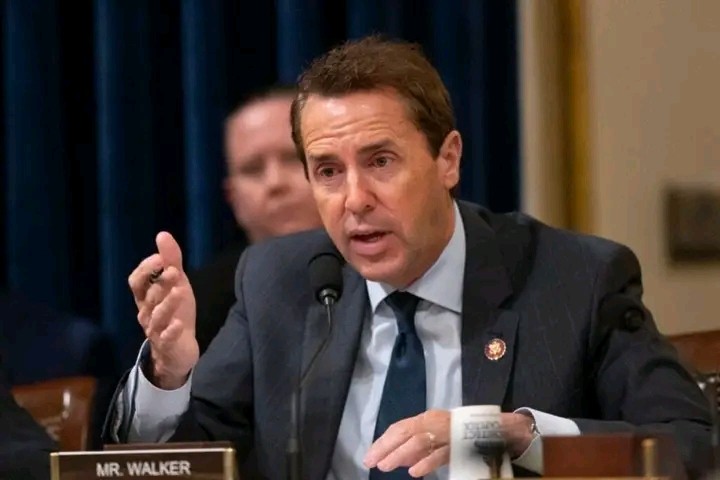
Mark Walker, the U.S. Principal Advisor for Global Religious Freedom, confirmed on Sunday, April 12, 2026, that the State Department has already begun executing a policy to bar perpetrators of religious violence.
EDITOR’S PICKS
- Judge Frees 37 Inmates Over Prolonged Detention in Akwa Ibom
- Trump Threatens Iran Over Energy Attacks
- Tinubu Excludes Kemi Badenoch from UK State Visit Itinerary
This move follows an earlier announcement by Secretary of State Marco Rubio, signaling a zero-tolerance approach toward those who direct or support the persecution of religious groups.
Eko Hot Blog reports that the policy specifically cites the ongoing violence in Nigeria, referencing mass killings and atrocities committed by radical terrorists and ethnic militias.
The U.S. State Department emphasized that the Trump administration will not remain idle while innocent Christians and Muslims are targeted.
“If you engage in persecution, you are not welcome in America,” Walker stated, adding that keeping such individuals out is essential to the safety of the U.S. homeland.
The restrictions are designed to hold accountable both non-state actors and government officials whose inaction or complicity enables such violence.
This diplomatic escalation coincided with a significant shift in the U.S. presence within Nigeria.
On April 9, 2026, the U.S. Mission in Nigeria shuttered visa appointment services at its Abuja embassy. This closure followed a Level 3 travel advisory urging Americans to reconsider travel to Nigeria due to escalating threats of kidnapping, terrorism, and civil unrest.
While the consulate in Lagos remains open for limited services, the withdrawal of non-essential staff from Abuja underscores Washington’s deepening concern over the country’s internal stability.
Lobbying firms and international observers have praised the move, noting that it sends a clear message to the Nigerian leadership regarding the protection of its citizens and the integrity of its democratic processes.
As the 2027 election cycle approaches, the U.S. has hinted that officials seeking to undermine the electoral will of the people or those failing to address insecurity will face similar accountability.
For now, the message from Washington is unequivocal: those who foster religious hate and violence have forfeited their privilege to enter the United States.