- Trump signed new orders targeting birthright citizenship
- The measures focus on birth tourism and limited exceptions
- Legal challenges are expected over the new directives
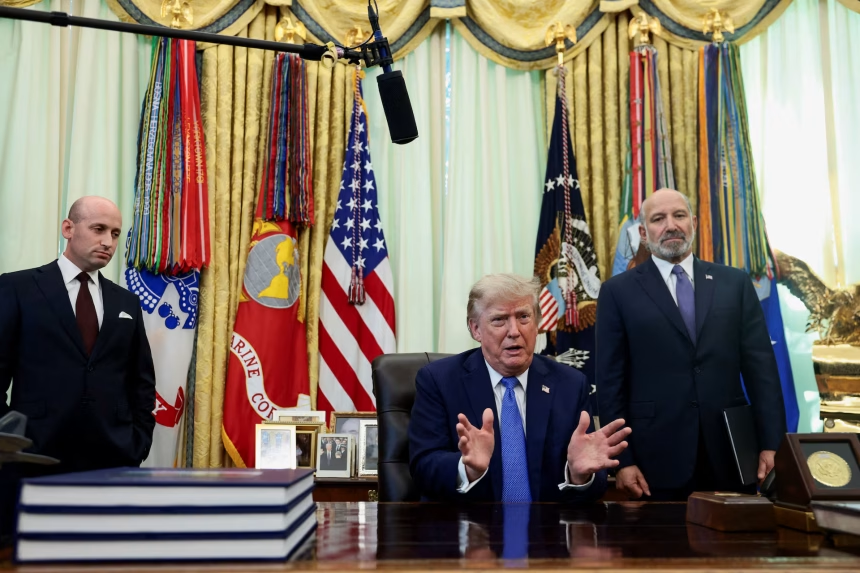
U.S. President Donald Trump has signed two new executive orders aimed at restricting birthright citizenship, renewing his administration’s push to tighten immigration rules despite a recent Supreme Court decision rejecting a broader attempt.
Eko Hot Blog reports that the orders, signed on Thursday, focus on limiting citizenship in specific situations, including so-called “birth tourism,” where pregnant foreign nationals travel to the United States to give birth in order to secure U.S. citizenship for their children.
EDITOR’S PICK
- APC Youth Wing Opens Applications for 2026 Zacch Adedeji Taxation, Fiscal Policy Fellowship
- ‘Make Him President, Let’s See If Nigerians Become Millionaires’ – Presidency Mocks Obi
- Super Falcons Shift Focus to Zambia Clash After Malawi Defeat
The White House argued that the new directives differ from the executive order struck down by the Supreme Court on June 30, maintaining that they seek to redefine existing historical exceptions to automatic citizenship rather than broadly denying citizenship to children born in the country.
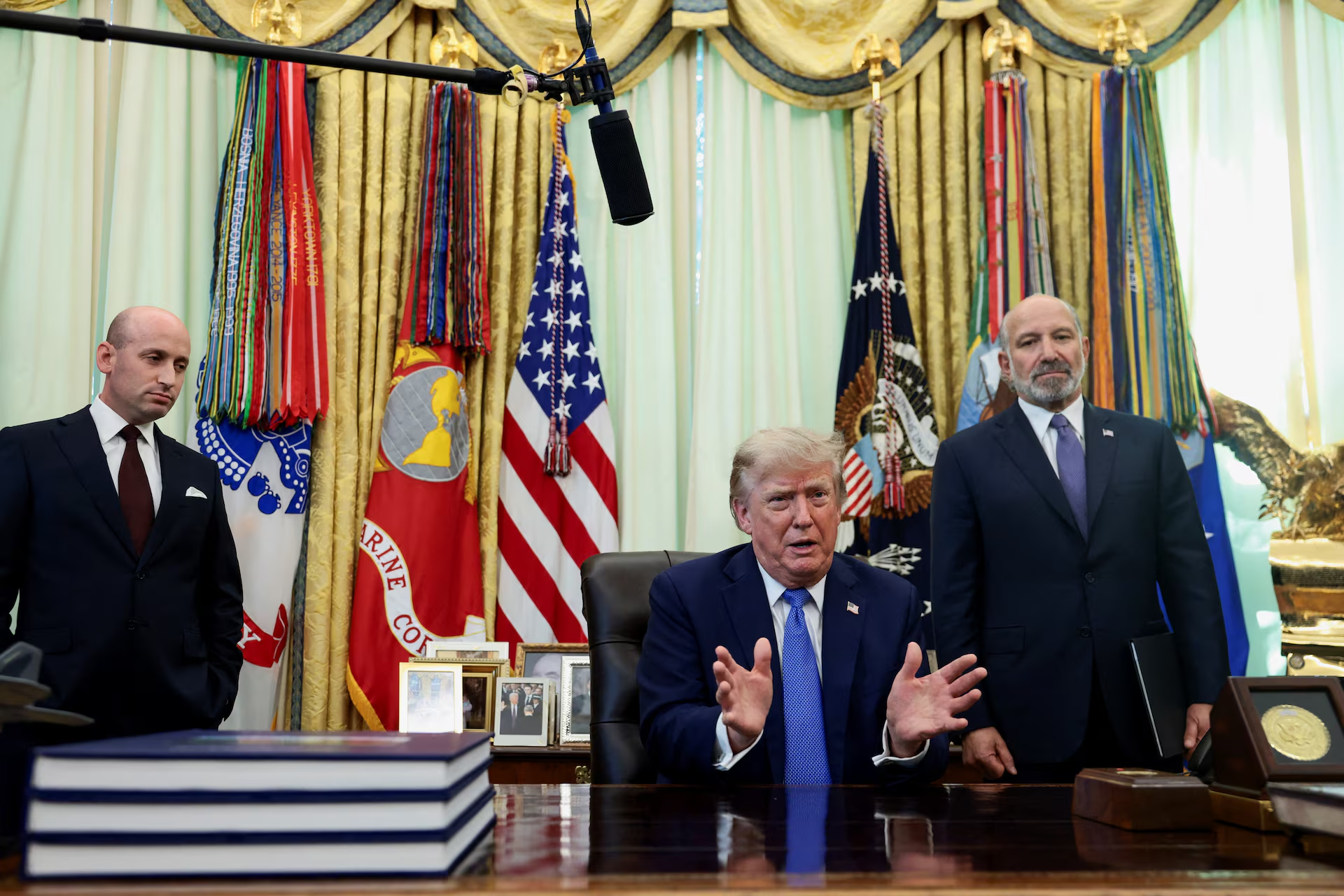
White House Deputy Chief of Staff Stephen Miller said the measures officially end the practice of birth tourism, describing it as an abuse of the U.S. immigration system.
According to a 2020 estimate by the Center for Immigration Studies, between 20,000 and 25,000 women travelled to the United States for birth tourism during a one-year period between 2016 and 2017. The U.S. recorded about 3.6 million births in 2025.
Beyond birth tourism, the executive orders also target children born to foreign government officials stationed in the United States and children of individuals classified as “alien enemies.” The measures could also affect U.S. territories if Congress passes proposed legislation to end automatic citizenship there.
Trump’s latest action follows the Supreme Court’s ruling that his earlier executive order exceeded constitutional limits. That previous directive sought to deny citizenship to children born in the United States if neither parent was a U.S. citizen or lawful permanent resident.
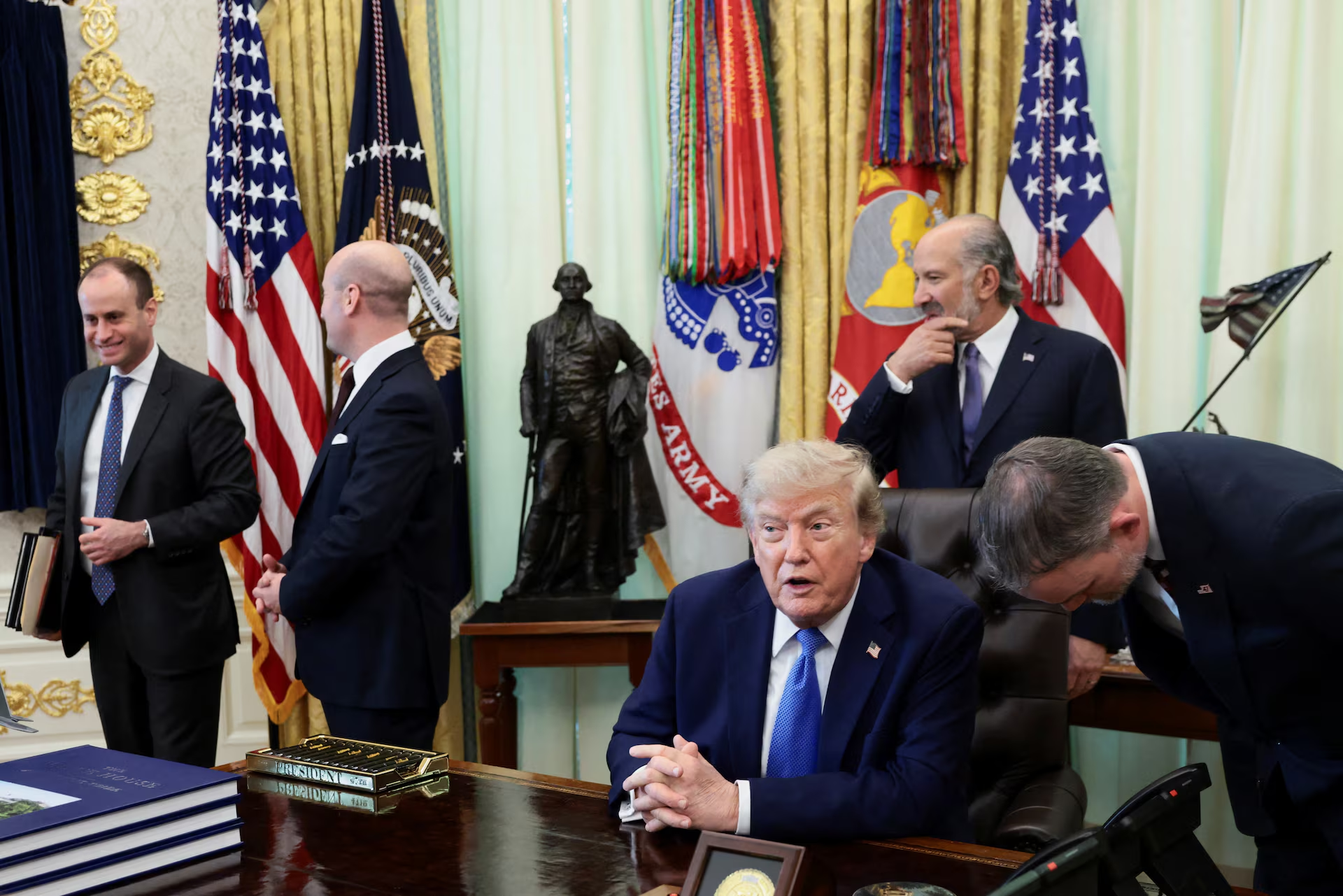
Speaking during the signing ceremony at the White House, Trump criticised the court’s decision, calling it “very unfortunate” and accusing some foreigners of exploiting birthright citizenship through organised birth tourism.
He argued that the constitutional provision was originally intended to protect the children of formerly enslaved people after the Civil War, not to grant citizenship in circumstances he considers abusive.
Legal experts expect the new executive orders to face immediate court challenges. Civil rights groups and immigration advocates argue that the measures attempt to sidestep the Supreme Court’s ruling and remain inconsistent with the Constitution.
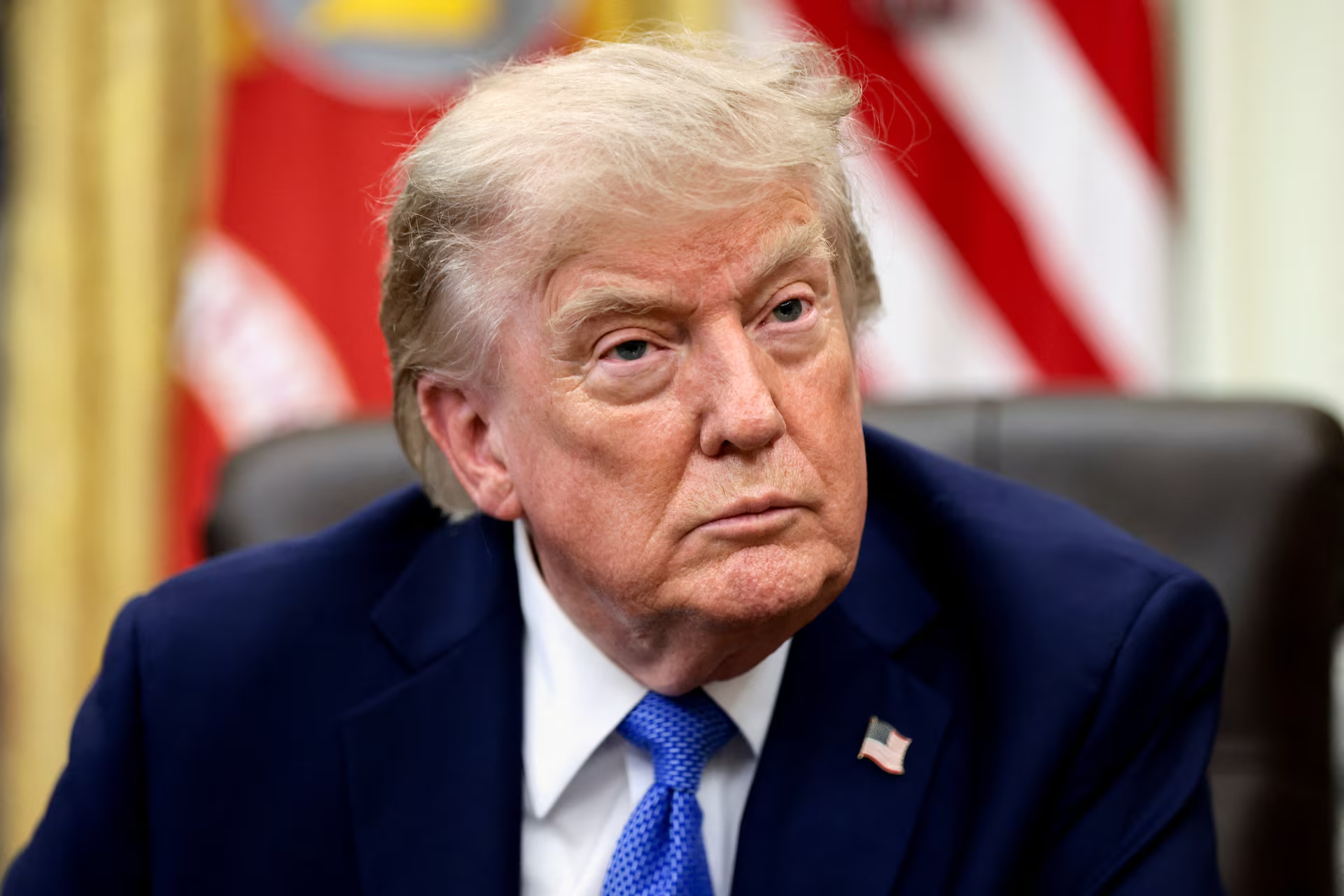
The American Civil Liberties Union (ACLU) predicted the new policy would ultimately be struck down, while advocacy organisations warned the orders could negatively affect pregnant women seeking lawful entry into the United States.
The Citizenship Clause of the 14th Amendment states that all persons born or naturalised in the United States and subject to its jurisdiction are citizens of the country.
For decades, U.S. courts have interpreted the clause to apply broadly, with only limited exceptions such as children of foreign diplomats or members of hostile occupying forces.
The administration’s latest move is expected to trigger another legal battle over the constitutional limits of presidential authority on citizenship and immigration policy.
FURTHER READING