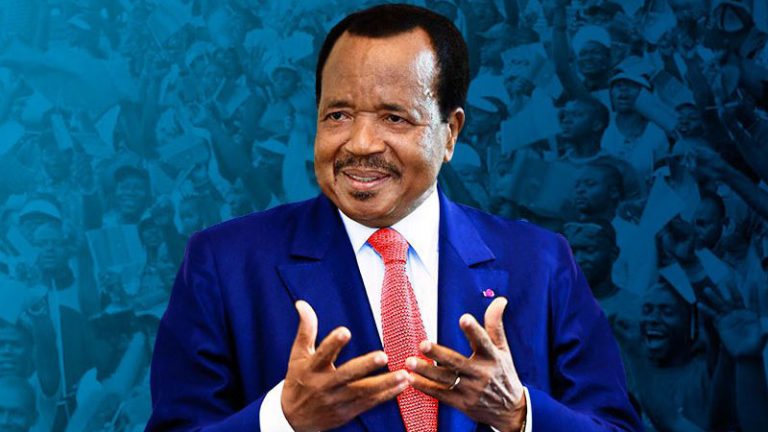
When Cameroon’s Constitutional Council announced 92-year-old Paul Biya as winner of the country’s latest presidential election, there was little surprise, only resignation.
Biya, who has ruled since 1982, will now serve an eighth consecutive term, keeping his title as the world’s oldest serving president. His victory, secured with 53.66 percent of the vote amid violent protests and allegations of fraud, reflects the deep-rooted nature of autocracy in parts of Africa where political succession has become almost mythical.
EDITOR’S PICKS
Cameroon’s opposition candidate, Issa Tchiroma, 76, himself a former spokesperson for Biya, denounced the results as “falsified and distorted.” Protests erupted, four people were killed in clashes with security forces in Douala, and over 100 were arrested.
Yet, Biya remains firmly in control — rarely seen in public, often governing from abroad, and still shaping the destiny of over 27 million people from the comfort of his long rule.
Why Nigeria Remains the Exception
By contrast, Nigeria’s democracy, despite its imperfections, offers something that Cameroon’s citizens can only dream of the real possibility of change.
Whatever frustrations Nigerians feel toward their leaders, they live under a constitution that limits presidential tenure to two four-year terms. That simple clause, often taken for granted, is one of the country’s most powerful safeguards against life presidency.
It is this constitutional restraint that allows Nigerians to express anger, to protest, and to hope all within the framework of a system that still holds the promise of renewal. It is why, despite complaints about the electoral process, there remains a legitimate expectation that a government can be voted out. The Biya experience should remind Nigerians that this is no small privilege.
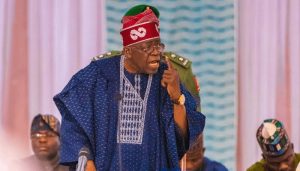
Even as rumours of a failed coup swirl in Abuja — following the detention of 16 senior military officers for alleged “indiscipline” and “breach of service regulations” — the Defence Headquarters has insisted the case is purely disciplinary.
Critics claim otherwise, but such speculation is dangerous. Military interventions, no matter the justification, have never produced lasting progress in Nigeria or anywhere else.
The Imperative to Strengthen Democracy
The lesson from Cameroon is not just about the perils of unchecked power; it is about the fragility of democracy when citizens lose faith in their institutions.
For Nigeria, the challenge is clear: deepen trust in elections through genuine reforms by the Independent National Electoral Commission (INEC) and the National Assembly. Laws must ensure transparency, technology must reduce manipulation, and results must reflect the will of the people.
Nigeria’s democracy may stumble, but it still breathes. The ability of citizens to criticize their leaders, question authority, and demand accountability — without fearing life imprisonment — is a sign of democratic maturity. The alternative is a permanent presidency, where one man’s rule outlives entire generations.
FURTHER READING
In a continent where strongmen often outlast the states they govern, Nigeria’s messy, noisy democracy remains an enviable exception. The country must guard it fiercely for the sake of its future, and for the silent millions across Africa who no longer believe change is possible.
Philip Ibitoye is a Special Correspondent with EKO HOT BLOG. Click here to find daily analysis and critical insight on trending issues in Lagos and other parts of Nigeria.
Click here to watch the video of the week below: