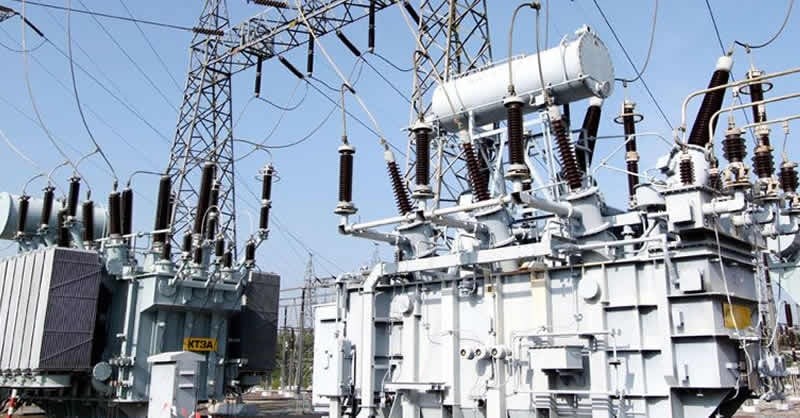
Nigeria’s national electricity grid has collapsed twice within the first 26 days of 2026, raising serious concerns about the trajectory of the country’s power sector after what appeared to be modest gains in 2025.
The latest collapse occurred on Tuesday morning, just five days after the grid failed on January 23. Data from the Nigerian Independent System Operator (NISO) showed that power generation plummeted to a mere 39 megawatts (MW), whilst load allocation to all 11 electricity distribution companies dropped to zero at 11 am.
EDITOR’S PICKS
As of the time of publishing this report around 3:44pm, the grid had started coming back online but distribution remained at less than 1,000MW.
According to the system operator, the Tuesday incident was triggered by the simultaneous tripping of multiple 330-kilovolt transmission lines and the disconnection of several generating units—a pattern that has become disturbingly familiar to Nigerians.
A worrying reversal of progress
The two collapses in January represent a troubling departure from the relative stability Nigeria’s power grid achieved in 2025. Last year, the grid collapsed four times — on February 12, March 7, September 10, and December 29. Whilst four failures in a year is hardly commendable, it marked a significant improvement from the 12 collapses recorded in 2024.
Industry experts had described 2025 as “relatively stable” compared to the previous year, suggesting that efforts to shore up the ailing infrastructure might be yielding results. However, the events of January 2026 paint a bleaker picture.
The timing is particularly revealing. In 2024, when the grid collapsed 12 times, the first failure occurred on February 4. In 2026, two collapses have already occurred by late January before the calendar has even reached the date of 2024’s first incident.
If the current trajectory continues without urgent intervention, 2026 could surpass 2024 as the worst year on record for grid stability. A simple extrapolation suggests the grid could fail more than 24 times this year if the pattern holds, though such projections should be treated cautiously given the unpredictable nature of infrastructure failures.
The regression is made more concerning by the financial toll. Senators investigating grid collapses in 2024 found that restarting just three major power plants — Azura, Delta, and Shiroro — costs Nigeria approximately $25 million or ₦42.5 billion per collapse.
With two failures already recorded, the country has potentially spent upwards of $50 million simply restoring power in less than a month.
The human cost of unreliable power
Beyond the statistics and financial losses lies a more profound crisis affecting millions of Nigerians. Large portions of the population endure fewer than six hours of electricity daily even when the grid is functioning. When it collapses entirely, homes, hospitals, schools, and small businesses are plunged into complete darkness.
For hospitals relying on grid power, a collapse can mean the difference between life and death. Small businesses without access to expensive generators are forced to halt operations, losing income. Students cannot study after dark, and perishable goods spoil in markets across the country.
The persistent failures have driven industrial consumers away from the national grid, with many large manufacturers investing in alternative power sources. This exodus further weakens the grid’s financial viability, creating a vicious cycle where reduced revenue means less funding for much-needed infrastructure upgrades.
The underlying problems remain unchanged: ageing infrastructure, vandalism of gas pipelines that supply power plants, inadequate maintenance, and operational inefficiencies. Until these structural issues are addressed, Nigerians may continue to experience the frustration of a power grid that promises electricity but delivers darkness with alarming regularity.
FURTHER READING
As 2026 progresses, the question is no longer whether the grid will collapse again, but how many more times Nigerians will have to endure a failure of basic infrastructure that most countries take for granted.
Philip Ibitoye is a Special Correspondent with EKO HOT BLOG. Click here to find daily analysis and critical insight on trending issues in Lagos and other parts of Nigeria.
Click here to watch the video of the week below: