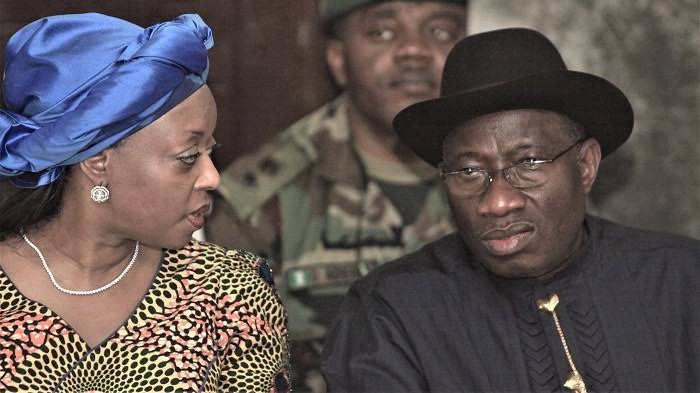
As Diezani Alison-Madueke stands trial at Southwark Crown Court in London, accused of accepting bribes worth millions of pounds, the proceedings have reignited discussions about former President Goodluck Jonathan’s approach to corruption allegations during his administration.
EKO HOT BLOG reports that the former petroleum minister, who served from 2010 to 2015 under Jonathan’s government, faces five counts of bribery alongside oil executive Olatimbo Ayinde and her brother, Doye Agama. All three have pleaded not guilty.
EDITOR’S PICKS
British prosecutors allege that Alison-Madueke received luxury goods and properties from industry figures seeking favourable treatment in oil contracts with the Nigerian National Petroleum Corporation.
According to prosecutor Alexandra Healy, businessman Kolawole Aluko spent over £2 million on items for the former minister at Harrods, where she enjoyed personal shopper status — a privilege reserved for customers spending over £10,000 annually. Aluko also purchased a mansion outside London for £3.25 million, which Alison-Madueke and her family frequently used. Energy company founders with NNPC contracts reportedly paid the running costs of her UK property and the salaries of domestic staff, including a housekeeper, nanny, gardener and window cleaner.
Prosecutors have clarified there is no evidence that Alison-Madueke awarded contracts to undeserving parties, but argue that accepting such benefits from those doing business with government entities was improper.
Jonathan’s Response to Corruption Allegations
The trial brings into sharp focus Jonathan’s handling of corruption allegations against his ministers. When Central Bank Governor Lamido Sanusi raised concerns in 2013 that the NNPC had failed to account for US$48.9 billion in government oil revenue, Jonathan suspended Sanusi rather than investigating the claims. Alison-Madueke, who oversaw the petroleum ministry throughout this period, was never sanctioned despite the allegations.
In fact, when questioned about corruption reports against his ministers, Jonathan stated he did not need to sack cabinet members to demonstrate his commitment to fighting corruption. He characterised many allegations as politically motivated.
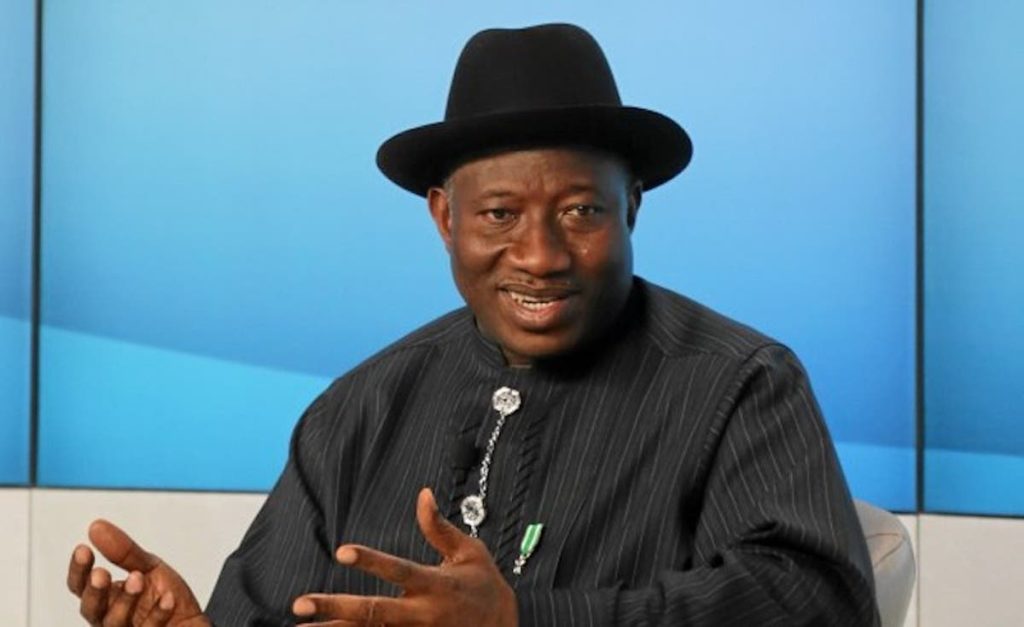
The defining moment came during a Presidential Media Chat in 2014, when Jonathan made a controversial statement: “Over 70 per cent of what are called corruption, even by EFCC and other anti-corruption agencies is not corruption, but common stealing.” The remark sparked widespread criticism and became symbolic of what many perceived as his administration’s tolerance of malfeasance.
Jonathan later attempted to clarify in his memoir that he had never said “stealing is not corruption” verbatim. He explained that during a meeting with judicial and legislative leaders, the Chief Justice had noted that over 70 per cent of corruption cases before the Supreme Court were actually theft charges, and Jonathan had argued for distinguishing between the two to properly stigmatise thieves. However, this explanation did little to change public perception that he was downplaying corruption.
A Pattern of Inaction
Alison-Madueke was not the only minister to face serious allegations without consequence.
When reports emerged that she had spent N10 billion on chartered jets, Jonathan defended her, noting that the Petroleum Ministry had always used private jets. She was arrested in the UK in 2015, shortly after Jonathan left office, and now faces trial for allegedly accepting bribes between 2011 and 2015.
The Economist described Jonathan’s administration as one where “corruption flourished” and politicians “fill their pockets with impunity.” Despite accruing over $454 billion from oil revenue during his tenure, corruption concerns dominated public discourse and contributed to Nigeria’s economic difficulties.
The Electoral Consequence
Jonathan’s perceived tolerance of corruption became a central campaign issue in the 2015 presidential election. His opponent, Muhammadu Buhari, ran on a strong anti-corruption platform, positioning himself as the antidote to the endemic graft that had characterised the Jonathan years.
In March 2015, Jonathan became the first incumbent Nigerian president to lose re-election, defeated by Buhari. Whilst multiple factors contributed to his loss, including security challenges posed by Boko Haram, the perception that his administration had allowed corruption to thrive played a significant role in voters’ rejection of his bid for a second full term.

Current Implications
As Alison-Madueke’s trial continues in London, it serves as a concrete reminder of the corruption allegations that plagued Jonathan’s presidency. Whether she is ultimately convicted or acquitted, the detailed accusations of luxury shopping sprees, mansion use and payments from oil industry figures seeking government contracts paint a vivid picture of the excesses that Nigerians witnessed during that period.
The trial also highlights the limitations of domestic accountability mechanisms. Alison-Madueke faces prosecution in the UK, not Nigeria, despite the alleged offences relating to her position in the Nigerian government. This raises questions about the effectiveness of Nigeria’s anti-corruption institutions during and after the Jonathan administration.
FURTHER READING
For many Nigerians, the proceedings at Southwark Crown Court are more than just the trial of a former minister, they represent a reckoning with an era when allegations of corruption in high places appeared to carry few consequences, and when the distinction between “stealing” and “corruption” seemed to matter more to those in power than the fundamental breach of public trust that both represent.
Philip Ibitoye is a Special Correspondent with EKO HOT BLOG. Click here to find daily analysis and critical insight on trending issues in Lagos and other parts of Nigeria.
Click to watch the video of the week below: