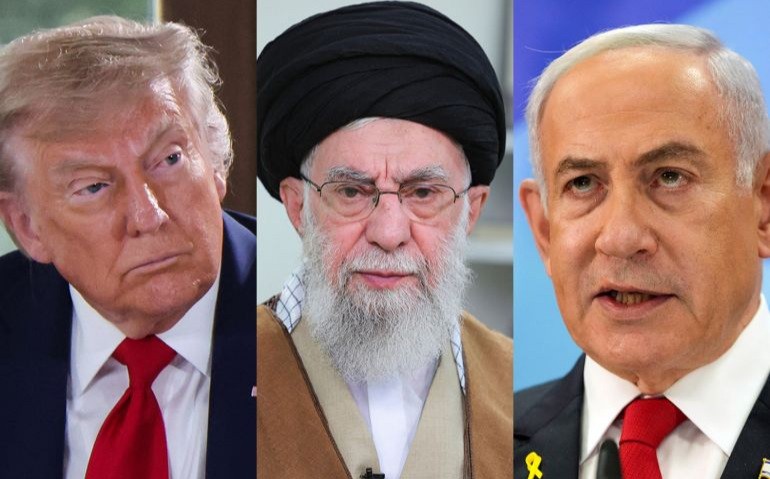
Ayatollah Ali Khamenei, Iran’s Supreme Leader for 35 years, is dead, according to United States (US) President Donald Trump. He was reportedly killed on Saturday in a joint American and Israeli missile strike on his Tehran compound, but Iran denies it.
The strikes, which hit nuclear facilities and military sites across 24 Iranian provinces, have since triggered fierce Iranian reprisals on US bases and six Arab nations, plunging the Middle East into open war.
EDITOR’S PICKS
The question now being asked across various countries across the world, including Nigeria is: what does this mean for us?
Oil Prices: A windfall for government
Nigeria’s economy lives and dies by the price of crude oil, and the conflict has already sent prices sharply upward. Before the strikes, Brent crude, the global oil benchmark, closed at $72.87 per barrel on Friday.
By Saturday, following the attacks, it had surged more than 3.66%, trading at $73 per barrel. With the Strait of Hormuz, through which roughly a fifth of the world’s oil passes, now caught in the crossfire, analysts warn that prices could climb considerably higher in the coming days.
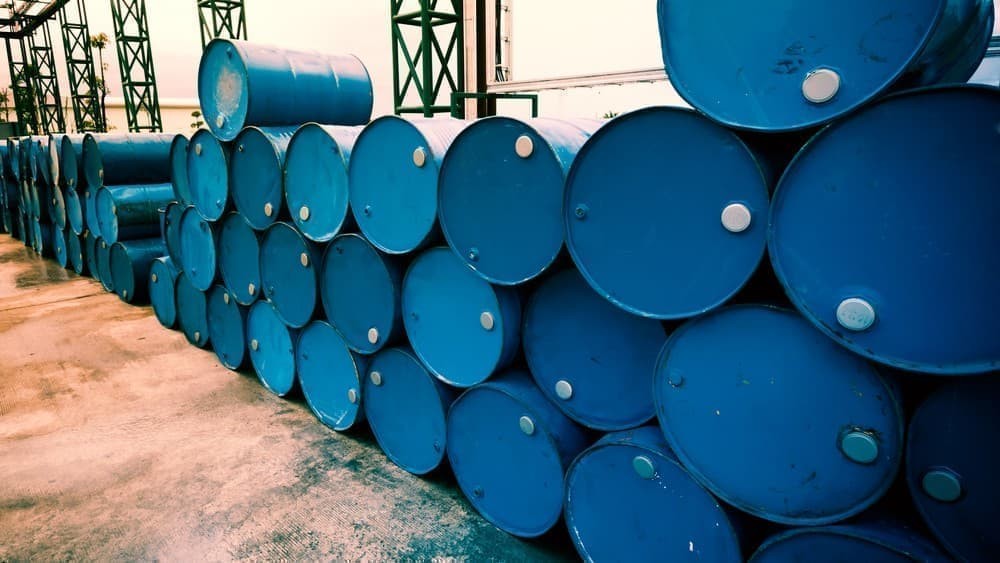
For the federal government, this is potentially good news. Nigeria’s 2026 budget was built on a conservative oil price benchmark of $64.85 per barrel. With Brent now tracking above $73, every additional dollar translates into billions of extra naira in monthly revenue Nigeria. The 2026 budget already carries a deficit of N23.85 trillion. A sustained oil price surge could help close that gap, fund deferred capital projects, and ease pressure on foreign exchange reserves that underpin the naira.
The catch, however, is production. Nigeria has consistently failed to pump as much oil as its budgets assume. In 2025, the government targeted 2.06 million barrels per day but averaged closer to 1.6 million, hobbled by pipeline theft and underinvestment. Higher prices help, but only to the extent that Nigeria can actually get the oil out of the ground and into the market.
Higher fuel prices may mean burden on ordinary Nigerians
What benefits the government at the macro level can punish the ordinary Nigerian at the pump. Since President Bola Tinubu removed the petrol subsidy in May 2023 and deregulated the downstream sector, retail fuel prices in Nigeria now move freely with global crude prices. There is no longer a government buffer to absorb the shock.
Just days before the conflict erupted, Nigerians had been enjoying some relief. Competition between the Dangote Petroleum Refinery and independent importers had pushed petrol prices as low as ₦815 per litre in some areas, a welcome development after two brutal years of cost-of-living pressures.
That relief is now under threat. If crude prices spike to $85, $90 or higher — a realistic scenario if the conflict deepens — refining and import costs will rise, and those costs will be passed directly to the consumer.
The inflationary consequences would ripple well beyond the petrol station. Transport fares, food prices, and the cost of nearly every manufactured good are tethered to the price of fuel. Nigeria’s inflation had been declining steadily through 2025. A fresh fuel price shock risks reversing those hard-won gains.
Aviation and Trade: Disruption hits travellers
The conflict is already being felt beyond the oil market. Iran’s missile strikes forced the UAE to close its airspace, Qatar Airways to suspend all flights, and Dubai’s airports to shut indefinitely.
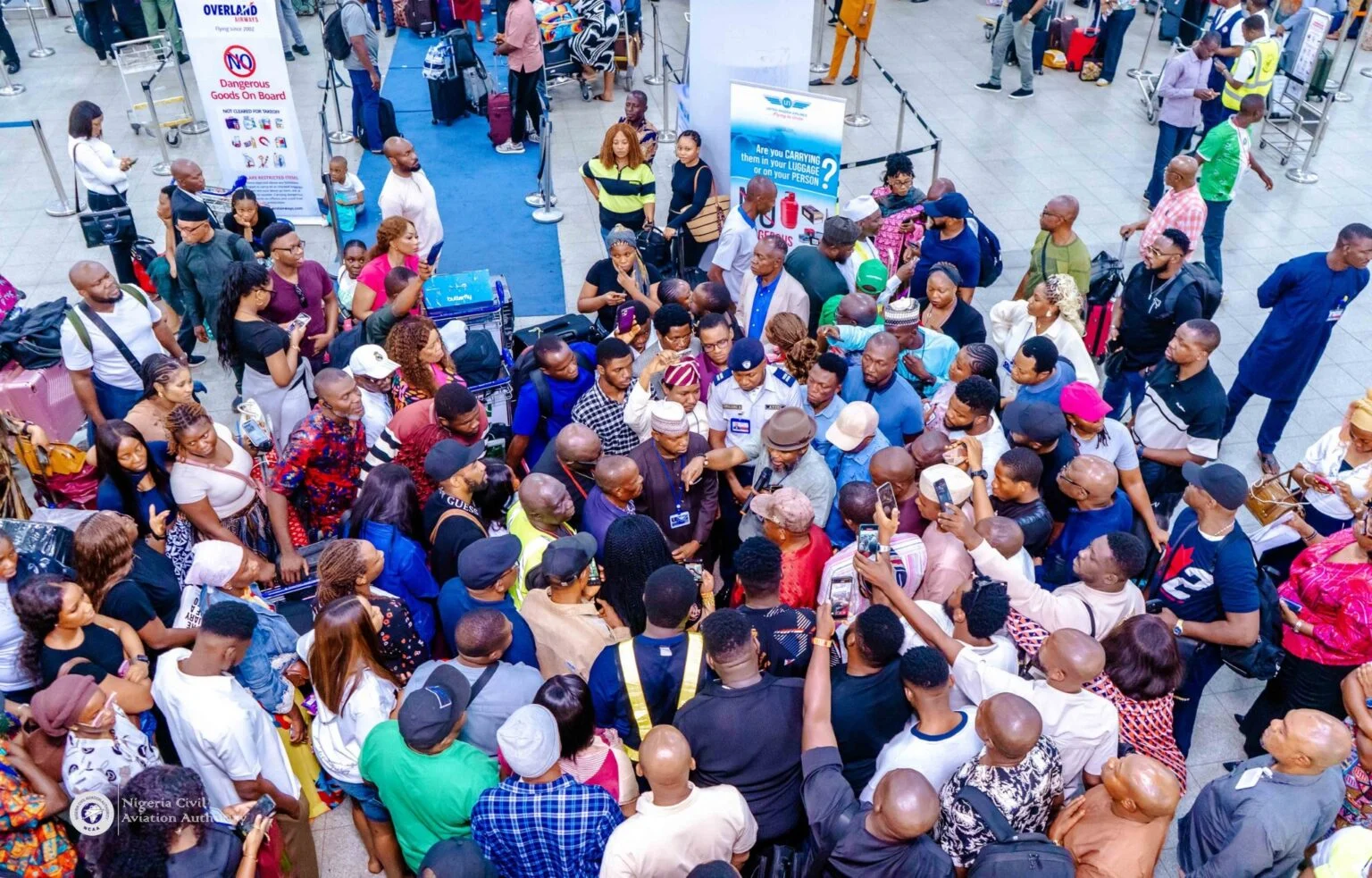
Nigerian passengers booked on Emirates and Qatar Airways flights from Abuja and Lagos have been stranded, with the Federal Airports Authority of Nigeria (FAAN) confirming widespread cancellations and delays on Middle East routes. Sustained disruptions would affect trade flows and diaspora remittances.
The dual reality Nigeria must navigate
The war presents Nigeria with an uncomfortable balancing act. Higher oil prices offer fiscal breathing room for a government that badly needs it. But in a fully deregulated fuel market, those same price dynamics will hit millions of already-struggling Nigerians in their pockets through more expensive petrol, costlier transport, and rising food prices.
FURTHER READING
How that tension is managed in the coming weeks will matter enormously to millions of Nigerians already navigating a difficult cost-of-living crisis.
Philip Ibitoye is a Special Correspondent with EKO HOT BLOG. Click here to find daily analysis and critical insight on trending issues in Lagos and other parts of Nigeria.
Click to watch the video of the week below: