- Gas leaks often show early warning signs that should never be ignored
- Symptoms include smell, sound, health effects, and appliance malfunction
- Immediate action can prevent fire, explosion, and serious health risks
Gas leakage is one of the most dangerous household risks, often going unnoticed until it leads to fire outbreaks, explosions, or serious health issues. In many homes and businesses, especially where cooking gas and generators are widely used, early detection can save lives and property.
EDITOR’S PICKS
- Judge Frees 37 Inmates Over Prolonged Detention in Akwa Ibom
- Trump Threatens Iran Over Energy Attacks
- Tinubu Excludes Kemi Badenoch from UK State Visit Itinerary
Knowing the warning signs is critical for safety.
Here are seven warning signs of gas leakage you should never ignore:
1. Strong Smell of Rotten Eggs
Most cooking gas is odorless, but suppliers add a chemical to give it a strong, unpleasant smell. If you notice a rotten egg or sulfur-like odor, it could indicate a leak.
2. Hissing or Whistling Sound
A leaking gas pipe or cylinder may produce a hissing sound, especially near connections or valves. This is a clear sign that gas is escaping under pressure.
3. Dead or Dying Plants Nearby
If plants around your gas line or kitchen suddenly wither or die without explanation, it may be due to gas exposure affecting their growth.
4. Unusual Increase in Gas Bills
A sudden spike in your gas consumption without increased usage could point to a hidden leak.
5. Physical Symptoms
Exposure to leaking gas can cause headaches, dizziness, nausea, fatigue, or breathing difficulties. These symptoms should never be ignored.
6. Bubbling in Water
If gas pipes run through wet areas and you notice bubbles forming in puddles or standing water, it may indicate a leak.
7. Difficulty Lighting Gas Appliances
If your gas cooker or appliance struggles to ignite or keeps going off, it could be due to irregular gas flow caused by a leak.
What You Should Do Immediately
If you suspect a gas leak, do not light matches, switch on electrical appliances, or use open flames. Turn off the gas supply if it is safe to do so, open windows for ventilation, and leave the area immediately. Contact a qualified technician or emergency service for help.
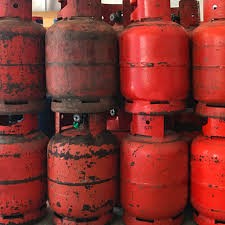
Gas safety is not something to take lightly. Early detection and quick action can prevent disasters and protect lives.
FURTHER READING
- AUATON Calls on Lagos Assembly to Address Ride-Hailing Challenges
- Two Students, Teacher Escape Death in Onipanu Road Accident
- Anthony Joshua Resumes Training Camp Ahead Of Summer Return