- The Independent National Electoral Commission (INEC) has officially rejected calls for the resignation of its Chairman, Professor Joash Amupitan (SAN), labeling the demand as a dangerous attempt to undermine its constitutional mandate.
- INEC insists its recent actions, including complying with a Court of Appeal ruling, are necessary to avoid the kind of constitutional crises previously seen in Zamfara and Plateau states.
- The commission clarified that the upcoming nationwide voter revalidation exercise is a pre-existing administrative reform designed to clean the register of deceased persons and duplicates, rather than a political tool.
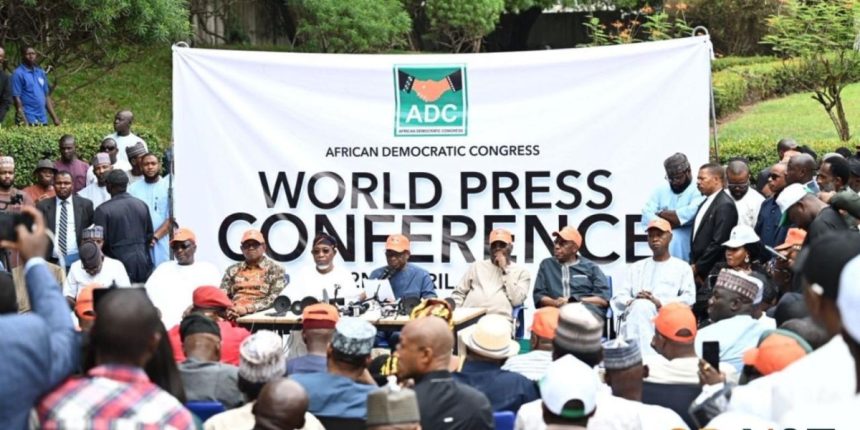
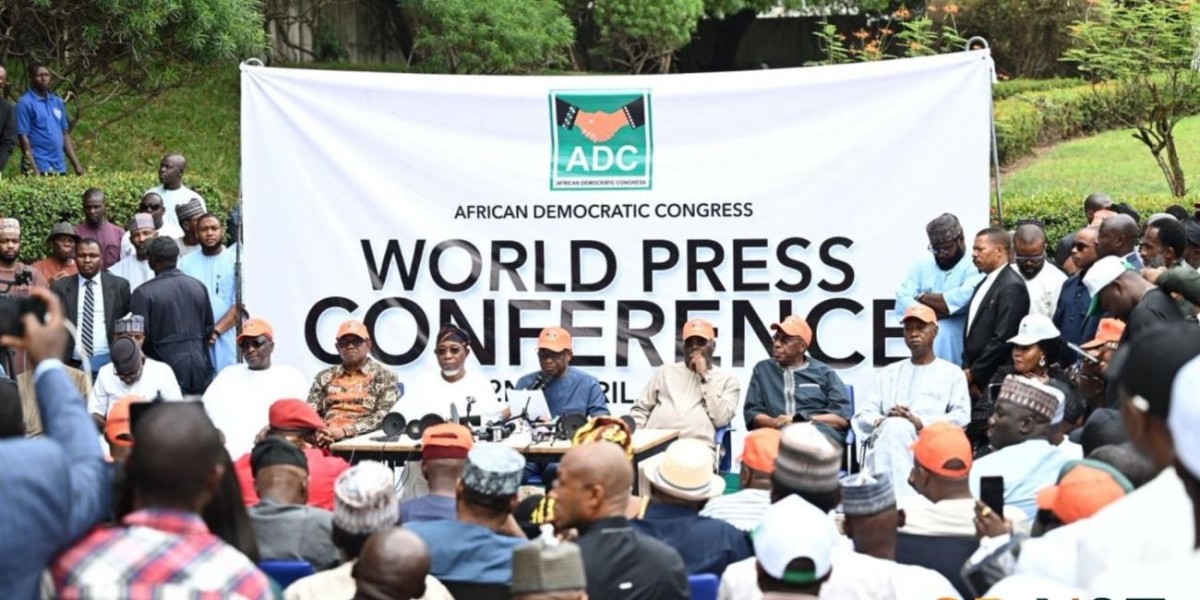
The Independent National Electoral Commission (INEC) has taken a firm stand against the African Democratic Congress (ADC), describing the party’s call for the resignation of Chairman Professor Joash Amupitan as a “direct assault” on the nation’s democratic structures.
Eko Hot Blog reports that in a statement released late Thursday, April 2, 2026, the commission’s Chief Press Secretary, Adedayo Oketola, argued that the Chairman does not serve at the pleasure of any political interest group.
EDITOR’S PICKS
- Judge Frees 37 Inmates Over Prolonged Detention in Akwa Ibom
- Trump Threatens Iran Over Energy Attacks
- Tinubu Excludes Kemi Badenoch from UK State Visit Itinerary
The friction stems from a leadership dispute within the ADC. The party’s National Chairman, David Mark, accused INEC of partisanship and working to weaken the opposition ahead of the 2027 general elections.
However, INEC maintains that its withdrawal of recognition for certain party leaders was a strict adherence to judicial pronouncements from the Court of Appeal.
INEC pointed to Nigeria’s recent political history to justify its rigid compliance with court orders.
The commission noted that non-compliance in the past led to the removal of elected officials in states like Zamfara and Plateau after exhaustive legal battles.
By following the appellate court’s lead, INEC claims it is preventing similar upheavals that could threaten the stability of the 2026 off-cycle elections in Ekiti and Osun.
“INEC remains a neutral regulator, not a participant in political competition,” the statement stressed.
To bolster this claim of neutrality, the commission highlighted the recent registration of three new political parties, bringing the total number of active parties in Nigeria to 22.
Addressing concerns over the controversial nationwide voter revalidation exercise, INEC explained that the initiative is an essential administrative cleanup.
The goal is to verify voter eligibility and remove deceased individuals from the register using robust digital options.
The commission denied that the exercise is targeted at any specific region or demographic, emphasizing its importance for the integrity of the 2027 polls.
As political pressure mounts from the ADC and other opposition figures who allege a “consolidation of dominance” by the ruling party, INEC reiterated that its only allegiance is to the Constitution.
The commission warned political actors against dragging the electoral umpire into partisan conflicts that could jeopardize the credibility of the upcoming 2026 and 2027 elections.