- Nigerian Army maintained that providing uniforms and operational equipment is its responsibility
- The Army also clarified that Olamilekan’s dismissal in March was due to repeated acts of misconduct
- He stressed that the military continues to supply a standard set of kits to all personnel
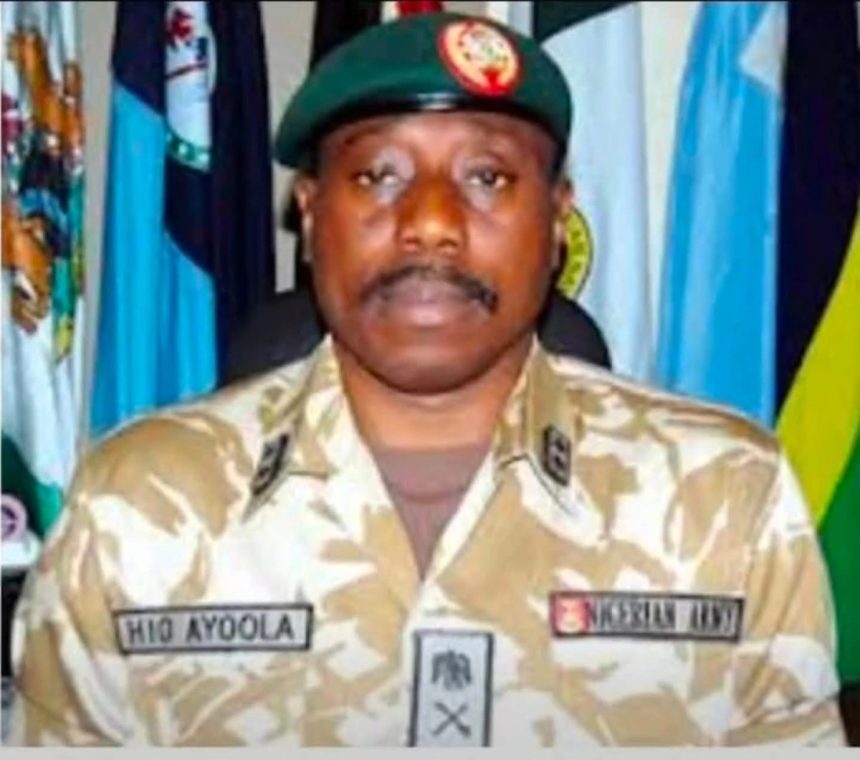
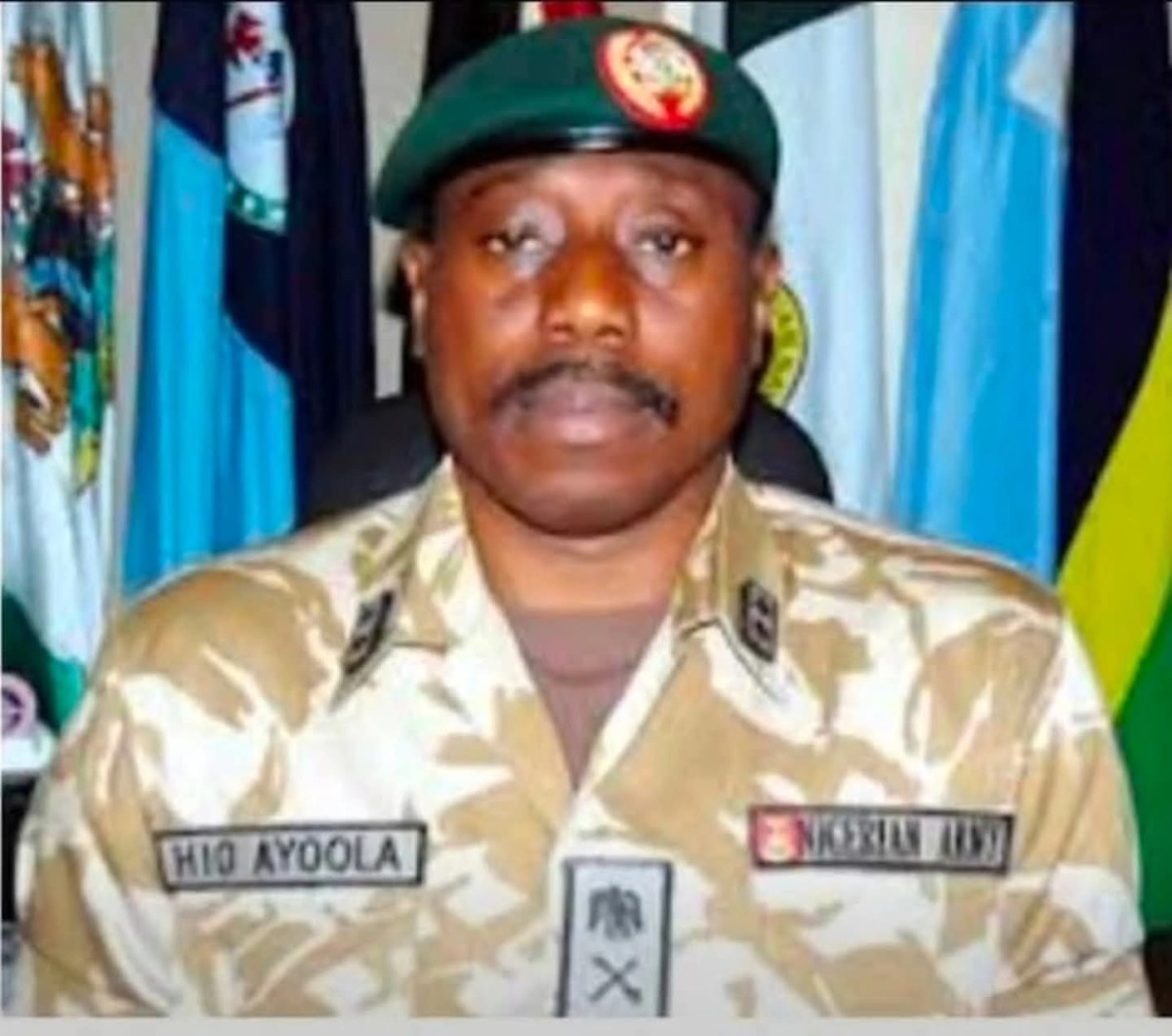
Retired Major General and former commander of Operation Safe Haven, Henry Ayoola, has rejected suggestions that soldiers buying personal military gear reflects a breakdown within Nigeria’s armed forces.
Speaking on Channels Television’s Morning Brief on Friday, Eko Hot Blog gathered that Ayoola addressed the controversy that followed claims made by a dismissed soldier about poor welfare and inadequate equipment.
EDITOR’S PICK
- Easter Celebration: Sanwo-Olu Encourages Love, Sacrifice, Coexistence
- Enough Is Enough Defend Yourselves’ – CAN Urges Northern Christians
- NLC Orders Street Protests Over Minimum Wage
The debate began after a viral interview with ex-lance corporal Rotimi Olamilekan, also known as Soja Boi, who alleged that troops often purchase their own uniforms, boots, and even protective gear despite earning modest salaries.
Responding to the claims earlier in the week, the Nigerian Army maintained that providing uniforms and operational equipment is its responsibility, adding that no personnel is sent into active duty without the required gear.
The Army also clarified that Olamilekan’s dismissal in March was due to repeated acts of misconduct, not his public comments.
Backing the Army’s stance, Ayoola said it is not uncommon for soldiers to personally upgrade their equipment beyond what is officially issued.
According to him, such decisions are often based on individual preference and should not be interpreted as a failure of the system. He stressed that the military continues to supply a standard set of kits to all personnel.
He explained that every soldier is entitled to a minimum level of equipment under established operational guidelines, dismissing claims that troops are left unequipped.
While acknowledging that certain operational challenges may affect the availability of resources,
Ayoola noted that commanders typically manage and allocate what is available as efficiently as possible, sometimes relying on improvisation in difficult situations.
Beyond the issue of equipment, the retired general argued that Nigeria’s security problems are frequently misunderstood. He said the crisis goes deeper than military concerns and is rooted in broader structural and political issues.
Ayoola described the situation as part of a wider global pattern involving struggles for power and ideological differences. He criticised the country’s approach to insecurity, saying that failure to properly define the problem has led to ineffective responses.
He added that tackling symptoms without addressing root causes would not produce lasting results.
On the issue of troop safety, particularly ambushes, Ayoola highlighted the growing use of technology in military operations.
He pointed to increased deployment of intelligence, surveillance, and reconnaissance tools, including drones, to improve situational awareness and reduce risks to personnel.
He concluded by warning that without a clear understanding of the nature of the threat and the identity of those behind it, efforts to restore security would remain inadequate.
FURTHER READING