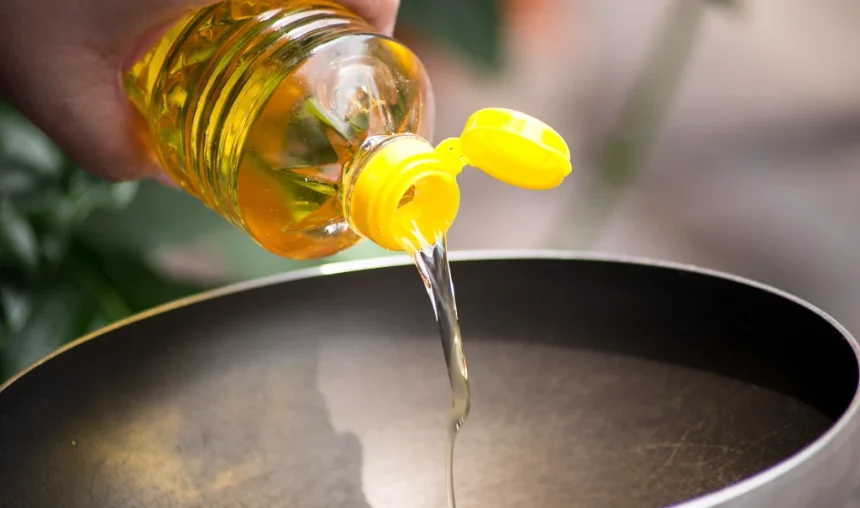
- Signs Your Cooking Oil May Be Dangerous For Your Health
- Dark, smoky or foul-smelling oil may already be unsafe for consumption.
- Experts advise proper storage and limited reuse of cooking oil.
Cooking oil is one of the most commonly used ingredients in Nigerian homes, restaurants and roadside food spots. From frying akara and plantain to preparing soups and stews, oil plays a major role in everyday meals. However, many people do not realise that the same oil used to prepare food can quietly become harmful to health when poorly stored, repeatedly heated or adulterated.
EDITOR’S PICKS
- FA Introduces New Rules To Limit Heading In Football
- President Tinubu Has Not Endorsed Any APC Candidate for 2027 – Jandor
- Police Arrest 2 Over Trafficking of Nigerian Woman to Côte d’Ivoire
EKO HOT BLOG reports that health experts have repeatedly warned that unhealthy cooking oil may increase the risk of heart disease, food poisoning, digestive problems and long-term health complications. In Nigeria, the growing circulation of fake or recycled oil in some markets has also raised fresh concerns about food safety.
Here are seven warning signs that your cooking oil may no longer be safe for consumption.
1. The Oil Produces Excessive Smoke Quickly
One major sign of dangerous cooking oil is when it starts smoking almost immediately after heating. Fresh oil should heat gradually. Excessive smoke may indicate that the oil has broken down due to repeated use or poor quality.
When oil reaches its smoke point too quickly, it can release harmful compounds that may irritate the lungs and increase health risks over time.
2. It Has A Strong Or Unpleasant Smell
Fresh cooking oil usually has a mild or neutral smell. If the oil begins to smell sour, burnt or rancid, it may already be spoiled.
Experts warn that consuming rancid oil regularly may expose the body to harmful free radicals linked to inflammation and chronic diseases.
3. The Oil Looks Dark And Thick
Cooking oil that has become unusually dark, sticky or thick may have been overheated multiple times. Reusing oil repeatedly is common in many homes and food businesses, but it can reduce food quality and increase health dangers.
Dark oil may contain harmful substances formed during repeated frying.
4. Food Tastes Strange After Frying
If fried food suddenly develops a bitter or unusual taste, the oil may be contaminated or expired.
Bad oil can alter the flavour of food and may also upset digestion.
5. The Oil Foams While Frying
Excessive bubbling or foaming during frying may signal contamination from water, food particles or chemical breakdown.
This often happens when oil is reused several times without proper filtering.
6. It Causes Stomach Discomfort Frequently
Persistent bloating, nausea or stomach discomfort after eating fried foods may be linked to poor-quality oil.
Health professionals advise avoiding oils suspected to be adulterated or repeatedly reheated.
7. The Oil Was Poorly Stored
Cooking oil exposed to direct sunlight, heat or open air for long periods can deteriorate faster.
Improper storage may speed up oxidation, reducing the oil’s quality and safety.
To reduce health risks, experts recommend buying cooking oil from trusted sources, avoiding excessive reuse and storing oil properly in cool, dry places.
FURTHER READING
- Nigerian Fraudster Admits Role in $50 Million Email Scam Network
- FG Begins Review of Agricultural Curricula to Bridge Skills Gap
- Mother Slumps, Dies While Escorting Daughter To UTME Centre In Ondo