- Despite a 184% spike in aviation fuel costs over the last two months, airfares in Nigeria remain largely unchanged due to intense competition among local carriers.
- Jet A1, which sold for N900 per litre in January, has skyrocketed to as much as N2,557 per litre in certain regions like Sokoto.
- Fuel now accounts for approximately 40% of airline resources, leaving operators struggling to cover maintenance and other essential expenses.
Nigerian airlines are currently trapped in a pricing dilemma as the cost of aviation fuel continues to climb.
Eko Hot Blog reports that while the ongoing crisis in the Middle East has pushed fuel prices from N900 in January to over N2,500 per litre in March 2026, ticket prices have not followed suit.
EDITOR’S PICKS
- Judge Frees 37 Inmates Over Prolonged Detention in Akwa Ibom
- Trump Threatens Iran Over Energy Attacks
- Tinubu Excludes Kemi Badenoch from UK State Visit Itinerary
Industry sources suggest that the “pressure of competition” among the 15 scheduled indigenous operators is forcing carriers to keep fares low to avoid losing passengers to road transport.
Currently, one-way tickets across major routes range between N106,286 and N147,000.
For instance, Aero Contractors offers Lagos to Abuja flights for about N106,286, while Air Peace remains at the higher end of the local market at N147,000.
Analysts warn that this trend is unsustainable, as the current fares may not be enough to recoup the mounting losses triggered by the fuel surge.
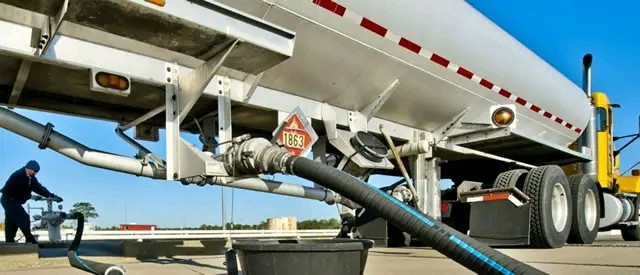
The geographical disparity in fuel pricing further complicates the issue. Sokoto Airport currently records the highest rate at N2,557 per litre, followed closely by Kano at N2,554.
Lagos remains the relatively “cheapest” hub for refueling at N2,500 per litre. Experts noted the irony that while the Dangote Refinery is exporting aviation fuel to Europe, local operators are left without significant incentives or tax reliefs to cushion the blow.
Aviation analyst Olumide Ohunayo has called for urgent government intervention, such as temporary tax breaks, to prevent the total collapse of the sector.
Similarly, retired pilot Muhammad Badamosi noted that the declining passenger traffic (down to 15.6 million in 2024 from 16.2 million in 2022) leaves airlines with very little room to maneuver without pricing themselves out of a shrinking market.
Regional Aviation Fuel Costs (April 1, 2026)
Sokoto: N2,557/litre
Kano: N2,554/litre
Abuja: N2,538/litre
Lagos: N2,500/litre