- Ikoku explained that while consensus would be used for leadership positions at the convention
- She added that outcomes in elective contests may not always align with consensus arrangements across all levels
- According to her, these requirements have exposed gaps in the preparedness of some political parties
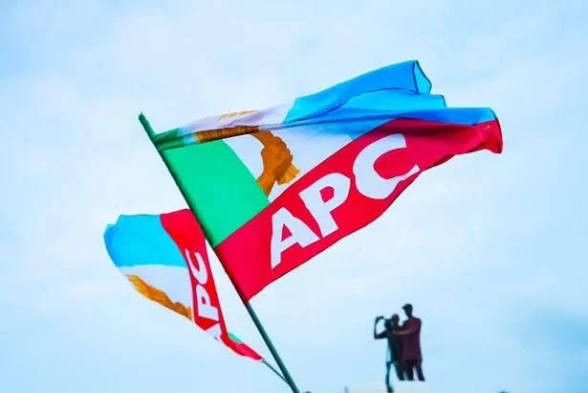
The All Progressives Congress (APC) has announced plans to adopt a consensus method in selecting its national leadership at the party’s convention slated for March 27–28, 2026, in Abuja.
Eko Hot Blog gathered that this was disclosed by the Assistant Secretary for Media and Publicity of the convention, Mary Ikoku, during an appearance on Sunrise Daily on Channels Television.
EDITOR’S PICK
- Why Return of Lagos Monthly Sanitation Exercise is Long Overdue
- Four Killed as Truck Crashes Into Bus on Lekki–Epe Expressway
- Uzodimma: Tinubu Reforms Prevent Fuel Crisis
Ikoku explained that while consensus would be used for leadership positions at the convention, the approach for elective offices remains undecided, noting that such decisions often depend on local political considerations.
She added that outcomes in elective contests may not always align with consensus arrangements across all levels, given the nature of grassroots politics.
Addressing provisions of the Electoral Act, Ikoku pointed out that the law mandates political parties to maintain an updated digital membership register and recognises only direct primaries and consensus as valid methods for candidate selection.
According to her, these requirements have exposed gaps in the preparedness of some political parties, stressing that serious parties should engage in long-term planning rather than waiting until election periods.
Meanwhile, preparations for the convention are underway, with the APC already screening aspirants for key positions within its National Working Committee.
Among those in the race are Nentawe Yilwatda for National Chairman and Ajibola Basiru for National Secretary.
Several incumbent officials are also seeking re-election, including Dayo Israel, Ali Bukar Dalori, Abdulkarim Abubakar Kana, Mary Alile Idele, and Felix Morka.
FURTHER READING