- The Bauchi State chapter of the All Progressives Congress (APC) is experiencing significant internal strife over a proposed plan to admit the state’s sitting governor, Bala Mohammed, into its fold.
- Key party leaders in the state have expressed strong opposition to the lack of consultation regarding the governor’s potential entry, warning that bypassing local structures could destabilize existing party hierarchies.
- The political landscape in Bauchi State was thrown into uncertainty on Wednesday following a heated caucus meeting of the All Progressives Congress (APC) in Abuja.
Governor Mohammed, a prominent figure in the Peoples Democratic Party (PDP), has recently hinted at leaving his party, sparking a flurry of negotiations and speculation ahead of the 2027 general elections.
Eko Hot Blog reports that the central point of contention remains the reported move by the national leadership to facilitate the defection of Governor Bala Mohammed from the Peoples Democratic Party (PDP) to the APC.
EDITOR’S PICKS
- Judge Frees 37 Inmates Over Prolonged Detention in Akwa Ibom
- Trump Threatens Iran Over Energy Attacks
- Tinubu Excludes Kemi Badenoch from UK State Visit Itinerary
Local stakeholders, led by Bauchi North Senator Sama’ila Dahuwa, have voiced their displeasure, describing the exclusion of state-level actors from these high-level negotiations as “unacceptable.”
The caucus argues that such a move, if handled without local consensus, risks alienating loyal members who have maintained the party’s structure in the state through years of opposition.
To address the growing rift, the APC caucus has resolved to establish a high-powered committee tasked with articulating a formal position and engaging directly with the party’s national headquarters.
According to the Acting Secretary of the caucus, Dabo Ismail, the committee’s mandate is to ensure that internal democracy is preserved.
While the governor is not being outrightly rejected, the local leadership insists on defining strict conditions for his admission to prevent the displacement of current power structures.
This “democratic mechanism” is intended to protect the interests of those who have built the APC platform in Bauchi while exploring the electoral advantages a sitting governor might bring.
The tension comes at a time of broader political shifting. Governor Mohammed, a former Minister of the Federal Capital Territory, has been a cornerstone of the PDP in the North-East but has recently signaled a desire for change.
On March 31, 2026, he publicly mentioned a potential move to the African Democratic Congress (ADC), a statement that triggered immediate counter-offensives and overtures from rival parties.
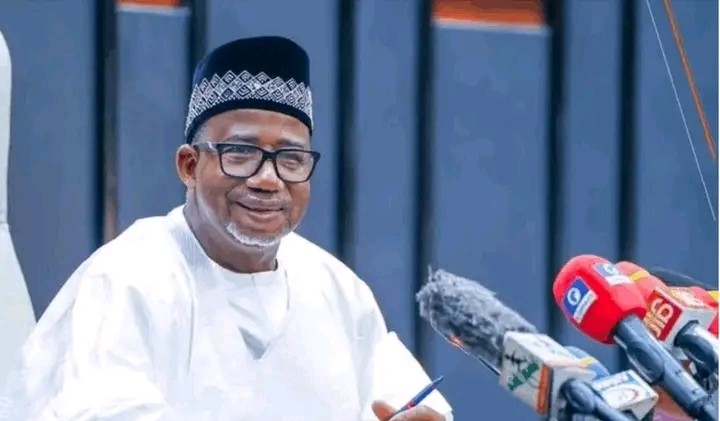
A subsequent closed-door meeting between the governor and top APC officials, including National Chairman Nentawe Yilwatda, has only served to intensify rumors that a major defection is imminent, despite his previous interest in the ADC.
For the Bauchi APC, the dilemma is a classic case of political pragmatism versus institutional loyalty.
Admitting a governor of Mohammed’s stature would undoubtedly bolster the party’s strength for the 2027 cycle, yet it threatens to fracture the core base of members who feel their contributions are being overlooked in favor of a high-profile “catch.”
As the newly formed committee begins its work, the outcome of these negotiations will likely determine whether the APC can successfully expand its influence in the North-East or if it will suffer a self-inflicted wound caused by internal power struggles.