For years, Nigeria poured billions of naira and welcomed hundreds of millions in donor dollars into its education sector, particularly in the North-West and North-East. The results were, to put it plainly, disappointing.
Those two zones still record the lowest literacy and numeracy rates in the country. The money went in. The learning outcomes did not follow.
EDITOR’S PICKS
That paradox is now at the centre of a quiet but significant shift in how Nigeria manages its education system.
The Data That Changed the Conversation
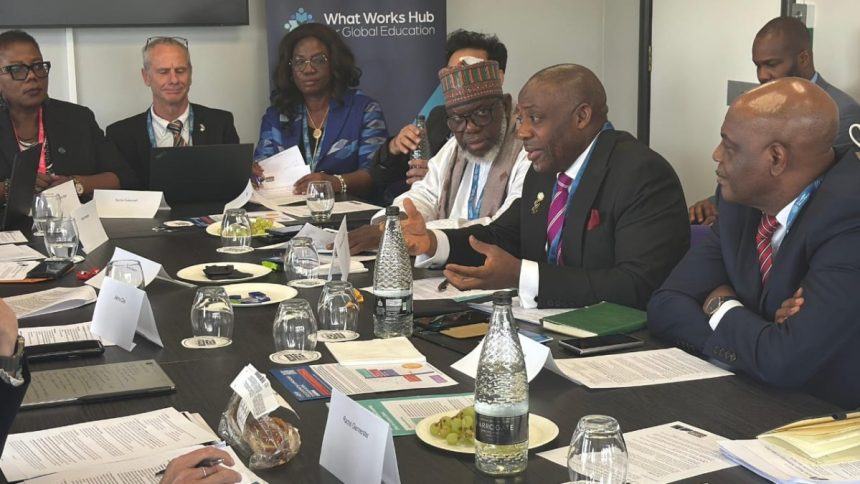
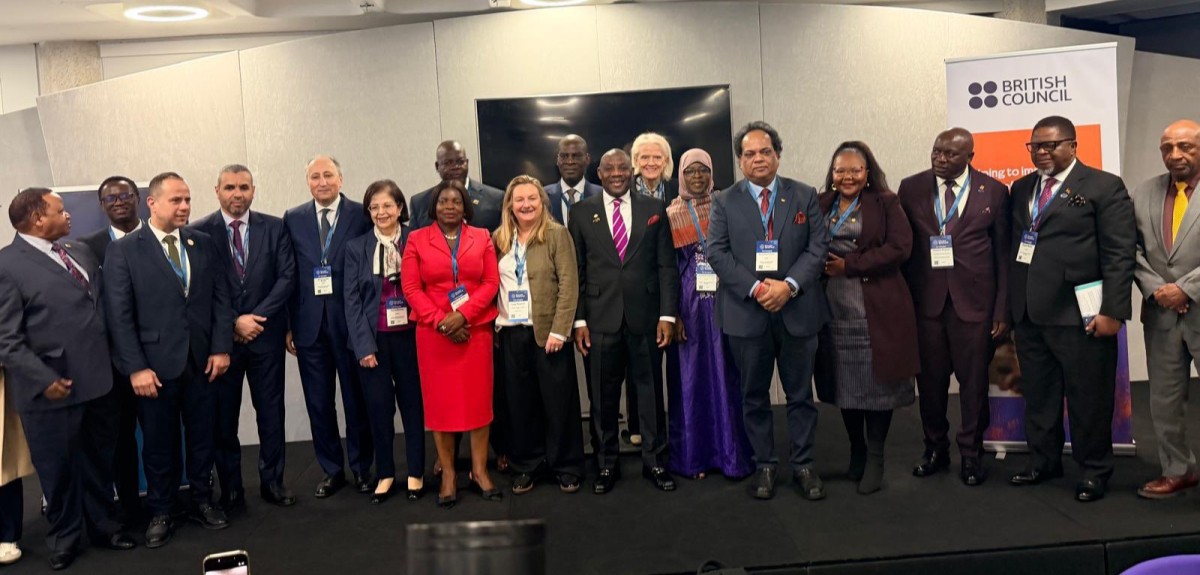
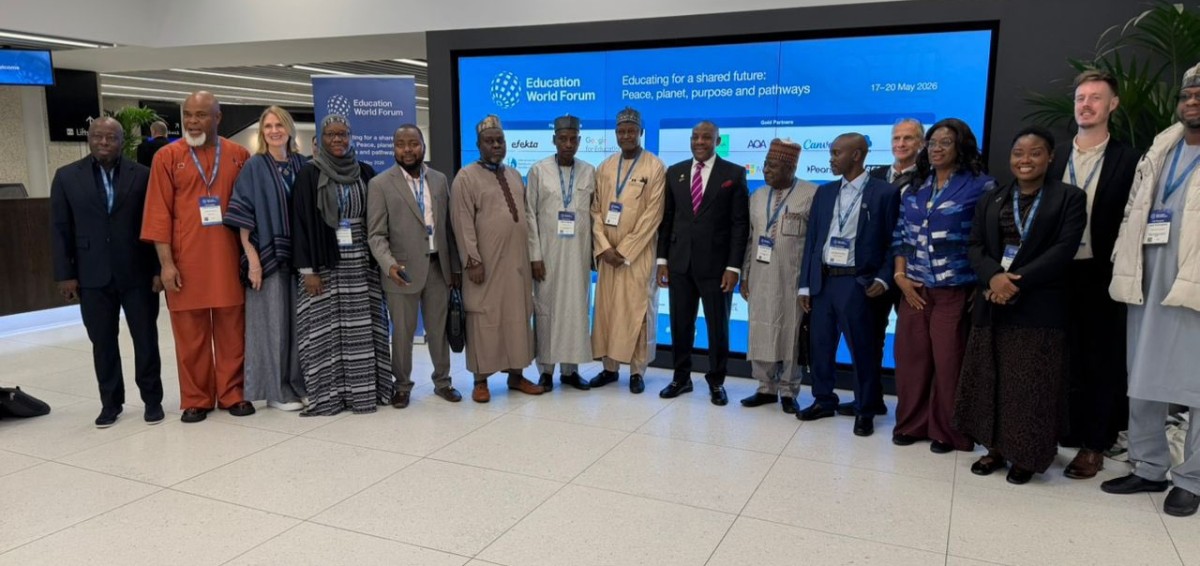
Speaking at the Education World Forum in London on Monday, Minister of Education, Tunji Alausa, disclosed a striking finding from the National Education Data Infrastructure (NEDI): 80 per cent of donor funding directed at Nigerian education over the past decade went to the North-West and North-East, yet those regions remain the worst-performing in foundational learning.
The revelation was not an indictment of goodwill. It was an indictment of planning. Without reliable, centralised data, governments and donors were essentially making high-stakes decisions in the dark. NEDI is designed to switch the lights on.
The platform currently captures data from over 220,000 schools across 21 states, covering more than 32 million students. It integrates information from key agencies — Universal Basic Education Commission (UBEC), West African Examinations Council (WAEC), the National Examinations Council (NECO), the National Business and Technical Examinations Board (NABTEB), the National Education Management Information System Annual School Census, the Joint Admissions and Matriculation Board (JAMB), and the Nigerian Education Loan Fund (NELFUND) — and is being expanded to cover basic through tertiary education.
A National Learner Identity Number will assign each student a unique identifier, ensuring continuity of records throughout their academic journey.
Redirecting Resources, Measuring Results
The value of NEDI lies not just in what it reveals but in what it enables.
The minister frames the new reality as this: “We now have the data to redirect resources where they deliver results.”
That redirection is already visible in several state-level programmes. According to Alausa, KwaraLEARN halved foundational learning deficiencies in under two years. BayelsaPRIME improved literacy by 20 percentage points in just 19 weeks. Lagos’s EKOEXCEL is cited as another example of what technology-enabled, data-backed intervention can achieve.
The federal government is now scaling two structured learning programmes — RANA (Reading and Numeracy Activity) and Teaching at the Right Level — across 15 states through UBEC. Weekly teacher coaching, structured lesson plans, and regular assessments are built into the model.
Crucially, NEDI now tracks both formal and non-formal education from a single dashboard, closing a longstanding blind spot where out-of-school children essentially disappeared from national data.
Ex-minister Chidoka endorses data infrastructure
Meanwhile, the education minister’s address at the Education World Forum in London came a few days after a former Minister of Aviation, Osita Chidoka, backed his data-focused reforms in the education sector.
In a statement, Chidoka backed Alausa’s push to ease restrictions on school admissions, saying data from the federal government’s new platform has convinced him the policy is not just defensible, it is necessary.
“The Minister’s policy direction on easing admission bottlenecks, which I had instinctively questioned, began to make sense to me,” Chidoka said.
The former minister’s change of position came after he reviewed figures from the Nigeria Education Management Information System (NEMIS), a data portal designed by Ernst & Young — the same firm that built a comparable system in India — which aggregates school enrollment figures, physical infrastructure data, and student-teacher ratios from all 36 states.
“That is the power of credible, real-time data,” he wrote. “It does not merely inform policy; it humbles assumptions.”
What Comes Next
The ambition extends beyond data collection. The government is finalising a National Policy on Foundational Literacy and Numeracy to give the reform a legal and institutional backbone. Plans are also in motion to double UBEC’s share of the Consolidated Revenue Fund — from two per cent to four per cent — a move that, if implemented, would significantly increase federal spending on basic education.
Through its Partnership Compact with the Global Partnership for Education, 70 per cent of funding is now tied to measurable outcomes rather than mere inputs — a structural accountability mechanism that, in theory, prevents a repeat of the last decade’s misallocation.
Nigeria’s education crisis is deep and the road ahead is long. But the logic behind NEDI is sound: you cannot fix what you cannot see.
FURTHER READING
For the first time, the country has a system that can see — across schools, states, and education levels — in real time. Whether policymakers act decisively on what it shows them is the test that will define this reform.
Philip Ibitoye is a Special Correspondent with EKO HOT BLOG. Click here to find daily analysis and critical insight on trending issues in Lagos and other parts of Nigeria.
Click to watch the video of the week below: