
What stands out is how family is not always a place of comfort, but sometimes a battlefield. Beneath the humour and drama lies a sobering portrayal of how relatives think when death occurs. Grief is quickly replaced by calculation.
EDITOR’S PICK
- Urbanisation Not a Threat to Indigenous Identity – Sanwo-Olu
- Lagos Expands Rail Network with New 24-Car Trains for Red Line
- ‘I Won’t Back Down’ – Tinubu Speaks Tough as 2027 Race Looms
Who takes what? Who controls the house? Who has access to the wealth? These questions surface almost immediately, exposing a mindset driven more by entitlement than compassion.

The theme of covetousness is portrayed with striking realism. Greed is not sudden, it grows quietly within families, especially large ones. Everyone feels entitled to a share, and that sense of entitlement becomes justification for selfish actions.
It is not just about wealth, it is about rivalry, comparison, and long-standing jealousy that existed long before death. Death only reveals what was already hidden.
There is also a sharp commentary on society’s mindset when someone dies. Publicly, there is mourning. Privately, there is strategy.
Why is the urgency to claim property often greater than the urgency to support the spouse and children left behind? Why do families move swiftly to divide assets but slowly when it comes to responsibility? The story challenges this thinking and forces a difficult question: is inheritance more important than humanity?

Wealth in a large family is portrayed as both a blessing and a burden. The more people involved, the more complicated the expectations.
Instead of unity, wealth can create division. People who once shared bonds begin to see each other as competition. In extreme situations, the desperation for inheritance can drive people into destructive decisions, emotional betrayal, and permanent family breakdown.
A striking reflection emerges from this narrative: if those who have passed on had the opportunity to watch these behind-the-scenes realities, the way their families treat their immediate loved ones and handle inheritance, many would make different choices while alive. They would plan better, protect their dependents more intentionally, and set clearer structures to prevent chaos.

What makes this powerful is how real it feels. This is not just a movie idea, it is something many people have seen or even experienced. Families don’t always fall apart because there is no money. Sometimes, they fall apart because of how money is handled when someone is gone.
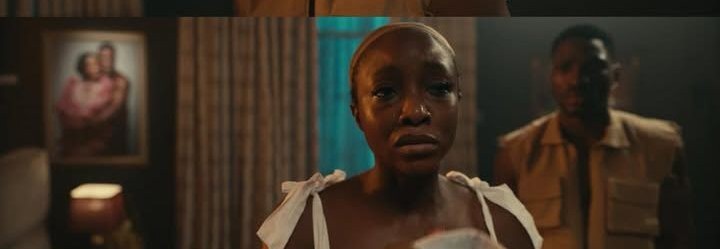
In the end, the story doesn’t just entertain, it hits a nerve. It makes you question things we’ve almost accepted as normal. Why does death suddenly become about ownership instead of responsibility? Why do we fight over what is left behind instead of protecting who is left behind?
FURTHER READING
- Pastor Bags Life Jail for Abusing Trust, Rap|ng Member’s Daughter
- FG Introduces Digital Platform for Academic Certificate Evaluation
- Retirement Relief as Tinubu Approves Lifetime Salary for Paramilitary Chiefs
Click here to watch video of the week