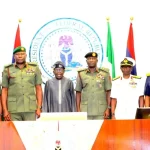
President Bola Tinubu has asked the Senate to repeal the Administration of Criminal Justice Act (ACJA) 2015 and replace it with a new version, the ACJA 2026.
Senate President Godswill Akpabio read Tinubu’s letter during plenary on Thursday and referred the bill to the Senate Committee on Rules and Business, with a four-week deadline to report back.
EDITOR’S PICKS
- What Tinubu Wants ICPC To Uncover About PFIPC, Adeyemi
- 2% of GDP ‘Missing’ or Just Unreported? Inside the IMF Controversy
The proposed law would set up an Administration of Criminal Justice Monitoring Council, a body meant to track how well courts, police, and other agencies obey the rules that govern criminal cases. For a country where court cases can drag on for years, sometimes decades, this bill is being pitched as a fix for a problem most Nigerians already know too well.
What the Bill Wants to Change
According to Tinubu’s letter, the current law has been weighed down by delays in investigation and prosecution, poor use of technology in court proceedings, weak coordination between justice institutions, and clumsy case management.
The new bill, drafted by a team of law officers, is meant to close these gaps and bring Nigeria’s criminal justice process in line with modern practice elsewhere in the world.
In simple terms, the goal is speed and accountability. The monitoring council would supervise how well institutions follow the law, while updated procedures are expected to cut down the paperwork and back-and-forth that stall cases for years.
A System Where Justice Has Long Been Delayed
Delay is not a new complaint in Nigeria’s courts.
For years, cases have stretched from a few years into a decade or more, with defendants sometimes spending longer awaiting trial than they would have spent in prison if convicted.
Corruption trials against politically exposed persons have often taken over ten years to conclude, with cases bouncing between adjournments, interlocutory appeals, and changes in prosecuting counsel. Ordinary criminal defendants, especially those without resources to hire lawyers, have often fared worse, held in custody for years without their cases being heard.
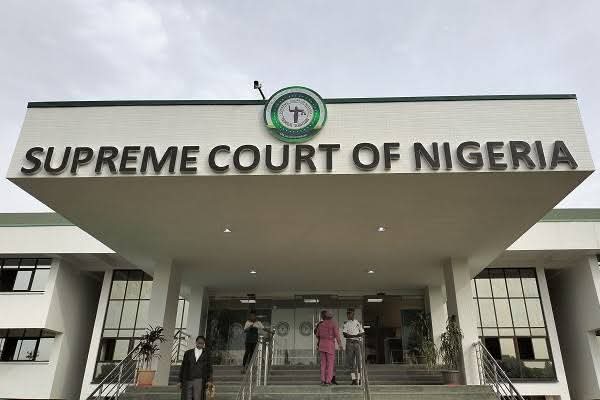
This is not just a legal inconvenience. It is a human rights concern. A justice system that keeps people locked up for years without trial, or lets cases drag on until witnesses disappear or evidence goes stale, is a system that struggles to deliver actual justice to anyone, victim or accused.
Why a Monitoring Council Matters
The idea of a monitoring council is significant because Nigeria’s justice problems have rarely been about the absence of good laws. The 2015 ACJA itself was passed with strong intentions, including timelines for filing cases and limits on how long a defendant can be held before arraignment.
But enforcement has always been the weak link. Courts, police, and prosecutors have not been consistently held to account when they ignore these timelines.
If the new council is properly funded and given real power to flag and correct failures, it could close that enforcement gap. But if it becomes another underfunded oversight body with no teeth, as has happened with similar Nigerian institutions before, the new law may end up no different from the old one in practice.
The Real Test Ahead
Passing a new law is the easy part. Nigeria’s legal history is full of well-written statutes that changed little on the ground because implementation was never taken seriously. The ACJA 2026, if passed, will only succeed if the National Assembly matches good drafting with real funding, judicial capacity, and political will to enforce it.
FURTHER READING
For now, the bill is a signal that the delay crisis in Nigeria’s courts has been acknowledged at the highest level. Whether it becomes a turning point or another entry in a long list of reforms that promised much and delivered little will depend on what happens after the ink dries on this law, not on the ceremony of passing it.
Philip Ibitoye is a Special Correspondent with EKO HOT BLOG. Click here to find daily analysis and critical insight on trending issues in Lagos and other parts of Nigeria.
Click to watch the video of the week below: