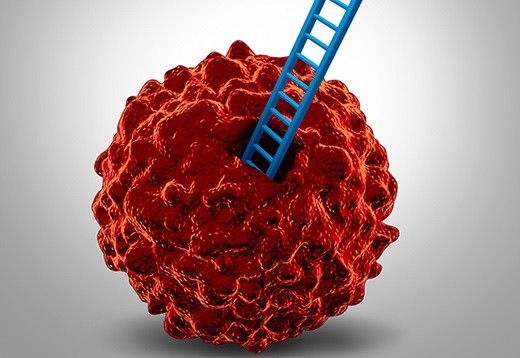
Scientists have developed a new drug that may be able to slow the growth of aggressive prostate cancer and stop it from spreading to other parts of the body.
They disclosed their discovery in a recent study published in the journal Signal Transduction and Targeted Therapy.
EDITOR’S PICKS
The drug, an antibody, was created by researchers at Umeå University in Sweden and their partners. In tests done in the lab, it stopped both tumour growth and the spread of an aggressive form of prostate cancer.
Why This Matters
Prostate cancer is one of the most common cancers in men. Most cases grow slowly and are never life-threatening. But in some men, the disease becomes aggressive and spreads beyond the prostate, usually to the lymph nodes and bones. This is the form of the disease doctors worry about most, and it is what the new drug targets.
“The new drug has been developed to prevent metastasis, and we are very pleased and proud that we have been able to identify the mechanisms that drive cancer cell growth, invasiveness, and metastatic spread,” Maréne Landström, Professor of Pathology at Umeå University’s Department of Medical Biosciences, who led the study, said.
How the Drug Works
The research team built what is known as a fully human antibody. Because it is made entirely from human proteins, it has qualities that make it a good candidate for eventually becoming a medicine that can be given to patients.
The antibody works through a mechanism the researchers had not identified before. This is significant because it suggests the drug could carry a lower risk of side effects compared to existing treatments.
Still Early Days
Despite the promising results, the drug is still far from reaching patients. It has so far only been tested in preclinical studies, meaning outside of human clinical trials.
“This is a promising step forward, but several important stages remain before the treatment can benefit patients. We still need to conduct additional safety studies, and the treatment must be approved by regulatory authorities in Europe or the United States,” Landström said.
Getting a new drug from the laboratory to the pharmacy shelf is a long process that can take years, even after early results look good. Safety trials in humans, larger clinical trials, and regulatory approval all still lie ahead.
Years of Work, Many Partners
The project has been running for several years and involved contributions from a number of researchers, institutions and funders.
Specialists at the SciLifeLab Drug Discovery and Development Platform helped create the antibody, while the Umeå Biotech Incubator supported the wider research effort. Funding from MetaCurUm Biotech AB, a Umeå-based biotechnology company, was also essential to the project.
The study additionally received funding from the Knut and Alice Wallenberg Foundation, the Erling Persson Foundation, the Kempe Foundations, the Swedish Research Council, the Swedish Cancer Society, ALF funding, the Swedish Prostate Cancer Federation, the Cancer Research Foundation in Northern Sweden, and the Faculty of Medicine at Umeå University.
What’s Next
The researchers now want to find out if the same approach could work against other solid tumours, not just prostate cancer.
“The next step is to investigate whether this treatment can also be used against other types of solid tumours. We hope that our work will ultimately contribute to the development of a new cancer drug that can benefit patients,” Landström said.
FURTHER READING
If future trials go well, the drug could eventually offer a new option for treating advanced prostate cancer, a disease that remains a major cause of death among men worldwide.
Philip Ibitoye is a Special Correspondent with EKO HOT BLOG. Click here to find daily analysis and critical insight on trending issues in Lagos and other parts of Nigeria.
Click to watch the video of the week below: