- NIMR Unveils Biobank with 400,000 Samples to Boost Disease Research
- Obafunwa explained that NIMR is not just focused on developing treatments, but also on generating reliable data
- Stressed the need to build local expertise in advanced fields like Genomics
The Nigerian Institute of Medical Research has revealed the huge potential of its biobank, which currently holds over 400,000 biological samples, as a major tool for advancing disease research tailored to Nigeria’s unique health challenges.
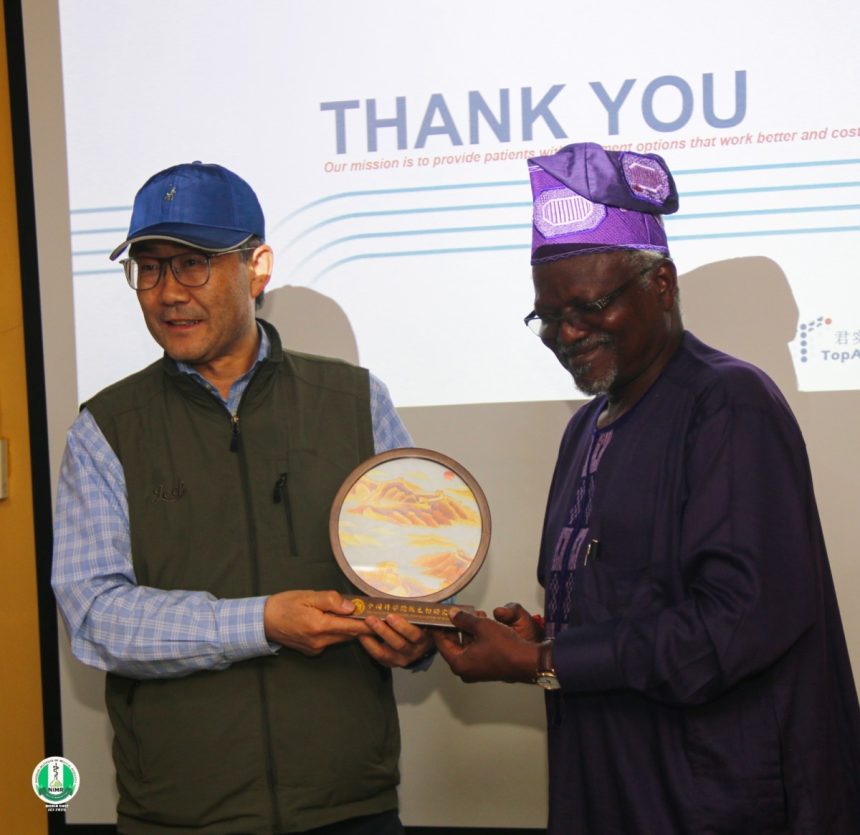
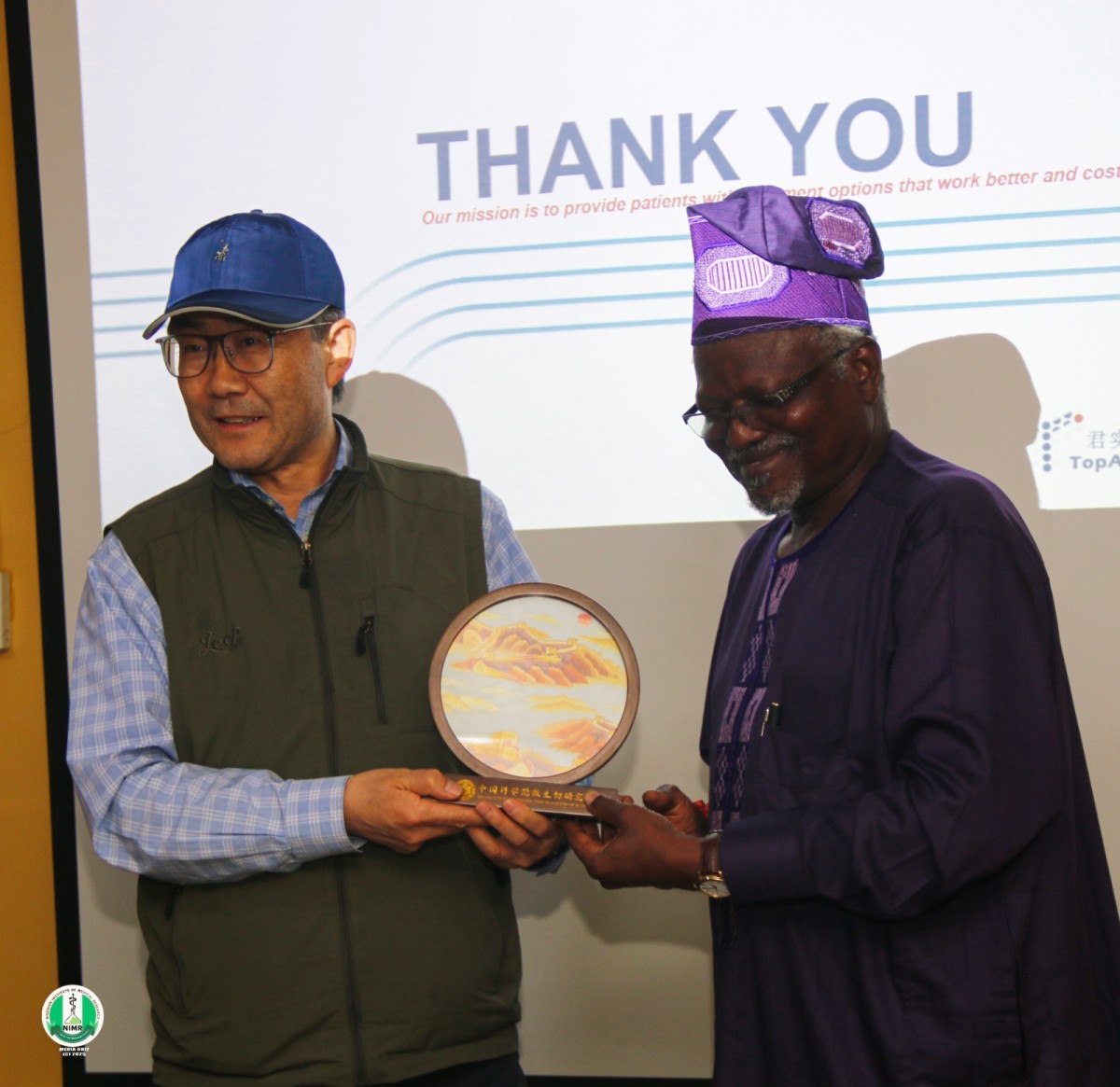
Eko Hot Blog reports that the Director-General of the institute, John Oladapo Obafunwa, made this known during a recent meeting with a Chinese scientific delegation, where he outlined efforts to reposition the institute as a centre for data-driven and locally relevant research.
EDITOR’S PICK
- FG Pushes Investment-Driven Growth at IsDB Event in Lagos
- Police Arrest Suspect Over Deadly Robbery Incident in Kaduna
- LAWMA Boosts Workers’ Safety with PPE Training Programme
According to him, the biobank built over years of research and partnerships offers a rare opportunity to better understand diseases common in Nigeria and improve treatment outcomes.
“If properly managed, it can provide insights that are specific to our environment and help us respond more effectively to health challenges,” he said.
Obafunwa explained that NIMR is not just focused on developing treatments, but also on generating reliable data that can guide public health decisions and scientific innovation.
However, he noted that the full potential of the biobank is yet to be realised due to gaps in technical capacity, data systems, and advanced analytical tools.
He called for stronger collaborations, especially in areas like technology transfer, training, and infrastructure development, to help Nigerian scientists compete globally.
The NIMR boss also recalled the institute’s frontline role during the COVID-19 pandemic, particularly in testing and national response efforts.
Despite its progress, he pointed out ongoing challenges such as limited infrastructure, lack of a fully centralised research facility, and delays in funding for laboratory expansion.
He also stressed the need to build local expertise in advanced fields like Genomics, noting that dependence on foreign facilities remains a major limitation.
The meeting ended with both NIMR and the visiting Chinese team exploring opportunities for joint research and long-term collaboration aimed at strengthening Nigeria’s health research ecosystem.