The recent wave of defections by opposition governors to Nigeria’s ruling All Progressives Congress (APC) has reignited debate about the actual influence state governors wield over electoral outcomes.
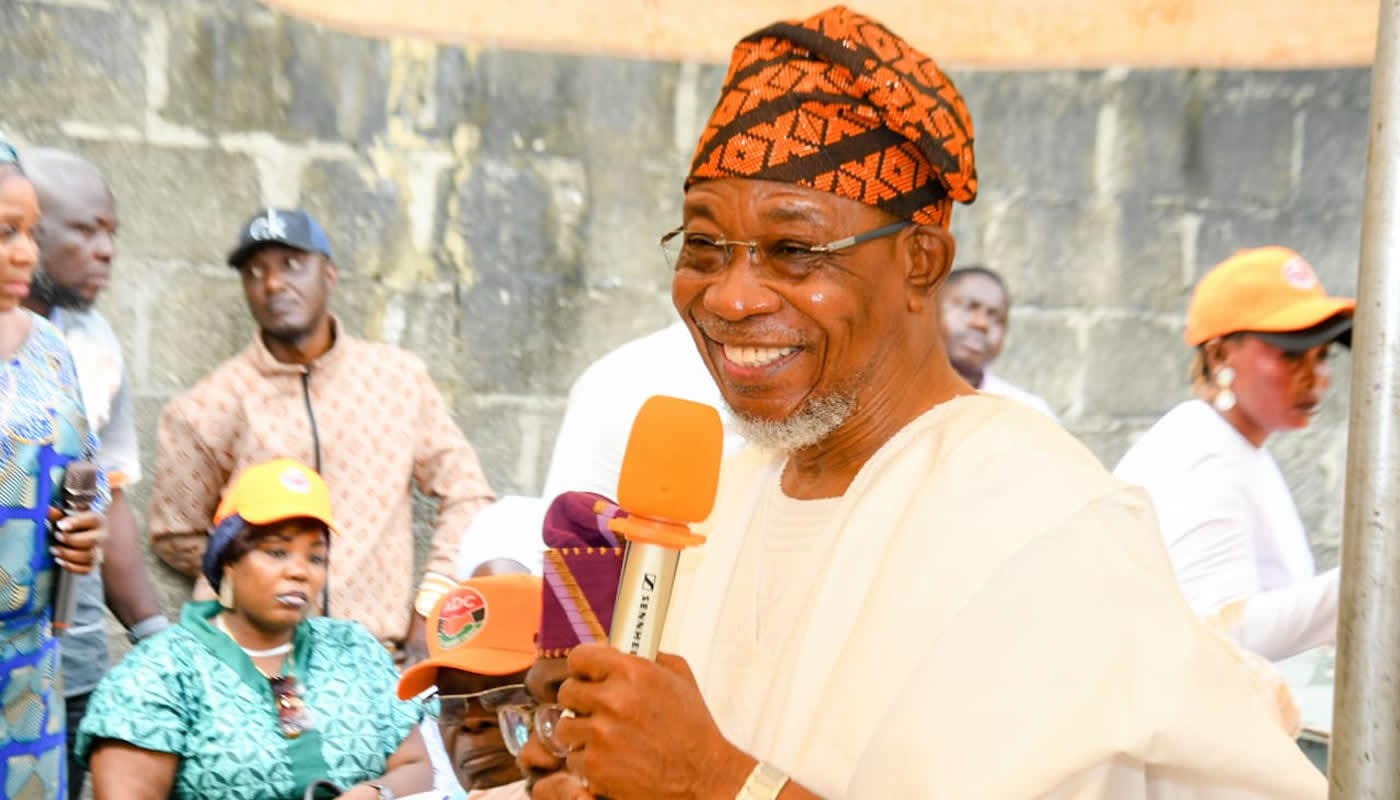
Rauf Aregbesola, national secretary of the African Democratic Congress, has challenged the assumption that governors can deliver votes against the will of the electorate, citing evidence from the 2023 presidential election.
EDITOR’S PICKS
Speaking in Abuja, Aregbesola argued that recent statistics do not support the belief that governors control electoral outcomes. His central thesis: the people, not governors, ultimately determine election results.
The Lagos Case Study
The most striking example comes from Lagos State. Despite being President Bola Tinubu’s home state and political stronghold for over two decades, Peter Obi of the Labour Party won Lagos by nearly 10,000 votes. This occurred even though the APC controlled the state government as well as the local government and had access to significant resources.
Aregbesola noted that despite controlling all south-west states except one, the APC’s maximum performance in the region was approximately 55 per cent. The Lagos outcome challenged the narrative of political ‘godfatherism’ — the belief that established political figures can control voting patterns in their territories.
The South-East Pattern
The south-east zone presents an even more dramatic case. The APC secured only 5.8 per cent of total votes from the south-east zone, despite institutional advantages.
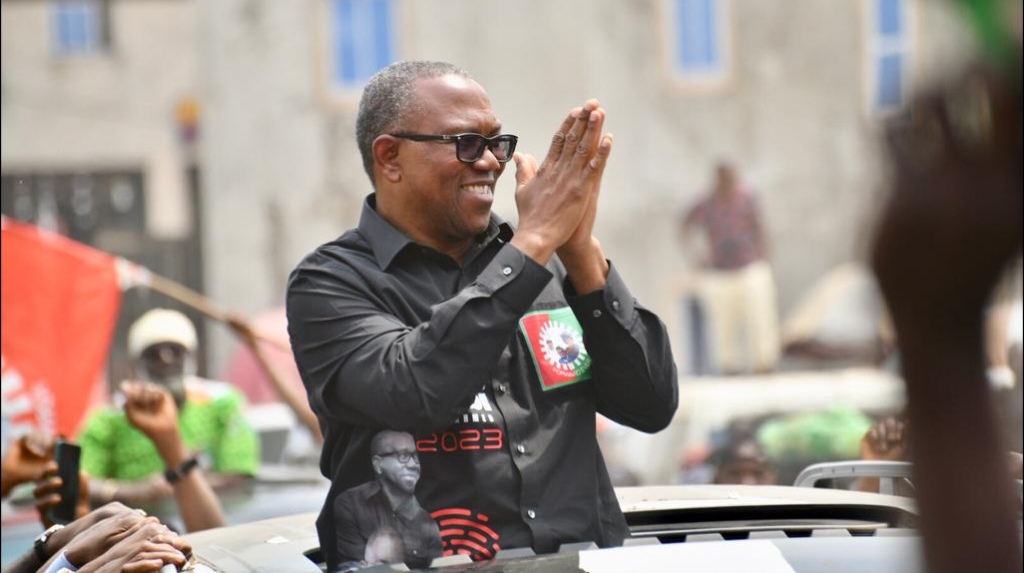
Obi dominated the region despite his party controlling none of the states, demonstrating that voter preferences can transcend party machinery.
This pattern suggests that candidate appeal can override institutional power held by governing parties.
Changing Voter Dynamics
The 2023 elections showed voters’ readiness to oppose incumbents, with decisions linked to candidate performance rather than party affiliation. Obi’s candidacy attracted young and urban voters dissatisfied with traditional politics.
The Independent National Electoral Commission (INEC) added nearly 10 million people to voter rolls before the 2023 elections, most younger than 35, suggesting a new generation less susceptible to traditional political influence.
However, Aregbesola’s argument assumes free and fair electoral processes. He emphasised that what is required from those managing elections is commitment to transparent procedures.
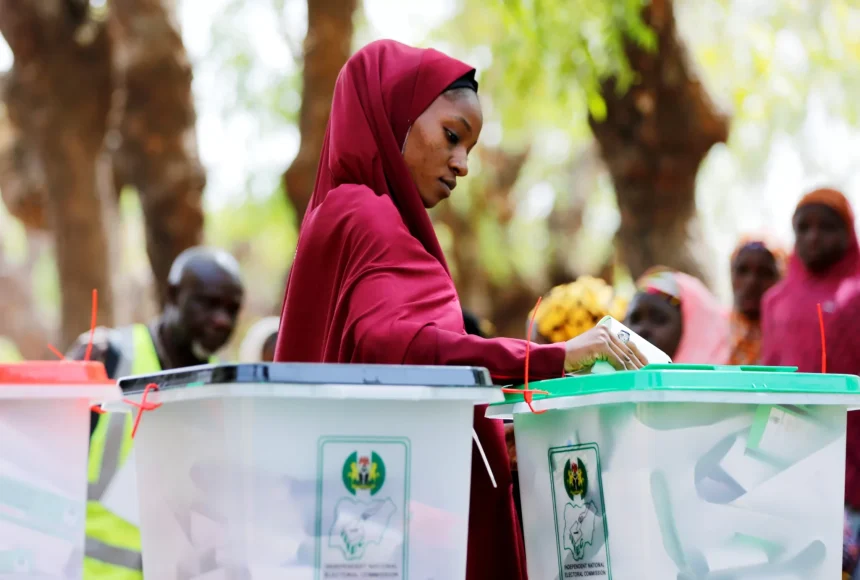
This caveat is crucial. Multiple reports documented irregularities during the 2023 elections, including delayed starts to voting, technical failures with result transmission systems, and allegations of voter suppression. Only 24.9 million votes were recorded from 94 million registered voters — a record low turnout that raises questions about the electoral environment.
Electoral credibility remains a significant variable. When electoral processes are compromised, the relationship between governance control and electoral outcomes becomes difficult to assess objectively.
Implications for 2027
With multiple PDP governors defecting to the APC, the ruling party appears to be banking on gubernatorial influence to deliver the 2027 elections.
However, if Aregbesola’s analysis holds, these defections may not translate into electoral dominance. The 2023 results suggest that in credible elections, voters increasingly choose based on candidate quality rather than gubernatorial endorsements.
The evidence from Nigeria’s 2023 presidential election challenges conventional wisdom about governors’ electoral influence. Whilst state control provides advantages in resources and organisation, it does not guarantee electoral success when voters express alternative preferences.
The critical factor, as Aregbesola emphasises, is the integrity of the electoral process itself. In genuinely free and fair elections, the data suggests that governors’ influence may indeed be overrated. However, in contexts where electoral management is compromised, incumbent advantages remain significant.
FURTHER READING
As Nigeria approaches the 2027 elections, the test will be whether INEC can deliver the transparent, credible processes that allow voters’ genuine preferences to prevail over institutional power.
Philip Ibitoye is a Special Correspondent with EKO HOT BLOG. Click here to find daily analysis and critical insight on trending issues in Lagos and other parts of Nigeria.
Click to watch the video of the week below: