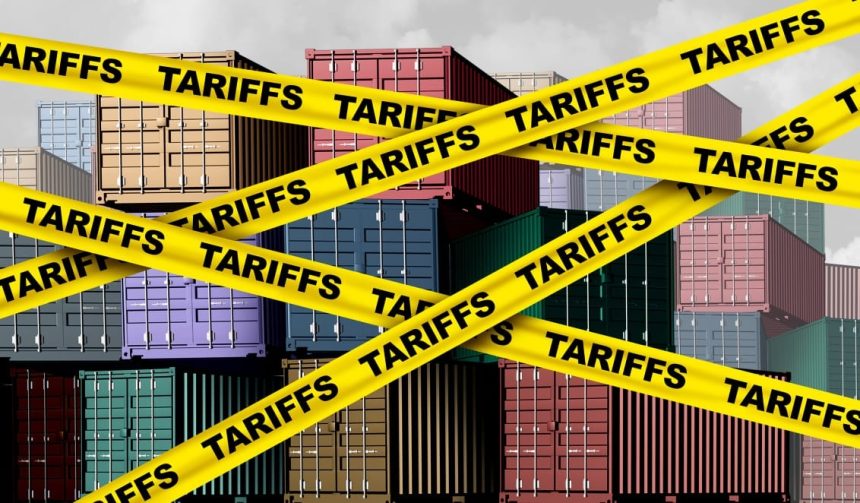
The federal government has approved a new set of fiscal policy measures that will reduce import duties on over 30 categories of goods, spanning food, construction materials, industrial equipment, and healthcare items.
The changes, contained in a circular dated April 1, 2026, and signed by Minister of Finance and Coordinating Minister of the Economy, Wale Edun, according to TheCable, formally supersede the 2023 Fiscal Policy Measures and introduce what the government describes as a national list of 127 tariff lines designed to stimulate growth in critical sectors.
EDITOR’S PICKS
Importers who had already opened Form ‘M’ before April 1 will be allowed a 90-day grace period to clear their goods at the old rates. A new excise duty regime and a green tax surcharge will take effect from July 1, 2026.
What Is Being Cut
The reductions span several sectors, with food commodities featuring prominently.
Rice, a staple in nearly every Nigerian household, will now attract an import duty of 47.5 percent, down from 70 percent. Broken rice falls to 30 percent from the same 70 percent ceiling. Crude palm oil drops from 35 percent to 28.75 percent. Raw cane sugar, in its various forms, comes down from 70 percent to between 55 and 57.5 percent. Refined salt for human consumption also falls from 70 percent to 55 percent.
In the construction sector, zinc-coated steel sheets, aluminium-coated steel coils, hot-rolled deformed bars, and steel rods all drop from 45 percent to 35 percent. Unglazed ceramic tiles fall from 40 to 35 percent, while glazed tiles come down from 55 to 46.25 percent, providing modest relief to a building materials market that has been punished by currency depreciation.
Industrial and manufacturing machinery, agriculture equipment, cargo ships above 500 tonnes, and railway locomotives in semi- or completely knocked-down form now attract zero duty, reduced from 5 percent. Modular surgical operating theatres drop sharply from 20 percent to 5 percent, and breathing appliances and gas masks are now duty-free.
Passenger motor vehicles, including four-wheel drives and station wagons, now carry a total effective tariff of 40 percent, cut from 70 percent in the 2015 FPM. Vehicles below 2,000cc engine capacity, mass transit buses, and electric vehicles are specifically excluded from the incoming green tax surcharge.
What It Means for Nigerians
The timing of these reductions is significant. Nigeria has spent the past two years absorbing the compounding effects of fuel subsidy removal, naira devaluation, and imported inflation. The cost of food, building materials, and manufactured goods has climbed steadily, squeezing households and discouraging investment.
Tariff reductions on food items like rice, palm oil, and sugar will not automatically translate to lower prices at the market: import duty is only one variable in a supply chain that also includes freight costs, port charges, distribution margins, and the exchange rate at which importers access dollars.
But the reductions do lower a structural cost that has made importing these goods increasingly expensive, and that pressure has reliably passed through to consumers.
The steeper signal is in the zero-duty treatment now extended to manufacturing and agricultural machinery. If implemented consistently, this could reduce the capital cost of setting up or expanding production facilities, an incentive for domestic manufacturers who have struggled to compete while equipment importation remained taxed.
The duty-free status for cargo ships above 500 tonnes similarly suggests an intent to ease logistics costs for bulk import and export trade.
The reduction in vehicle tariffs from 70 to 40 percent is notable but its impact will be filtered by the wider affordability situation. At current exchange rates, even a 40 percent tariff on a foreign-assembled vehicle keeps most Nigerians priced out of the formal car market.
FURTHER READING
What the 2026 FPM represents, ultimately, is a calibration. The government is adjusting levers available to it within a difficult macroeconomic environment. Whether those adjustments produce meaningful relief will depend largely on implementation, exchange rate stability, and whether the private sector responds to the signals being sent.
Philip Ibitoye is a Special Correspondent with EKO HOT BLOG. Click here to find daily analysis and critical insight on trending issues in Lagos and other parts of Nigeria.
Click to watch the video of the week below: