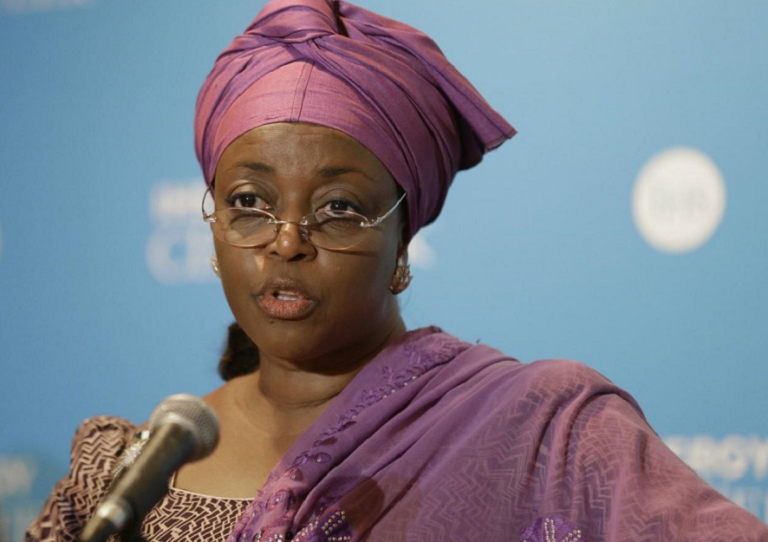
A London jury acquitted former Minister of Petroleum Resources, Diezani Alison-Madueke, of all six bribery charges on Wednesday, ending an 11-year corruption investigation by British authorities.
The Southwark Crown Court jury cleared her of five counts of accepting bribes and one count of conspiracy to commit bribery, after more than 46 hours of deliberation.
EDITOR’S PICKS
She had been accused of receiving “a life of luxury” in London from oil and gas executives seeking contracts in Nigeria. She denied all the allegations and told the court she had no real influence over how government contracts were awarded.
Two co-defendants, oil executive Olatimbo Ayinde and her brother, Doye Agama, a clergyman, were also acquitted on related charges.
Reuters described the verdict as a setback for British prosecutors, who had pursued the case since shortly after she left office in 2015.
The Nigerian Cases Still Standing
The UK trial is separate from cases against her in Nigeria. The EFCC charged her in 2018 with conspiracy, official corruption and money laundering, in a case marked FHC/ABJ/CR/208/2018. The commission has also said it is pursuing a separate $115 million case tied to alleged INEC bribery.
Beyond the criminal charges, there is an unresolved fight over assets. The EFCC has secured the forfeiture of more than 80 properties from her, worth roughly $80 million, alongside $153 million in cash.
She is challenging those forfeitures in court, arguing she was never properly served notice before the orders were made. That suit, filed in 2023, was still before the Federal High Court in Abuja as of this year.
Why a Return Looks Unlikely
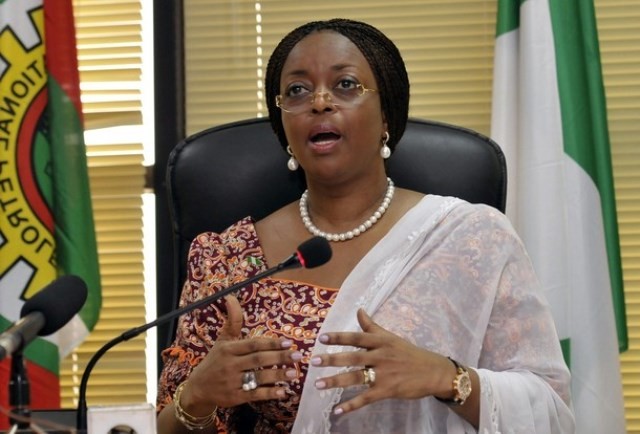
Alison-Madueke has not set foot in Nigeria since she left office in May 2015. She has fought her Nigerian asset cases entirely from London, instructing lawyers to appear on her behalf rather than appearing herself.
The EFCC has previously said it sought her extradition from the UK, without success. Her acquittal removes one obstacle the UK might have cited for resisting such a request, but it changes nothing about Nigeria’s own charges against her, which remain active regardless of the London verdict.
Speaking after the verdict, she described the past 11 years as traumatic for herself and her family, including her elderly mother in Port Harcourt. Her remarks focused on relief at the outcome, not on any plan to travel home.
What Happens Next
Her legal team will likely argue that the UK acquittal undercuts the basis for Nigeria’s own corruption case, since both stem from the same underlying allegations about her time as petroleum minister. The EFCC is expected to maintain that its case and forfeiture orders rest on Nigerian evidence and Nigerian court findings, independent of the UK trial’s outcome.
For now, nothing obliges her to return. The asset forfeiture cases can proceed in her absence, as they have for years, through lawyers. The criminal charges in Abuja remain on file, but Nigeria’s only practical route to bring her home is extradition, a process that has stalled for over a decade.
FURTHER READING
Unless the federal government renews efforts to compel her return, or she chooses voluntarily to face trial at home, Alison-Madueke is likely to remain in London, watching events in Nigeria from a distance, just as she has done since 2015.
Philip Ibitoye is a Special Correspondent with EKO HOT BLOG. Click here to find daily analysis and critical insight on trending issues in Lagos and other parts of Nigeria.
Click to watch the video of the week below: