- Lagos Trains Teachers in AI to Improve Students’ Learning Experience
- The goal is to make learning more interactive, practical, and relevant in today’s tech-driven world
- Reassured educators that AI is not replacing them but helping them become more effective
Students in Lagos classrooms are set to benefit from more engaging and modern learning methods as the state government trains teachers in digital tools and Artificial Intelligence (AI).
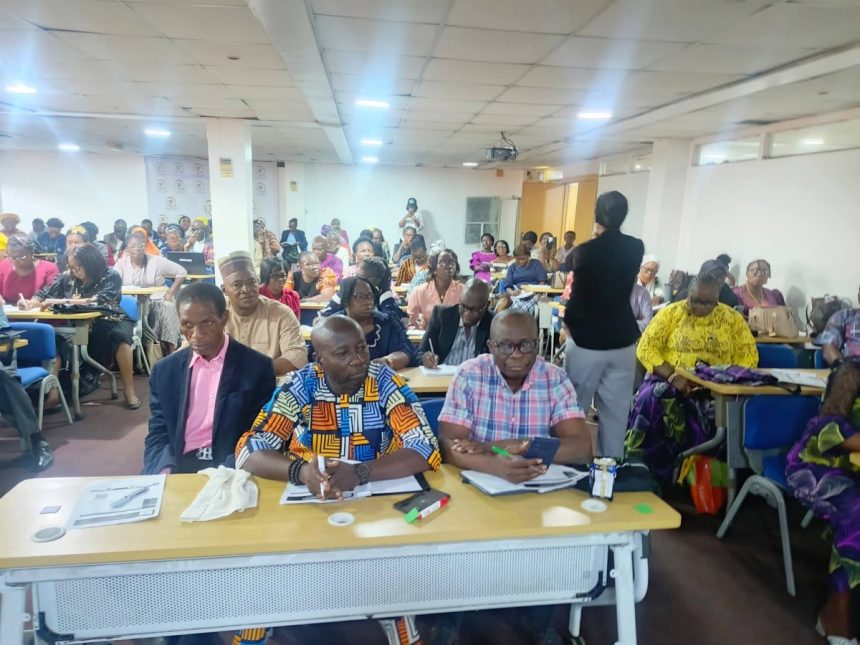
Eko Hot Blog reports that the Lagos State Government, through its Teaching Service Commission, has launched a 3-day training programme designed to help teachers improve how they teach and connect with students.
EDITOR’S PICK
- Viral Video Sparks Action as Lagos Rescues Neglected Child
- Big Head, Bigger Pressure: Inside Amupitan’s INEC Assignment
- NIMR Crisis: FG Tenure Policy Behind Directors’ Exit, Ongoing Strike
The goal is simple: make learning more interactive, practical, and relevant in today’s tech-driven world.
Speaking at the opening, Commissioner for Basic and Secondary Education, Mr. Tolani Ali-Balogun, said the training comes at a crucial time when education is changing rapidly. He encouraged teachers to embrace new methods that make students active participants in their learning, rather than passive listeners.
For many teachers, the training is more than just learning how to use digital tools—it’s about changing how classrooms work. Instead of traditional teaching styles, the focus is now on creativity, problem-solving, and student engagement.
Chairman of the Teaching Service Commission, Mrs. Victoria Peregrino, explained that the knowledge gained will go beyond the participants. Teachers are expected to share what they learn with colleagues, creating a ripple effect that will reach more classrooms and ultimately benefit thousands of students.
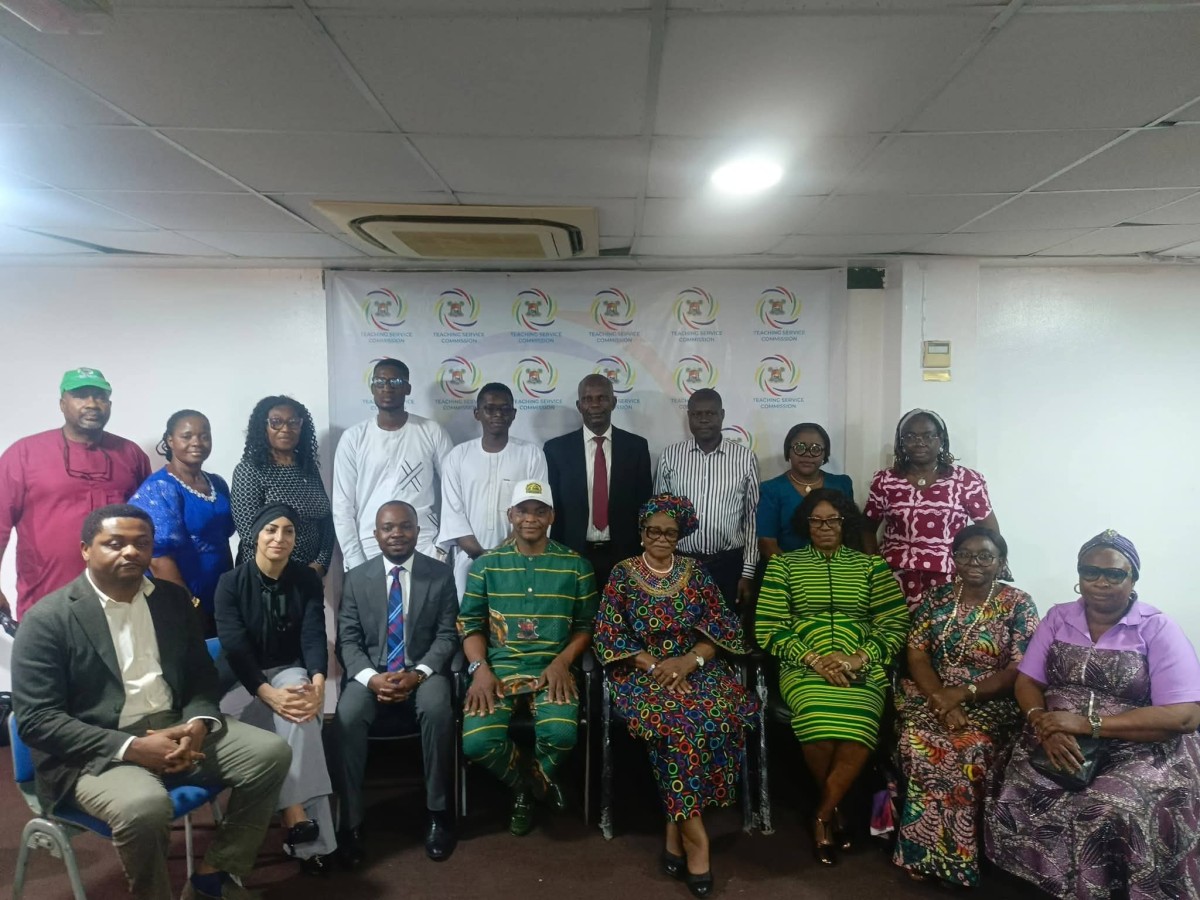
She also reassured educators that AI is not replacing them but helping them become more effective in delivering lessons and supporting students.
With initiatives like this, the Lagos State Government hopes to raise a generation of students who are not only academically sound but also digitally skilled, adaptable, and ready for the future.