- Petrol price rises to nearly ₦1,400 per litre nationwide
- Transport fares and business costs surge amid fuel hike
- Nigerians face worsening hardship as cost of living increases
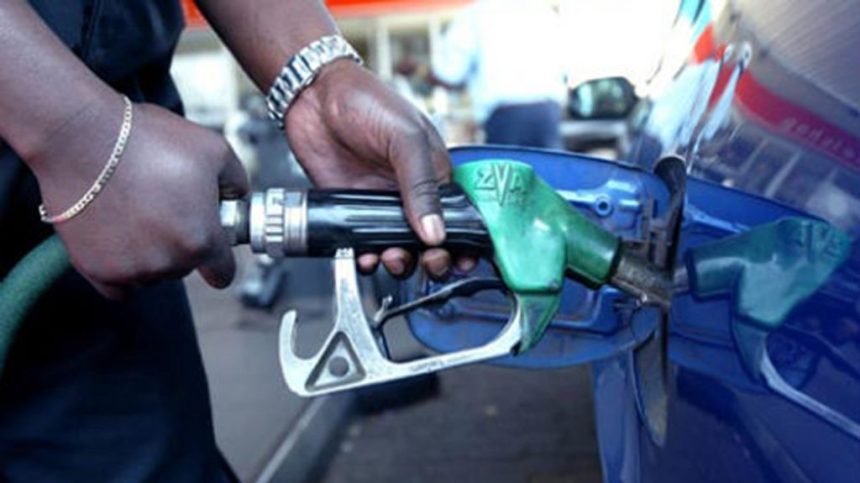
The pump price of Premium Motor Spirit (PMS), also known as petrol, has surged to nearly ₦1,400 per litre in several parts of Nigeria, worsening the financial strain on households and businesses.
The latest increase has driven up transport fares, raised operational costs for small businesses, and further reduced disposable income, deepening the cost-of-living crisis across the country.
EDITOR’S PICKS
- Judge Frees 37 Inmates Over Prolonged Detention in Akwa Ibom
- Trump Threatens Iran Over Energy Attacks
- Tinubu Excludes Kemi Badenoch from UK State Visit Itinerary
EKO HOT BLOG reports that industry sources linked the spike to rising global crude oil prices, which climbed close to $120 per barrel last week before easing to about $112, amid tensions in the Middle East. The adjustment was also influenced by a price review by the Dangote Refinery, which raised its gantry price from ₦1,175 to ₦1,245 per litre.
Following the adjustment, marketers increased pump prices to between ₦1,310 and ₦1,400 per litre, depending on location and supply conditions, highlighting volatility in the deregulated market.
In Lagos, fuel prices ranged between ₦1,320 and ₦1,330 per litre at most stations, with some outlets briefly selling at ₦1,380. Stations operated by Nigerian National Petroleum Company Limited also adjusted prices upward multiple times within days.
Commercial drivers say the increase has sharply cut their earnings. A driver, Toheeb Sulaimon, said he now spends significantly more on fuel while carrying fewer passengers. Another driver, Maduka Chibo, noted that his daily fuel cost has doubled, forcing operators to raise fares despite declining patronage.
In Kano, petrol sold as high as ₦1,390 per litre, with independent marketers raising prices due to higher logistics costs. Residents reported steep increases in transport fares, with some trips rising far above usual rates.
In Abuja, pump prices climbed to between ₦1,361 and ₦1,370 per litre, leaving residents struggling to plan daily expenses. Similar trends were observed in Ilorin, where fuel sold between ₦1,295 and ₦1,343 per litre.
In the South-South, including Port Harcourt and Yenagoa, prices ranged from ₦1,300 to ₦1,400 at official stations, while black market rates climbed to about ₦1,800 per litre.
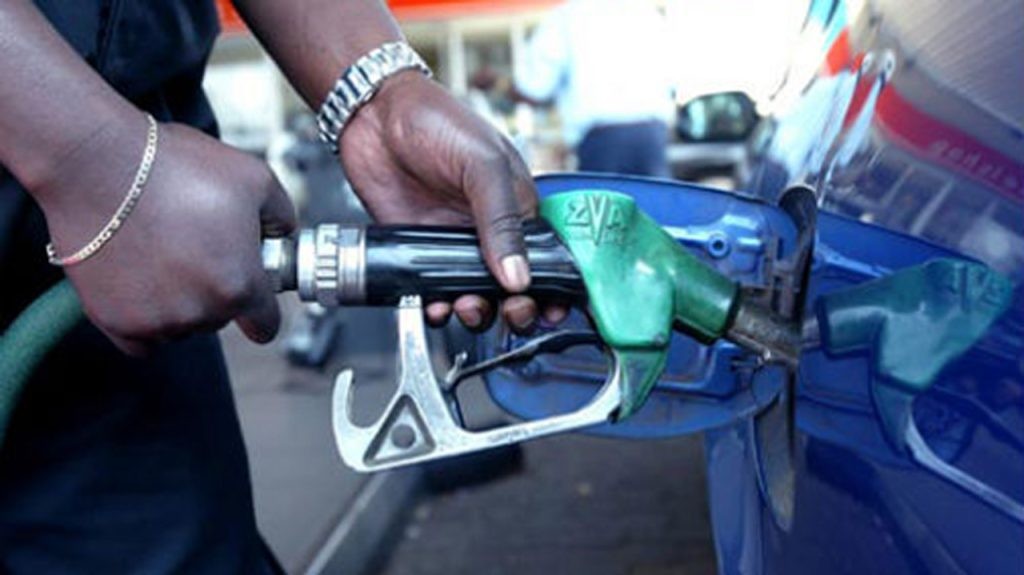
The rising fuel cost has triggered sharp increases in transport fares nationwide, with commuters and businesses warning that the situation is becoming increasingly unsustainable.